Recognising kidney health warning signs early matters enormously. Chronic kidney disease often causes no symptoms at all until it’s reached an advanced stage. The NHS notes that the body can usually cope with a significant reduction in kidney function before anything feels wrong. This means doctors frequently discover kidney disease by accident, through a routine blood or urine test done for an entirely different reason.
This article covers the symptoms worth watching for, who faces higher risk, and why catching kidney problems early makes such a meaningful difference to long-term health.
For more on how blood pressure connects to broader cardiovascular and organ health, read our guide on Blood Pressure Numbers: What They Mean.
Why Kidney Health Warning Signs Are So Easy to Miss
Chronic kidney disease develops gradually in most people. The kidneys have a remarkable capacity to compensate for reduced function long before symptoms appear. It’s estimated that about 1 in 5 men and 1 in 4 women aged 65 to 74 have some degree of CKD, yet many are entirely unaware of it.
This is exactly why routine screening matters more than waiting for symptoms. Finding kidney disease at an early stage means medicine and regular monitoring can often help stop it from becoming more advanced. This makes early detection genuinely valuable rather than just a formality.
Kidney Health Warning Signs to Watch For
When symptoms do develop, they often reflect the kidneys’ reduced ability to filter waste and balance fluid in the body.
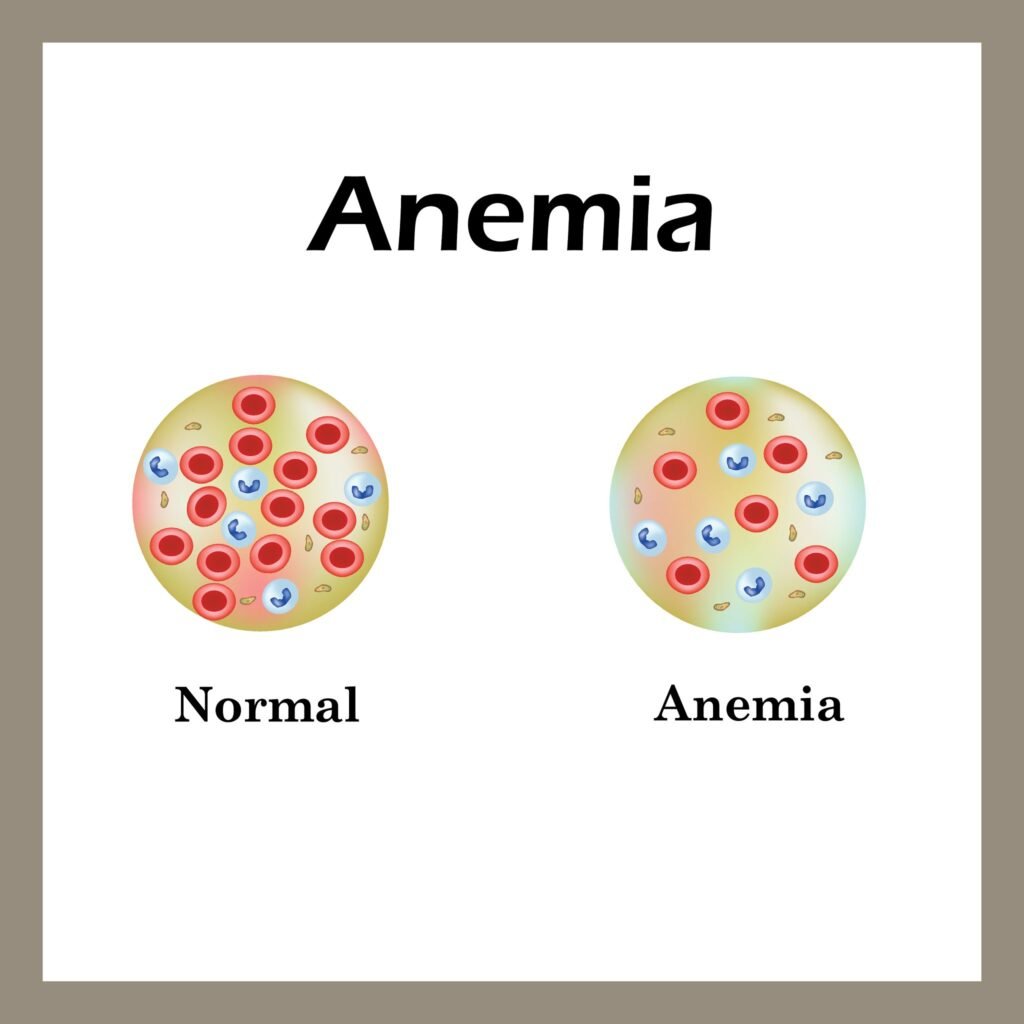
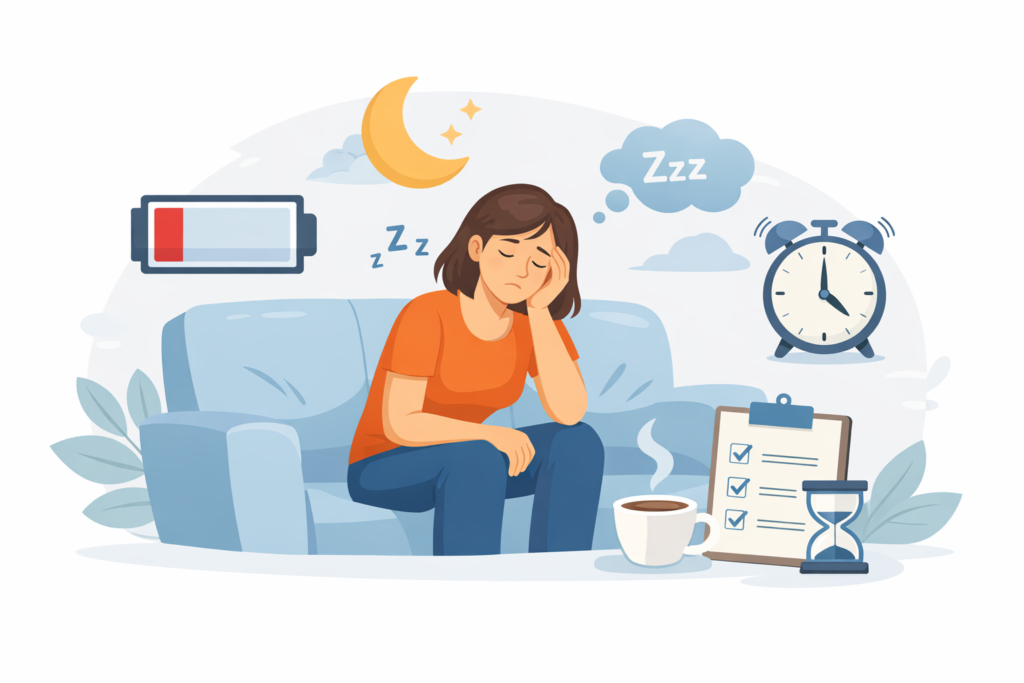
- Persistent fatigue: healthy kidneys produce a hormone called erythropoietin, which helps make red blood cells. Damaged kidneys can produce less of it, leading to anaemia and a tiredness that doesn’t improve with rest.
- Swelling in the legs, ankles, or feet: reduced kidney function can cause fluid to build up in the body, most noticeably in the lower legs.
- Changes in urination: this can include foamy urine, needing to urinate more often, particularly at night, or noticeably less urine than usual.
- Loss of appetite or nausea: as waste products build up in the bloodstream, they can affect appetite and cause a persistent feeling of being unwell.
- Difficulty concentrating: some people describe a general mental fog or difficulty focusing, which can develop as kidney function declines.
- Persistent itching: a buildup of waste products in the blood can cause itching that doesn’t have an obvious skin-related cause.
- Muscle cramps: imbalances in the body’s electrolytes, which healthy kidneys help regulate, can contribute to cramping, particularly at night.
These symptoms tend to appear later in the condition’s progression. That’s exactly why they shouldn’t be the only thing prompting a conversation with your doctor.
Who Faces Higher Risk for Kidney Health Problems
Certain factors significantly increase the likelihood of developing chronic kidney disease. Knowing where you stand can help guide whether earlier screening makes sense.
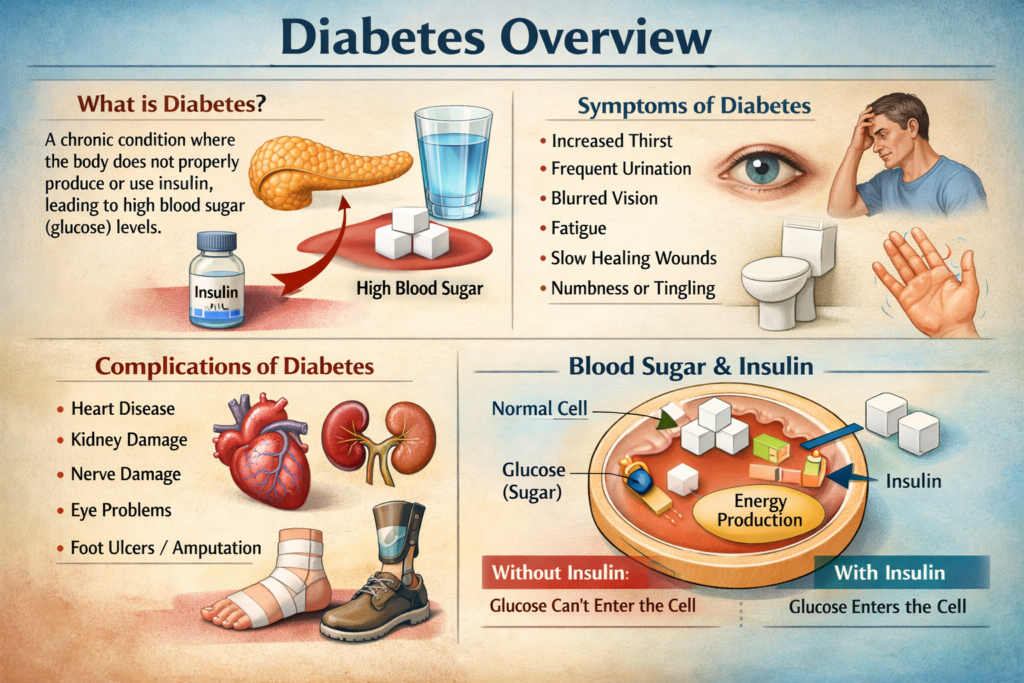
- Diabetes: high blood sugar over time can damage the small blood vessels in the kidneys, making diabetes one of the leading causes of kidney disease. Doctors typically advise people with diabetes to have kidney function tested annually.
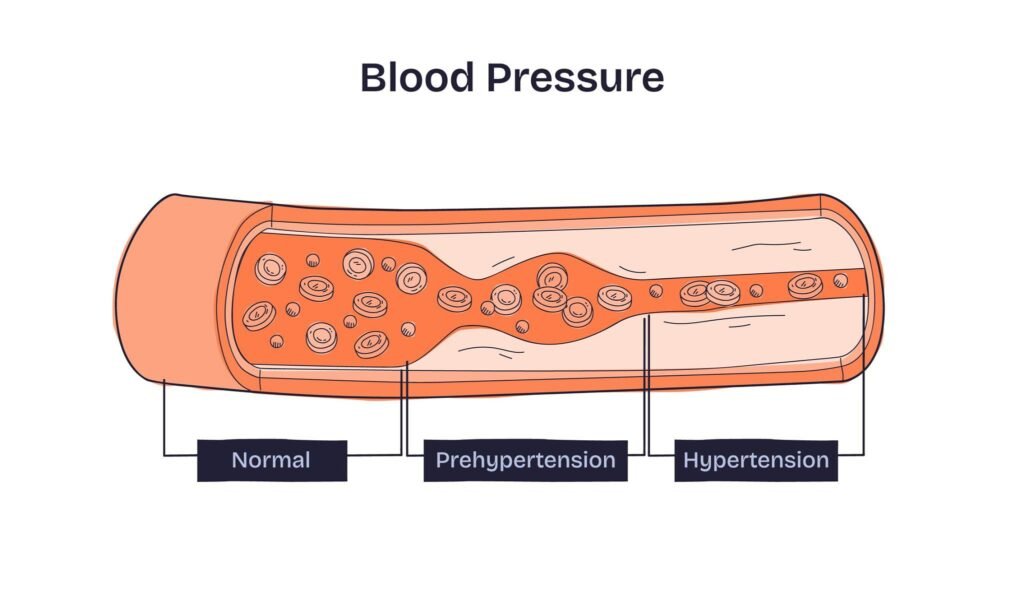
- High blood pressure: sustained high blood pressure puts ongoing strain on the kidneys’ delicate filtering structures.
- Age: risk rises steadily with age, particularly from the mid-sixties onward.
- Ethnicity: the NHS notes that kidney disease is more common in people who are Black or of South Asian origin.
- Family history: having a close relative with kidney disease raises your own risk, particularly for certain inherited conditions like polycystic kidney disease.
- Smoking: smoking increases cardiovascular disease risk broadly, and it can also worsen existing kidney problems.
- Regular use of certain painkillers: frequent, long-term use of medications like ibuprofen or other NSAIDs can affect kidney function over time.
Managing blood sugar well is one of the most protective steps available for kidney health specifically. Our guide on Prediabetes Explained: Can You Prevent Type 2 Diabetes? covers this connection in more depth.
How Kidney Health Is Checked
Kidney function is assessed through simple blood and urine tests, not anything invasive. A blood test measures a substance called creatinine to estimate how well your kidneys are filtering waste. A urine test checks for protein, which shouldn’t normally be present in significant amounts.
If you have diabetes, high blood pressure, or another condition that raises kidney disease risk, regular testing is typically built into your existing care rather than requiring a separate appointment. If you’re unsure whether you’re due for kidney function testing, it’s worth asking your GP directly.
Read more to Know exactly when a persistent cough is serious.
Protecting Kidney Health Going Forward
Several lifestyle factors genuinely support kidney health, particularly for people with elevated risk.
- managing blood pressure and blood sugar consistently, since these are the two leading causes of kidney damage
- staying well hydrated, without overdoing it, since both dehydration and excessive fluid intake can strain the kidneys
- reducing salt intake, which directly supports healthy blood pressure
- avoiding regular, unsupervised use of NSAID painkillers where possible
- quitting smoking, which benefits both cardiovascular and kidney health together
The NHS guide to chronic kidney disease symptoms provides further detail on diagnosis, staging, and treatment options.
Key Takeaways
• Kidney health warning signs often don’t appear until kidney disease has already progressed, making routine testing more reliable than waiting for symptoms.
- Fatigue, swelling, changes in urination, and persistent itching are among the more noticeable signs when symptoms do develop.
- Diabetes and high blood pressure are the two leading causes of chronic kidney disease, making regular monitoring especially important for people with either condition.
- Kidney function is assessed through simple blood and urine tests, not invasive procedures.
- Managing blood pressure and blood sugar, staying appropriately hydrated, and avoiding regular NSAID use all support long-term kidney health.
Final Thoughts
Understanding kidney health warning signs matters most because the condition is so often silent until it isn’t. By the time symptoms become obvious, kidney function has frequently already declined significantly. This makes routine screening, particularly for people with diabetes, high blood pressure, or a family history, far more valuable than watching for symptoms alone.
If you fall into a higher-risk group and haven’t discussed kidney testing with your doctor, that’s a simple, low-effort conversation worth having. Early detection genuinely changes the outlook, and a blood test is a small step toward protecting a system that quietly does an enormous amount of work.
Don’t wait for symptoms. Ask about the test.
Medical Disclaimer: The information on this page is provided for educational and informational purposes only and is not intended as medical advice. It should not replace consultation with a qualified healthcare professional. For full details, please read our Disclaimer.