Prediabetes is one of the most common and most overlooked health conditions in the world. An estimated 98 million adults in the United States alone have prediabetes. More than 80 percent of them do not know. In the UK, Diabetes UK estimates that approximately 7 million people have prediabetes, with millions more undiagnosed. The condition produces no obvious symptoms. Blood sugar sits elevated — but not yet high enough to meet the threshold for type 2 diabetes. In that gap between the two lies one of the most important health opportunities most people never take.
Prediabetes is not inevitable progress toward type 2 diabetes. It is a window for intervention — and that window is wide. The landmark Diabetes Prevention Program trial found a 58 percent reduction in the risk of developing type 2 diabetes among adults with prediabetes who engaged in lifestyle intervention. That figure is significant. It means lifestyle change is more effective at preventing type 2 diabetes progression than the most commonly used pharmaceutical alternative, metformin, which produced a 31 percent reduction in the same trial.
This article explains what prediabetes is, how it is diagnosed, why it matters, and exactly what the most current evidence says about preventing its progression to type 2 diabetes.
To understand how blood sugar connects to inflammation and metabolic health more broadly, read our guide on Inflammation 101: How to Know if You Have It and What to Eat Next.
What Is Prediabetes?
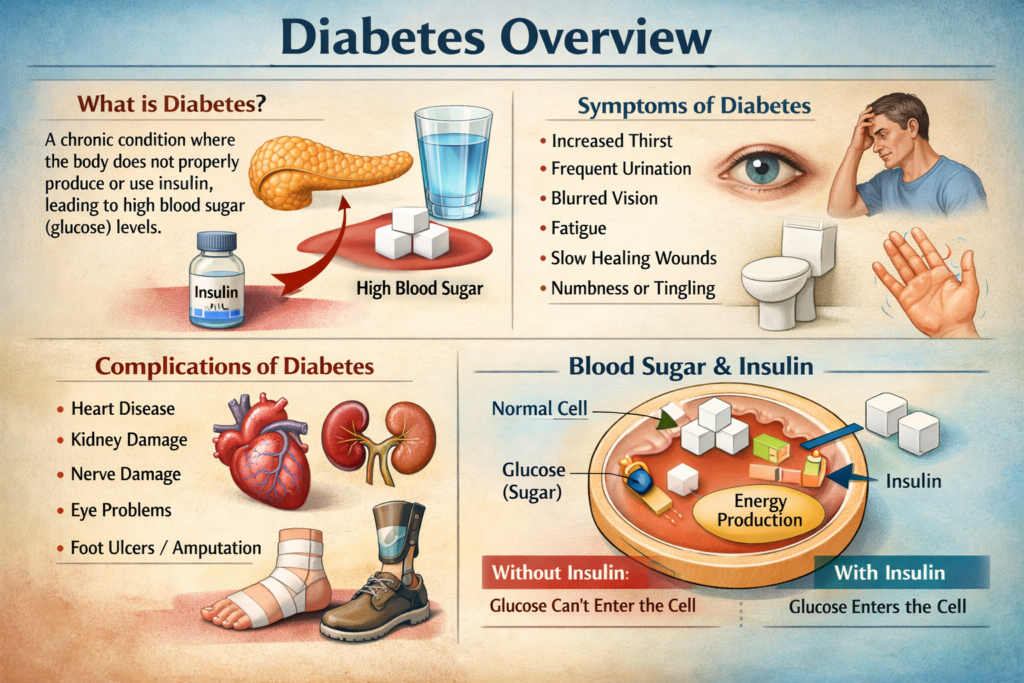
Prediabetes is a metabolic state in which blood glucose levels sit higher than normal but below the threshold that defines type 2 diabetes. It signals that the body’s ability to regulate blood sugar has become impaired. This happens either because cells have become less responsive to insulin — called insulin resistance — or because the pancreas no longer produces enough insulin to maintain normal blood glucose levels, or both.
Two measurements define prediabetes:
Fasting plasma glucose
A fasting blood glucose reading between 6.1 and 6.9 mmol/L — using UK and WHO criteria — indicates prediabetes. Normal fasting glucose sits below 6.1 mmol/L. Type 2 diabetes is diagnosed at 7.0 mmol/L or above on two separate occasions. The American Diabetes Association uses a slightly lower threshold of 5.6 to 6.9 mmol/L for prediabetes.
HbA1c — glycated haemoglobin
HbA1c measures average blood glucose over the previous two to three months. An HbA1c between 39 and 47 mmol/mol indicates prediabetes in the UK. An HbA1c of 48 mmol/mol or above on two occasions confirms type 2 diabetes. This test does not require fasting and captures longer-term glucose patterns rather than a single point-in-time measurement.
Impaired glucose tolerance
Some people have normal fasting glucose but show abnormal blood sugar responses after eating — a pattern called impaired glucose tolerance. An oral glucose tolerance test detects this. People with both impaired fasting glucose and impaired glucose tolerance carry the highest risk of progression among the three prediabetes phenotypes.
Why Prediabetes Matters — and Why Most People Ignore It
Prediabetes is not simply an early warning sign for diabetes. It carries its own health consequences, independently of whether it ever progresses to type 2 diabetes.
Prediabetes already affects the cardiovascular system
Elevated blood glucose — even below the diabetes threshold — damages blood vessel walls progressively. People with prediabetes carry a 15 to 20 percent higher risk of cardiovascular events compared to people with normal glucose. This cardiovascular risk develops independently of other risk factors. It begins before the diabetes threshold is reached.
Prediabetes is associated with early kidney changes
Kidney damage is typically thought of as a complication of established diabetes. However, evidence shows that early kidney changes begin in the prediabetes phase. Detecting and addressing prediabetes therefore has implications not just for diabetes prevention but for long-term kidney health.
Progression is not inevitable — but it is common without action
Without intervention, approximately 37 percent of people with prediabetes progress to type 2 diabetes within four years. However, a significant proportion of people with prediabetes also revert to normal glucose levels — particularly with lifestyle change. A 2025 systematic review in Diabetes and Metabolic Syndrome found that lifestyle interventions produced meaningful rates of reversion to normoglycaemia, particularly in people with impaired fasting glucose.
Most people with prediabetes feel entirely well
This is the most significant challenge in prediabetes management. The condition produces no pain, no obvious symptoms, and no urgent sense that action is required. Many people who receive a prediabetes diagnosis at a routine check-up leave without fully grasping what it means. Understanding the genuine risk — and the genuine opportunity — changes that equation.
Who Is at Risk of Prediabetes?
Several factors significantly increase the risk of developing prediabetes. Understanding your own risk profile helps you decide whether to request testing and how urgently to act on a diagnosis.
Modifiable risk factors
- Excess body weight: particularly abdominal fat, which releases fatty acids into the portal circulation and worsens insulin resistance. Higher BMI carries progressively higher risk.
- Physical inactivity: regular physical activity improves insulin sensitivity in skeletal muscle — the body’s primary site of glucose uptake. Sedentary lifestyles allow insulin resistance to develop progressively over time.
- Poor dietary habits: diets high in refined carbohydrates, added sugars, ultra-processed foods, and saturated fat drive insulin resistance and raise blood glucose over time.
- Poor sleep: chronic sleep deprivation and sleep disorders worsen insulin resistance and raise blood glucose. Even short-term sleep restriction produces measurable deteriorations in glucose metabolism.
- Chronic stress: stress hormones — particularly cortisol — raise blood glucose and worsen insulin resistance through multiple mechanisms. Chronic psychological stress is an under-recognised contributor to metabolic dysfunction.
- Smoking: smoking worsens insulin resistance and elevates blood glucose risk independently of other factors.
Non-modifiable risk factors
- Age: risk increases with age — the NHS recommends prediabetes testing for adults aged 40 and over, or 25 and over in certain high-risk ethnic groups
- Family history: having a parent or sibling with type 2 diabetes significantly raises personal risk
- Ethnicity: people of South Asian, Black African, African-Caribbean, and Chinese descent face higher prediabetes risk at lower BMI levels than white European populations
- History of gestational diabetes: women who develop gestational diabetes during pregnancy carry a substantially elevated lifetime risk of type 2 diabetes and prediabetes
- Polycystic ovary syndrome: PCOS is strongly linked to insulin resistance and carries significantly elevated prediabetes and type 2 diabetes risk
How Prediabetes Is Diagnosed
Testing for prediabetes requires a blood test — the condition cannot be detected through symptoms or physical examination alone. In the UK, testing typically happens through two routes.
NHS Health Check
The NHS offers a free Health Check to all adults aged 40 to 74 every five years. The check includes a fasting blood glucose or HbA1c test. It uses the NHS Diabetes Prevention Programme risk score to identify people at high risk. If you are in this age group and have not had your NHS Health Check recently, booking one is the most accessible route to testing.
GP testing on request
You can ask your GP to test your blood glucose if you have risk factors or are concerned about your metabolic health. HbA1c testing is the most common initial test as it does not require fasting. If your HbA1c falls in the prediabetes range, your GP may arrange a fasting glucose test or oral glucose tolerance test for confirmation.
Screening frequency
People with confirmed prediabetes should have their glucose checked at least annually. This allows detection of both progression toward type 2 diabetes and — importantly — reversion to normal glucose levels in response to lifestyle change.
Can You Prevent Type 2 Diabetes? What the Evidence Shows
The answer is clearly yes — with the right intervention applied consistently. The evidence for preventing prediabetes progression is stronger than in almost any other area of preventive medicine.
The Diabetes Prevention Program — the most important trial
The Diabetes Prevention Program enrolled 3,234 adults with prediabetes and divided them into three groups: intensive lifestyle intervention, metformin medication, or placebo. The lifestyle intervention targeted at least 7 percent body weight loss and 150 minutes of moderate physical activity per week.
The results were striking. The lifestyle group reduced their risk of developing type 2 diabetes by 58 percent — more than double the 31 percent reduction in the metformin group. Long-term follow-up from the DPP Outcomes Study confirmed that benefits persisted for over a decade after the initial trial.
2025 meta-analysis confirms lifestyle intervention effectiveness
A 2025 systematic review in the Journal of Medical Internet Research examined different modes of lifestyle intervention delivery — face-to-face, digital, and blended approaches — across randomised controlled trials through October 2024. All three modes produced significant reductions in type 2 diabetes incidence compared to usual care. The authors confirmed that the evidence base for lifestyle intervention in prediabetes is robust across all delivery formats.
The 2025 ACLM guidelines
The American College of Lifestyle Medicine released its first clinical practice guideline on lifestyle interventions for type 2 diabetes and prediabetes in 2025. It places lifestyle intervention as the foundation of prediabetes management — not an adjunct to pharmaceutical treatment. It emphasises six pillars: plant-predominant nutrition, regular physical activity, restorative sleep, stress management, avoidance of risky substances, and positive social connection.
What Actually Works: Evidence-Based Steps to Prevent Type 2 Diabetes
The lifestyle changes that most effectively prevent type 2 diabetes progression in people with prediabetes are well established. Here is what the strongest evidence supports.
1. Modest weight loss — the most powerful single intervention
The DPP lifestyle intervention targeted 7 percent body weight loss. For a person weighing 90kg, that is approximately 6.3kg. This modest reduction produced the 58 percent diabetes risk reduction. Losing 5 to 7 percent of total body weight is the most consistently supported target for prediabetes reversal. Greater weight loss produces proportionally greater benefit — but 5 to 7 percent is where meaningful metabolic changes become reliably detectable.
Gradual, sustainable weight loss of 0.5 to 1kg per week through dietary change and increased activity is more effective long-term than rapid loss followed by regain.
2. Regular physical activity — 150 minutes per week minimum
The DPP lifestyle intervention required at least 150 minutes of moderate-intensity physical activity per week — equivalent to 30 minutes on five days. Brisk walking, cycling, swimming, or any activity that raises heart rate and breathing without making conversation impossible all count as moderate intensity.
Resistance training adds further benefit beyond aerobic exercise. Building muscle mass increases glucose uptake capacity and improves insulin sensitivity through mechanisms that complement those of aerobic exercise. The 2025 ACLM guidelines specifically recommend combining aerobic and resistance training for optimal metabolic benefit in prediabetes.
3. Dietary changes — reducing refined carbohydrates and processed food
The DPP dietary intervention focused on reducing total fat and calorie intake to support weight loss. However, the specific dietary pattern matters alongside calorie reduction. Research consistently shows that reducing refined carbohydrates, added sugars, and ultra-processed foods produces the most significant improvements in blood glucose and insulin sensitivity.
A plant-predominant dietary pattern — rich in vegetables, legumes, whole grains, nuts, and seeds, with limited processed food and added sugar — shows strong evidence for prediabetes management across multiple clinical trials. The Mediterranean diet pattern also has robust evidence for blood glucose improvement and cardiovascular risk reduction in people with prediabetes.
4. Improving sleep quality
Addressing poor sleep is an under-recognised but evidence-supported component of prediabetes management. Chronic sleep deprivation worsens insulin resistance and raises blood glucose independently of diet and exercise. Treating obstructive sleep apnoea — where present — produces measurable improvements in insulin sensitivity and blood glucose in people with prediabetes.
5. Stress management
Chronic psychological stress raises cortisol. Cortisol directly raises blood glucose and worsens insulin resistance. Mindfulness-based stress reduction, yoga, regular exercise, and adequate social connection all reduce cortisol levels and support metabolic health. The 2025 ACLM guideline explicitly includes stress management as one of the six pillars of prediabetes treatment — not as a soft addition but as a clinically significant component.
6. Medication — when lifestyle change is not sufficient
Metformin is the most commonly used medication for prediabetes prevention. Diabetes UK and the American Diabetes Association recommend it for people at highest risk — particularly those with BMI above 35, those aged under 60, and women with a history of gestational diabetes. Metformin reduces type 2 diabetes risk by approximately 31 percent. Both the 2025 ACLM guideline and the ADA 2025 Standards of Care emphasise that medication should complement rather than replace lifestyle intervention.
The NHS Diabetes Prevention Programme
In the UK, adults identified with prediabetes through the NHS Health Check or GP testing are eligible for referral to the NHS Diabetes Prevention Programme. The programme provides a structured, evidence-based group lifestyle intervention delivered over nine months — covering dietary change, physical activity, and behaviour change strategies based on the DPP model.
Research from NHS England shows that participants completing the programme lose an average of 3.5kg and show significant improvements in HbA1c. The programme is free to eligible participants and available in face-to-face and digital formats across England. Ask your GP about referral if you have a prediabetes diagnosis.
For more on how dietary approaches support metabolic health and blood sugar management, read our article on Is Eating Clean a Scam? Reframing Your Relationship with Processed Food.
The NHS guide to preventing type 2 diabetes provides comprehensive information on prediabetes, the NHS Diabetes Prevention Programme, eligibility for referral, and the lifestyle changes with the strongest evidence base for diabetes prevention.
Key Takeaways
- Prediabetes affects an estimated 7 million people in the UK and 98 million in the US — with more than 80 percent undiagnosed because it produces no symptoms.
- It is diagnosed through HbA1c between 39 and 47 mmol/mol or fasting plasma glucose between 6.1 and 6.9 mmol/L — below the type 2 diabetes threshold but above normal.
- The landmark Diabetes Prevention Program trial found that lifestyle intervention reduced the risk of progression to type 2 diabetes by 58 percent — more than double the 31 percent reduction produced by metformin.
- A 2025 meta-analysis confirmed that lifestyle interventions — face-to-face, digital, or blended — all produce significant reductions in type 2 diabetes incidence compared to usual care.
- The most evidence-supported lifestyle changes are modest weight loss of 5 to 7 percent, 150 minutes of moderate physical activity per week, reduced refined carbohydrate and processed food intake, improved sleep, and stress management.
- In the UK, adults with prediabetes are eligible for referral to the free NHS Diabetes Prevention Programme — a structured nine-month lifestyle intervention with demonstrated effectiveness.
- Prediabetes already carries cardiovascular and kidney risk independently of whether it progresses to type 2 diabetes — early intervention protects more than just future blood sugar.
Final Thoughts
A prediabetes diagnosis is not a sentence. It is an opportunity — and one of the clearest opportunities in preventive medicine to change the direction of your health before serious damage occurs. The evidence is unusually strong and unusually consistent: lifestyle change works, it works better than medication alone, and its effects persist for years when the habits are maintained.
The challenge is that prediabetes feels like nothing. There is no pain pushing you to act. No urgent symptom demanding attention. Acting on a number from a blood test requires understanding why that number matters — and deciding that your future health is worth changing comfortable habits today.
If you have been told your blood sugar is elevated, or if you have risk factors that have never been investigated, book that blood test. Find out where you stand. Then take the window — because it is real, it is wide, and the evidence shows clearly that most people who walk through it do not develop type 2 diabetes.
Medical Disclaimer: The information on this page is provided for educational and informational purposes only and is not intended as medical advice. It should not replace consultation with a qualified healthcare professional. For full details, please read our Disclaimer.