Understanding the causes of persistent fatigue matters most once ordinary tiredness stops responding to rest. Doctors sometimes use the acronym TATT, meaning “tired all the time,” since it’s such a common complaint. One UK survey of over 15,000 people found that 10 to 18% reported tiredness lasting a month or longer. Roughly 1.5 in every 100 people see their GP about new tiredness each year.
This article goes beyond the basics to cover the specific medical, lifestyle, and psychological causes worth investigating when fatigue persists despite adequate sleep. That way, you know what to raise with your doctor and why.
For a broader overview of fatigue and when to seek help, read our guide on Fatigue.
Causes of Persistent Fatigue: Medical Conditions Worth Ruling Out
When fatigue doesn’t improve with rest, a range of physical conditions are worth investigating through blood tests and a GP consultation.
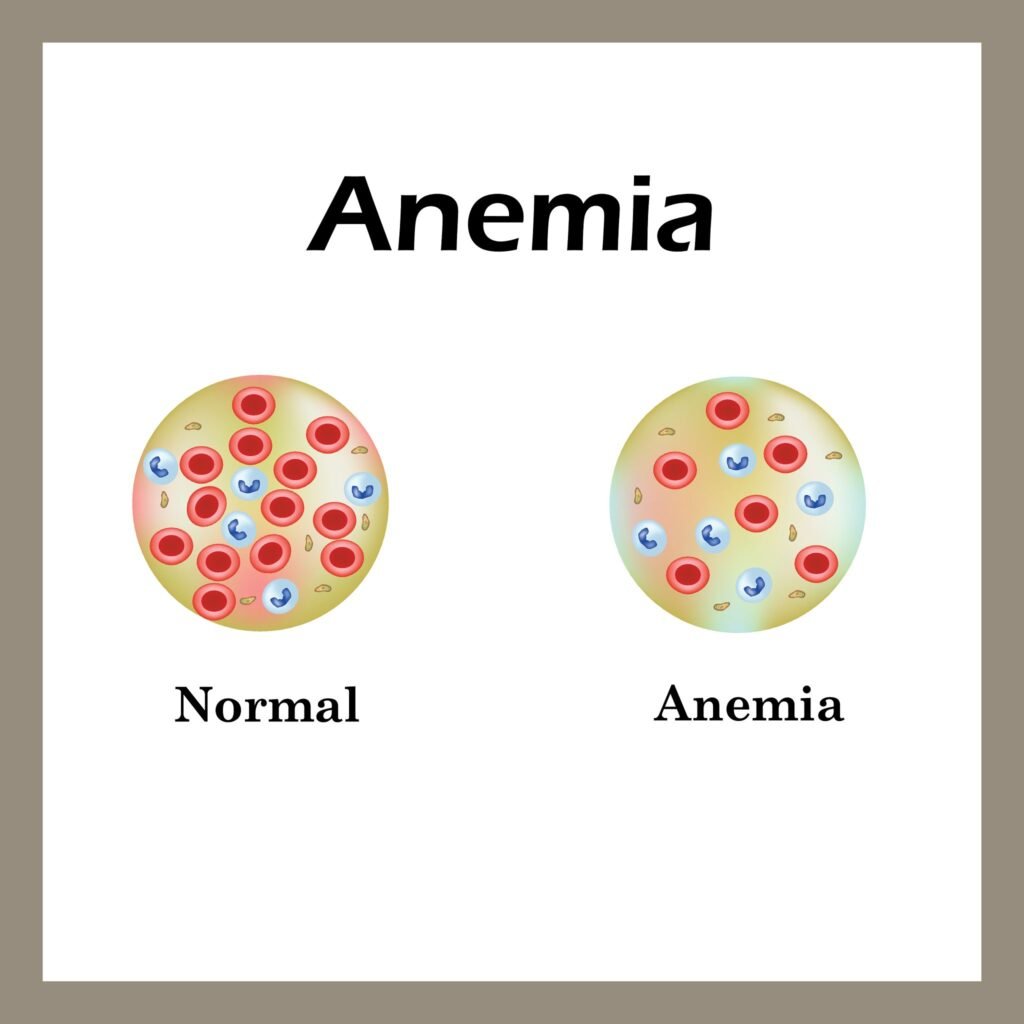
- Anaemia: a low iron level is one of the most common physical causes of persistent tiredness. Doctors typically identify it through a simple blood test.
- Underactive thyroid (hypothyroidism): a slow thyroid affects metabolism broadly. Fatigue is often one of its earliest and most persistent symptoms.
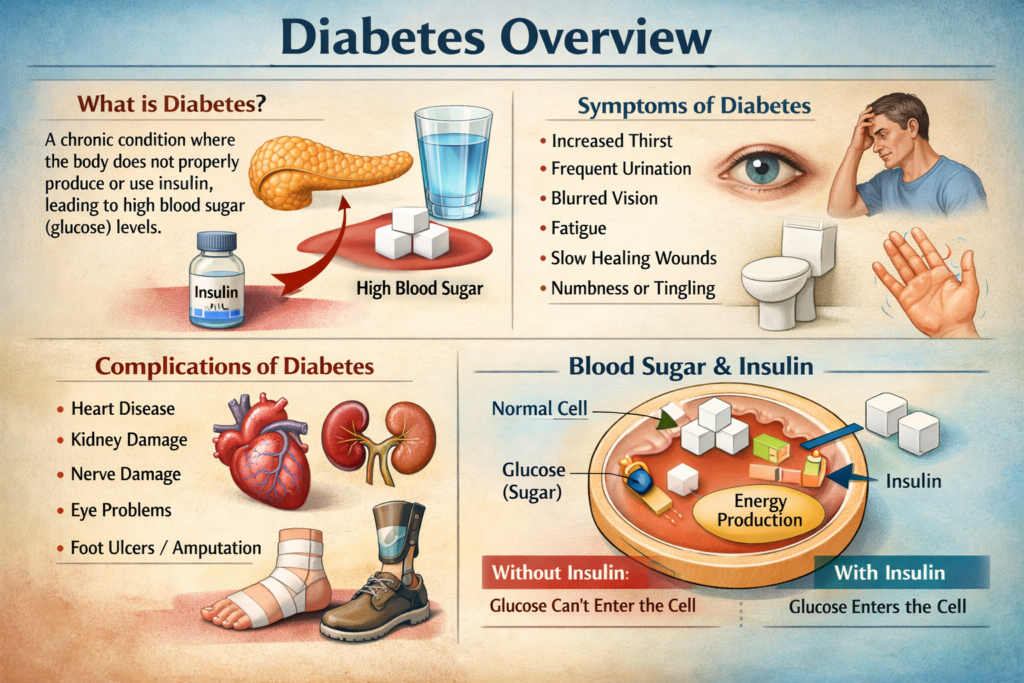
- Poorly controlled diabetes: fluctuating or consistently high blood sugar significantly affects energy levels, even before other symptoms become obvious.
- Vitamin D deficiency: low vitamin D is increasingly recognised as a contributor to persistent fatigue, particularly during darker months. Our guide on Vitamin D Deficiency: Signs, Causes, and Treatment covers this connection in detail.
- Coeliac disease and nutrient absorption problems: conditions that impair how your body absorbs nutrients from food can cause fatigue that doesn’t clearly connect to diet on the surface.
- Sleep apnea: repeated breathing interruptions during sleep prevent restorative rest, even when total sleep time looks adequate. Our guide on Sleep Apnea Symptoms You Should Never Ignore covers the signs worth watching for.
- Heart or chest conditions: conditions like heart failure or chronic respiratory illness can present with persistent fatigue as an early, easy-to-miss symptom.
Causes of Persistent Fatigue: Psychological and Emotional Factors
Fatigue isn’t always physical in origin. Persistent stress, low mood, and unprocessed emotional strain are among the most common causes doctors see. These respond to different treatment than a physical cause would.
- Depression and anxiety: fatigue is one of the most frequently reported symptoms of both conditions, sometimes appearing before mood changes become obvious.
- Chronic, unmanaged stress: ongoing stress keeps the body in a state of low-grade alert that gradually depletes energy reserves over time.
- Grief: emotional loss carries a genuine physical toll. Fatigue is a common, often under-discussed part of the grieving process.
- Emotional exhaustion: ongoing stress without adequate recovery time can produce a specific pattern of fatigue that rest alone doesn’t resolve. Our guide on Signs You’re Emotionally Exhausted covers this pattern in more depth.
The NHS notes that talking therapies, including counselling or cognitive behavioural therapy, can genuinely help with fatigue connected to stress, anxiety, or low mood. This applies specifically when the fatigue itself doesn’t have a clear physical cause.
Read more on our article The Difference Between a Sprain, Strain, and Break (And How to Treat at Home)
Causes of Persistent Fatigue: Everyday Lifestyle Factors
Several common habits contribute to ongoing tiredness, often in combination rather than as a single obvious cause.
- Chronic dehydration: even mild, ongoing dehydration is a well-documented contributor to low energy that’s easy to overlook. Our guide on The Truth About Chronic Dehydration covers this connection specifically.
- Poor sleep quality, not just quantity: hitting eight hours doesn’t guarantee restorative sleep if that sleep is frequently interrupted or poor in quality.
- Excess caffeine: caffeine’s effects can last up to seven hours. Afternoon or evening intake can disrupt sleep and worsen the very tiredness it’s meant to fix.
- Physical inactivity: sitting for long periods, paradoxically, tends to sap energy rather than preserve it. The body associates prolonged stillness with rest.
- Skipping meals or poor nutrition: irregular eating patterns cause blood sugar swings that directly affect energy levels throughout the day.
- Certain medications: antihistamines, some blood pressure medicines, sleeping pills, and steroids can all list fatigue or drowsiness as a side effect.
When Fatigue Signals Something More Serious
Occasional tiredness rarely needs urgent attention, but certain patterns are worth raising with your GP without delay.
- fatigue lasting more than a few weeks, with no clear explanation
- unexplained weight loss alongside persistent tiredness
- fatigue accompanied by fever, night sweats, or unusual bruising
- fatigue that’s significantly worsened by physical or mental activity, and takes an unusually long time to recover from
- tiredness severe enough to interfere with daily activities like working or caring for yourself
This last pattern, particularly when combined with sleep problems and brain fog, can point toward myalgic encephalomyelitis (chronic fatigue syndrome). The NHS recognises this long-term condition as involving extreme, persistent tiredness that doesn’t improve with rest. The NHS guide to tiredness and fatigue provides further detail on causes, self-help steps, and when a specialist referral may be needed.
Read more of our article on Living with PCOS: A Symptom Management Checklist That Isn’t Just ‘Lose Weight’
Key Takeaways
- The causes of persistent fatigue range widely, from anaemia and thyroid problems to stress, poor sleep quality, and certain medications.
- Fatigue is common enough that doctors have a specific acronym for it, TATT, reflecting how often people report tiredness lasting weeks or longer.
- Psychological causes, including depression, anxiety, and chronic stress, are among the most common contributors, and they respond to different treatment than physical causes.
- Everyday factors like dehydration, excess caffeine, and physical inactivity often compound each other rather than acting alone.
- Fatigue lasting more than a few weeks, or accompanied by weight loss, fever, or activity-worsened exhaustion, warrants a prompt GP conversation rather than more waiting.
Final Thoughts
Identifying the causes of persistent fatigue often requires looking honestly at several areas at once, rather than assuming a single explanation covers everything. Physical, psychological, and lifestyle factors frequently overlap. This is part of why fatigue can feel so hard to pin down on your own.
If tiredness has outlasted a busy week or a rough patch and settled into something more constant, that’s worth a proper conversation with your GP. A simple blood test or two often uncovers exactly what’s been quietly draining your energy.
Persistent fatigue is a signal, not a personal failing. It’s worth listening to.
Medical Disclaimer: The information on this page is provided for educational and informational purposes only and is not intended as medical advice. It should not replace consultation with a qualified healthcare professional. For full details, please read our Disclaimer.