Sleep apnea symptoms are easy to miss. Many people live with the condition for years before anyone connects the dots. This isn’t unusual. Sleep apnea happens while you’re asleep, so you’re often the last person to notice it. It’s frequently a partner who first mentions the loud snoring, the pauses in breathing, or the sudden gasping sound in the middle of the night.
Left untreated, sleep apnea does more than disrupt sleep. It raises the risk of high blood pressure, heart disease, and stroke over time. This article explains what sleep apnea actually is, the symptoms that deserve attention, who’s most at risk, and what happens once you’re diagnosed.
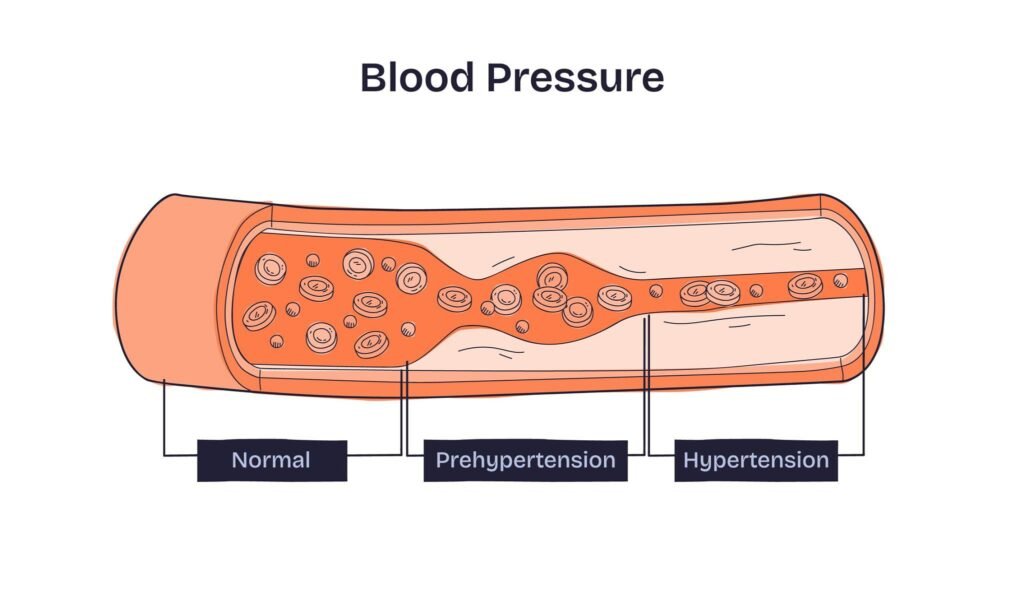
For more on how sleep apnea connects to long-term cardiovascular risk, read our guide on Blood Pressure Numbers: What They Mean.
What Sleep Apnea Actually Is
Sleep apnea is a condition where your breathing repeatedly stops and starts during sleep. The most common form is obstructive sleep apnea, or OSA. It happens when the muscles in your throat relax too much during sleep, narrowing or fully blocking your airway.
Each pause in breathing is called an apnea. It typically lasts 10 seconds or longer. Your brain senses the drop in oxygen and briefly wakes you, just enough to reopen your airway. This can happen dozens or even hundreds of times a night, though most people never remember waking at all.
Sleep Apnea Symptoms You Should Never Ignore
Some sleep apnea symptoms happen at night. Others show up during the day. Both matter, and both are worth paying attention to.
Nighttime sleep apnea symptoms
- Loud, frequent snoring: not every snorer has sleep apnea, but loud snoring that happens most nights is one of the most common warning signs.
- Witnessed pauses in breathing: a partner noticing moments where breathing stops, followed by a gasp or choking sound, is one of the clearest signals.
- Waking up gasping or choking: this happens when your brain forces you to briefly wake and reopen your airway.
- Frequent nighttime urination: waking multiple times a night to use the bathroom can be linked to the pressure changes sleep apnea causes in the chest.
- Restless, fragmented sleep: tossing and turning, or waking often without a clear reason, even if you don’t remember the cause.
Daytime sleep apnea symptoms
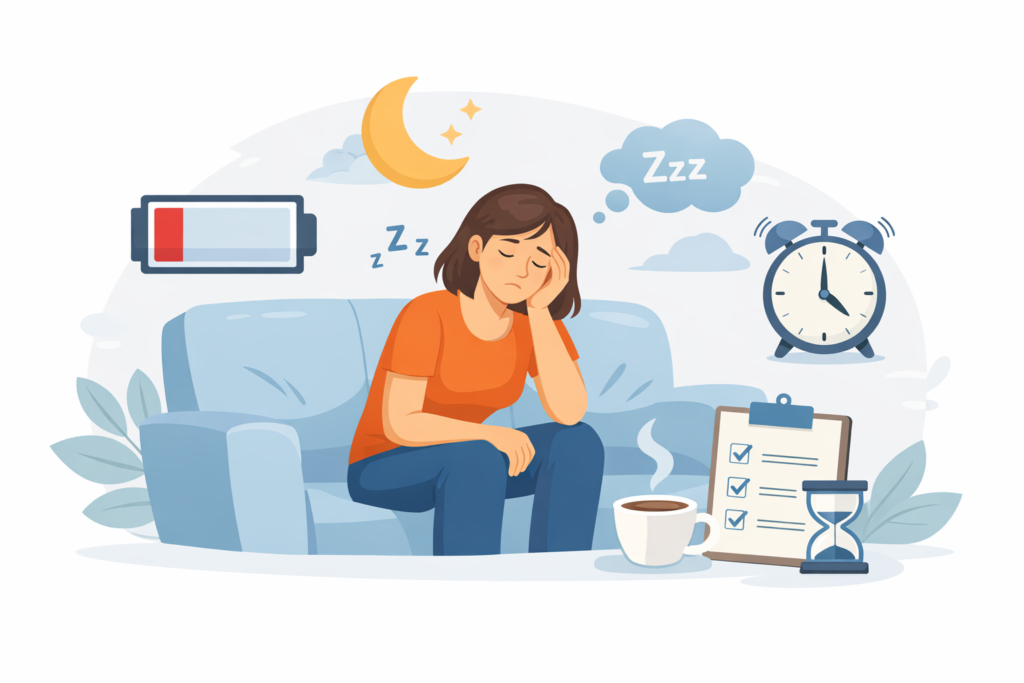
- Excessive daytime sleepiness: feeling drowsy during the day despite what feels like a full night’s sleep is one of the strongest indicators.
- Morning headaches: these often result from the drops in oxygen that happen repeatedly overnight.
- Difficulty concentrating: poor-quality sleep affects memory, focus, and decision-making the next day.
- Irritability or low mood: chronic sleep disruption affects emotional regulation, often showing up as short temper or flat mood.
- Dry mouth or sore throat on waking: often caused by breathing through the mouth during apnea episodes overnight.
Falling asleep while driving, in meetings, or during quiet activities is a serious sign that shouldn’t wait. This level of daytime sleepiness needs medical attention soon, not eventually.
Who Is Most at Risk of Sleep Apnea?
Anyone can develop sleep apnea, but certain factors raise the risk significantly.
- Excess weight: extra tissue around the neck and throat can narrow the airway during sleep.
- Large neck circumference: a neck size over 17 inches (43cm) is linked to higher risk, independent of overall weight.
- Being male: men are diagnosed with sleep apnea more often than women, though the gap narrows after menopause.
- Age: risk increases with age, particularly after 40.
- Family history: having a close relative with sleep apnea raises your own risk.
- Smoking and alcohol use: both relax throat muscles and increase airway inflammation, making apnea episodes more likely.
- Nasal congestion or a naturally narrow airway: structural factors like a small jaw, large tonsils, or chronic congestion can all contribute.
Why Sleep Apnea Symptoms Shouldn’t Be Ignored
Untreated sleep apnea affects more than energy levels. Each pause in breathing drops your blood oxygen and puts stress on your cardiovascular system. Over time, this repeated strain is linked to several serious conditions.
- High blood pressure: the repeated oxygen drops and stress responses during apnea episodes raise blood pressure, often making it harder to control even with medication.
- Heart disease and irregular heartbeat: sleep apnea is linked to a higher risk of atrial fibrillation, heart attack, and heart failure.
- Stroke: untreated moderate to severe sleep apnea significantly raises stroke risk.
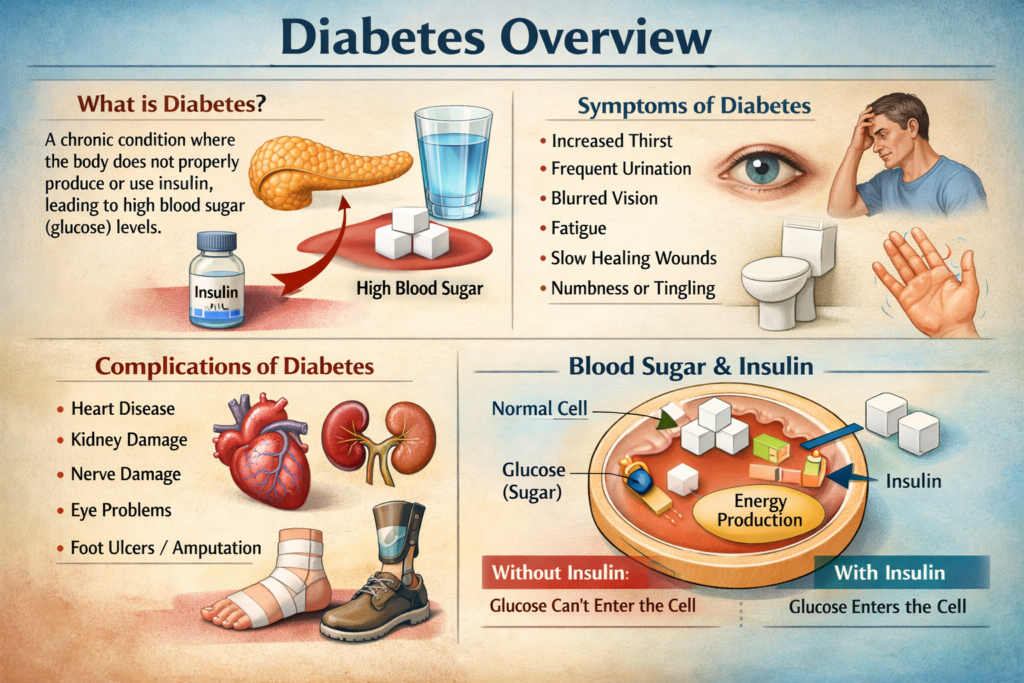
- Type 2 diabetes: poor sleep quality affects insulin sensitivity, and sleep apnea is common among people with type 2 diabetes.
- Accidents: daytime sleepiness from sleep apnea raises the risk of car accidents and workplace injuries significantly.
Struggling to quiet your mind at night can compound these symptoms further. Our guide on How to Calm an Overactive Mind Before Bed covers practical ways to improve sleep quality alongside any underlying condition your doctor is treating.
How Sleep Apnea Is Diagnosed
If your doctor suspects sleep apnea, they’ll typically start by asking about your symptoms and reviewing your risk factors. Bringing a partner who has witnessed nighttime symptoms can help build a clearer picture.
The next step is usually a sleep study, called polysomnography. This can be done overnight in a sleep clinic or, increasingly, at home using a portable monitoring device. The study measures your breathing patterns, oxygen levels, heart rate, and how often your sleep is interrupted throughout the night.
Doctors measure severity using the apnea-hypopnea index, or AHI. This counts how many breathing interruptions happen per hour of sleep.
- Mild: 5 to 15 events per hour
- Moderate: 15 to 30 events per hour
- Severe: more than 30 events per hour
Treatment Options for Sleep Apnea
Treatment depends on severity, but most plans combine lifestyle changes with a specific device or intervention.
- CPAP therapy: a continuous positive airway pressure machine is the most common and effective treatment. It gently pumps air through a mask to keep your airway open overnight.
- Lifestyle changes: losing excess weight, reducing alcohol intake, quitting smoking, and sleeping on your side rather than your back can meaningfully reduce symptoms, particularly in milder cases.
- Oral appliances: a mandibular advancement device, fitted by a dentist, holds your jaw slightly forward to keep the airway open.
- Surgery: in specific cases, surgery to remove excess tissue or correct a structural airway problem may be recommended when other treatments haven’t worked.
The NHS guide to sleep apnoea provides further detail on diagnosis, CPAP treatment, and driving guidance for people diagnosed with the condition.
Key Takeaways
- Sleep apnea symptoms often go unnoticed by the person experiencing them, since the condition happens during sleep. A partner is often the first to notice.
- Loud snoring, witnessed breathing pauses, and gasping awake are the clearest nighttime warning signs.
- Daytime sleepiness, morning headaches, and difficulty concentrating are equally important signs, even without obvious nighttime symptoms.
- Untreated sleep apnea raises the risk of high blood pressure, heart disease, stroke, and type 2 diabetes over time.
- A sleep study, either in a clinic or at home, is the standard way to confirm diagnosis and measure severity.
- CPAP therapy remains the most effective treatment, often combined with lifestyle changes for the best results.
Final Thoughts
Sleep apnea symptoms are frequently dismissed as ordinary tiredness, stress, or simply getting older. That dismissal is exactly what allows the condition to go untreated for years, quietly raising cardiovascular risk the entire time. If a partner has mentioned your snoring or breathing at night, or if daytime exhaustion feels disproportionate to how much you’ve actually slept, it’s worth raising with your doctor.
Diagnosis is straightforward, and treatment works. Most people who start CPAP therapy notice a real difference in energy and mood within weeks.
Don’t wait for it to get worse. Get it checked.
Medical Disclaimer: The information on this page is provided for educational and informational purposes only and is not intended as medical advice. It should not replace consultation with a qualified healthcare professional. For full details, please read our Disclaimer.