If you have polycystic ovary syndrome, you have probably heard the advice before. Lose weight. Exercise more. The implication being that if you just did those two things, everything else would follow.
For many women living with PCOS, this advice is not only unhelpful — it is frustrating. Some women with PCOS are not overweight. Others have tried every diet available and still struggle with irregular periods, hair loss, acne, fatigue, and mood changes that do not seem to respond to anything.
The truth is that PCOS symptom management is more detailed and more personalised than a single instruction to lose weight. PCOS affects multiple systems in the body simultaneously, and managing it well means addressing each of those systems with specific, practical steps.
This checklist covers what actually works — backed by evidence, not just common advice.
What PCOS actually is
Polycystic ovary syndrome is a hormonal condition affecting roughly one in ten women of reproductive age. Despite its name, not everyone with PCOS has cysts on their ovaries. The name refers to the appearance of multiple small follicles visible on ultrasound, which are not true cysts.
PCOS involves three main features, and a diagnosis typically requires at least two of them:
- irregular or absent menstrual periods
- elevated androgen levels, which are male hormones present in all women but higher than normal in PCOS
- polycystic ovaries on ultrasound
The root cause appears to involve insulin resistance, hormonal imbalance, and low-grade chronic inflammation working together. This is why PCOS affects so many different parts of the body at once — the skin, hair, metabolism, reproductive system, and mental health are all influenced by the same underlying disruptions.
Read more of our article on Common Causes of Persistent Fatigue
Why PCOS symptom management needs a checklist approach
PCOS presents differently in every woman. One person’s most distressing symptom is acne. Another’s is hair thinning. A third struggles most with irregular cycles and difficulty conceiving.
A single treatment approach rarely addresses all of this. Effective PCOS symptom management works best when it targets the specific symptoms affecting you, rather than applying a one-size-fits-all plan.
The following checklist covers the main symptom areas. Work through the ones most relevant to your experience and discuss them with your doctor or gynaecologist.
PCOS symptom management checklist
1. Regulate blood sugar and insulin levels
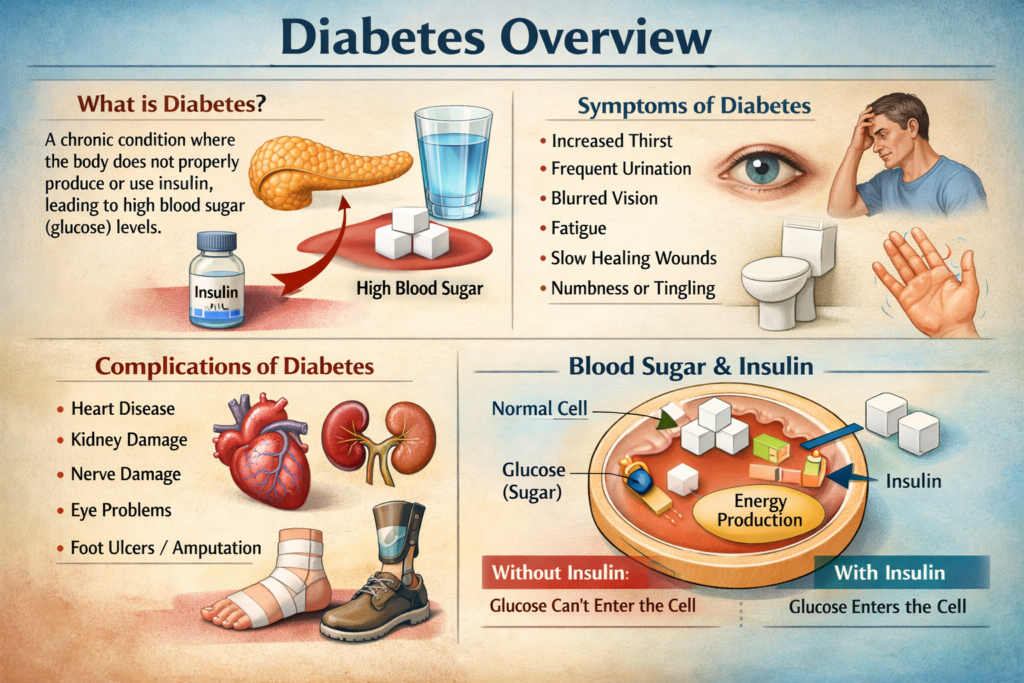
Insulin resistance sits at the centre of most PCOS cases. When the body does not respond well to insulin, it produces more of it. High insulin stimulates the ovaries to produce more androgens, which drives many of the most recognisable PCOS symptoms.
Steps that support better insulin sensitivity include:
- eating lower glycaemic index foods that release glucose slowly, such as oats, lentils, sweet potato, and wholegrains
- pairing carbohydrates with protein and healthy fat at each meal to slow glucose absorption
- reducing added sugar, sugary drinks, and ultra-processed snacks
- eating regular meals rather than skipping them, as skipping meals can trigger blood sugar spikes later in the day
- moving your body after meals, even a short walk, which helps muscles use glucose more effectively
Some women with PCOS find that a lower carbohydrate approach helps reduce insulin and androgen levels. Others do better with a Mediterranean-style diet rich in vegetables, fish, olive oil, and legumes. Neither approach is universally correct. The key is finding an eating pattern you can maintain consistently.
2. Support your menstrual cycle
Irregular periods are one of the most common and disruptive PCOS symptoms. They occur because high androgen and insulin levels interfere with ovulation.
Medical options your doctor may discuss include:
- combined oral contraceptive pills, which regulate periods and reduce androgen symptoms such as acne and hair growth
- progesterone therapy to trigger a withdrawal bleed when periods are very infrequent
- metformin, a diabetes medication that improves insulin sensitivity and can help restore more regular ovulation
Lifestyle approaches that support cycle regulation include consistent sleep, stress reduction, and the dietary changes described above. Significant under-eating or over-exercising can worsen cycle irregularity, so balance matters as much as effort.
3. Address acne and oily skin
Excess androgens stimulate the skin’s oil glands to produce more sebum, which leads to clogged pores and persistent acne, particularly along the jawline, chin, and neck.
Effective approaches include:
- using a gentle, non-comedogenic skincare routine that does not strip the skin barrier
- topical treatments containing benzoyl peroxide, salicylic acid, or retinoids, which a dermatologist can recommend based on severity
- oral contraceptive pills or spironolactone, which reduce androgen activity and are among the most effective medical treatments for hormonal acne
- reducing high-glycaemic foods in the diet, as blood sugar spikes are known to worsen hormonal acne
Acne driven by PCOS often does not respond well to standard skincare alone. If over-the-counter products are not working after two to three months, a dermatologist or gynaecologist referral is a reasonable next step.
4. Manage hair thinning and unwanted hair growth
PCOS can cause two hair-related symptoms that feel contradictory: thinning of the hair on the scalp and increased hair growth on the face, chest, or abdomen. Both result from excess androgens affecting hair follicles differently in different locations.
For unwanted facial or body hair:
- laser hair removal offers the most long-lasting reduction for many women
- eflornithine cream slows hair regrowth on the face and works well alongside laser treatment
- anti-androgen medications such as spironolactone reduce new hair growth over several months of consistent use
For scalp hair thinning:
- minoxidil applied to the scalp can slow hair loss and support regrowth in some women
- treating the underlying hormonal imbalance with medication often slows the hair loss process over time
- checking iron and ferritin levels is important, as many women with PCOS also have low iron, which independently causes hair loss
5. Prioritise sleep quality
Sleep disruption is both a symptom and a driver of PCOS. Women with PCOS have higher rates of sleep apnoea than the general population, even at a healthy weight. Poor sleep raises cortisol, worsens insulin resistance, and drives up androgen levels — all of which make every other PCOS symptom harder to manage.
Steps that support better sleep include:
- going to bed and waking at consistent times, including weekends
- reducing screen exposure in the hour before bed
- keeping the bedroom cool, dark, and quiet
- limiting caffeine after midday
- discussing sleep apnoea screening with a doctor if you snore, wake frequently, or feel unrefreshed despite adequate hours in bed
6. Manage stress actively
Chronic stress raises cortisol, which directly interferes with hormone balance and worsens insulin resistance. For women with PCOS, stress is not just an emotional experience — it has measurable physical effects on the hormones driving their symptoms.
Practical stress management approaches with evidence behind them include:
- regular moderate exercise, which reduces cortisol and improves insulin sensitivity simultaneously
- mindfulness practices and breathing exercises, which lower the body’s stress response over time with consistent practice
- reducing caffeine, which amplifies the cortisol response in some people
- setting realistic boundaries around work and commitments to reduce sustained pressure
7. Support your mental health
PCOS carries a significantly higher rate of anxiety and depression than the general population. This is partly driven by the hormonal environment of the condition and partly by the emotional weight of managing unpredictable symptoms, fertility concerns, and changes to appearance.
Mental health support as part of PCOS symptom management is not optional — it is essential.
- cognitive behavioural therapy has strong evidence for both anxiety and depression in women with PCOS
- speaking with a GP about whether antidepressant or anti-anxiety medication is appropriate is a legitimate step when symptoms are persistent
- connecting with PCOS support communities, online or in person, reduces the isolation many women feel
- being honest with your doctor about the emotional impact of PCOS ensures it becomes part of your care plan
8. Monitor for associated health risks
PCOS increases the long-term risk of several conditions, including type 2 diabetes, high blood pressure, and endometrial cancer. These risks are manageable, but only when monitored.
Regular checks that are important for women with PCOS include:
- fasting blood glucose and HbA1c to assess insulin and diabetes risk, ideally every one to two years
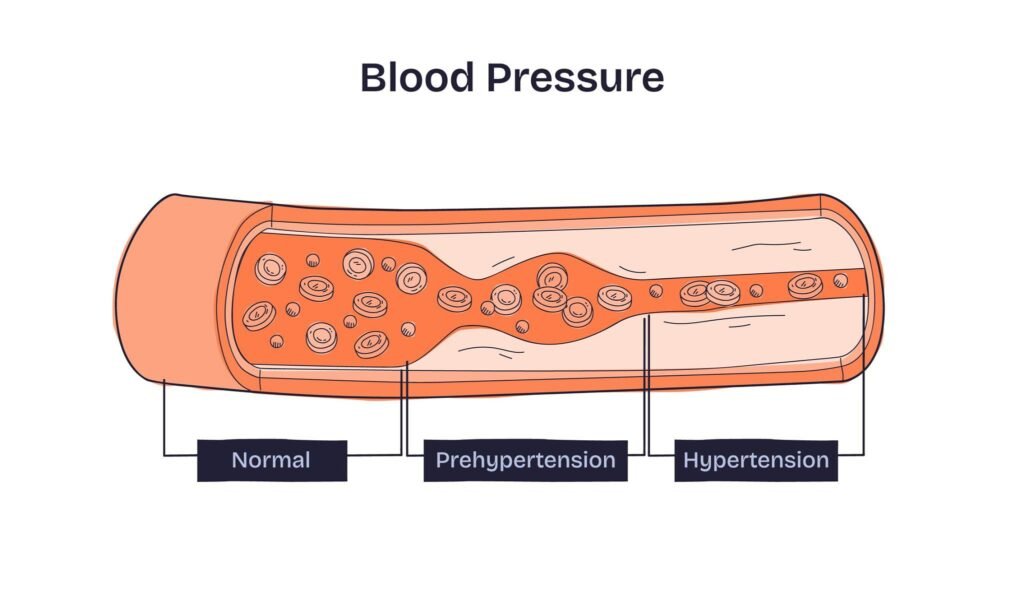
- blood pressure checks
- cholesterol and triglyceride levels
- a discussion with your doctor about endometrial health if periods are very infrequent or absent for extended periods
Many of these risks reduce significantly with consistent lifestyle management. Knowing your numbers helps you and your doctor make informed decisions.
9. Consider targeted supplementation
Several supplements have evidence supporting their use in PCOS, though none replace medical treatment.
- Inositol — particularly myo-inositol, which has good evidence for improving insulin sensitivity, restoring more regular ovulation, and reducing androgen levels in women with PCOS
- Vitamin D — deficiency is common in PCOS and links to worsened insulin resistance and mood. Testing levels before supplementing is worthwhile
- Magnesium — supports insulin sensitivity and sleep quality, both relevant to PCOS management
- Omega-3 fatty acids — reduce inflammation and support hormonal balance
Always discuss supplements with a healthcare professional before starting, particularly if you are taking medication, as interactions are possible.
For more on how inflammation connects to hormonal conditions, read our article on Inflammation 101: How to Know if You Have It and What to Eat Next.
What about exercise and weight?
Exercise benefits PCOS in ways that have nothing to do with weight. Regular movement improves insulin sensitivity, lowers cortisol, reduces inflammation, and supports better sleep. These effects are measurable even without any change in body weight.
The most consistently beneficial types of exercise for PCOS include:
- strength training, which builds muscle mass and significantly improves insulin sensitivity
- moderate cardiovascular exercise such as walking, swimming, or cycling
- yoga and pilates, which combine movement with stress reduction
High-intensity exercise every day without adequate rest can raise cortisol and worsen hormonal disruption. Consistency and recovery matter more than intensity.
If weight loss is one of your goals and your doctor has discussed it as clinically relevant to your symptoms, a gradual, sustainable approach with support from a dietitian is far more effective than short-term restriction.
When to see a doctor about PCOS symptom management
See a doctor if you:
- have not had a period in more than three months
- are trying to conceive and have been unsuccessful after six to twelve months
- have persistent acne, hair loss, or unwanted hair growth that is affecting your daily life and has not responded to self-care measures
- experience significant anxiety or depression alongside your physical symptoms
- have not had a blood sugar or cholesterol check in the past two years
- suspect sleep apnoea based on your or a partner’s observations
PCOS is a lifelong condition, but it is manageable. A good relationship with a GP or gynaecologist who understands the complexity of the condition makes a significant difference in quality of life.
The NHS guide on polycystic ovary syndrome provides a thorough overview of diagnosis, treatment options, and long-term management.
Key Takeaways
- Effective PCOS symptom management addresses insulin resistance, hormonal balance, skin, hair, sleep, stress, and mental health — not just weight.
- Insulin resistance drives most PCOS symptoms. Reducing added sugar, eating lower glycaemic foods, and moving regularly all support better insulin sensitivity.
- Medical options including contraceptive pills, metformin, and spironolactone address specific symptoms and are worth discussing with a doctor.
- Sleep quality and stress management directly affect PCOS hormones and are as important as diet and exercise.
- Anxiety and depression are significantly more common in women with PCOS. Mental health support should form part of any management plan.
- Inositol, vitamin D, magnesium, and omega-3s have evidence supporting their use in PCOS, though supplements work alongside, not instead of, other treatment.
- Regular monitoring for diabetes, blood pressure, and cholesterol reduces long-term health risks associated with PCOS.
Conclusion
Living with PCOS means managing a condition that affects your hormones, skin, hair, metabolism, mood, and fertility — often all at once. Telling someone to simply lose weight addresses one potential factor while ignoring the rest.
A thorough approach to PCOS symptom management looks at each system the condition affects and applies targeted, evidence-based strategies to each one. Some of those strategies involve medication. Others involve diet, movement, sleep, and stress. Many involve a combination of all of these.
You deserve care that takes the full picture seriously. Use this checklist as a starting point for a more detailed conversation with your healthcare team — one that goes beyond the scales and into what you are actually experiencing every day.
Medical Disclaimer: The information on this page is provided for educational and informational purposes only and is not intended as medical advice. It should not replace consultation with a qualified healthcare professional. For full details, please read our Disclaimer.