Chronic dehydration rarely looks like the dramatic thirst most people picture. It tends to build quietly, day after day, showing up as low energy or a dull headache long before actual thirst kicks in. By the time you feel thirsty, mild dehydration is often already present. This makes it easy to live in a persistently under-hydrated state without ever connecting the dots.
This article covers the subtle signs of chronic dehydration, who’s most at risk, how much water you actually need, and when dehydration becomes a medical concern rather than a daily habit to adjust.
For more on other everyday causes of low energy, read our guide on Fatigue.
What Chronic Dehydration Actually Means
Dehydration happens when your body loses more fluid than it takes in. Chronic dehydration describes a pattern where this happens repeatedly, day after day, rather than as a single acute episode. Even mild, ongoing dehydration disrupts normal metabolic processes, since water plays a role in nearly every system in your body.
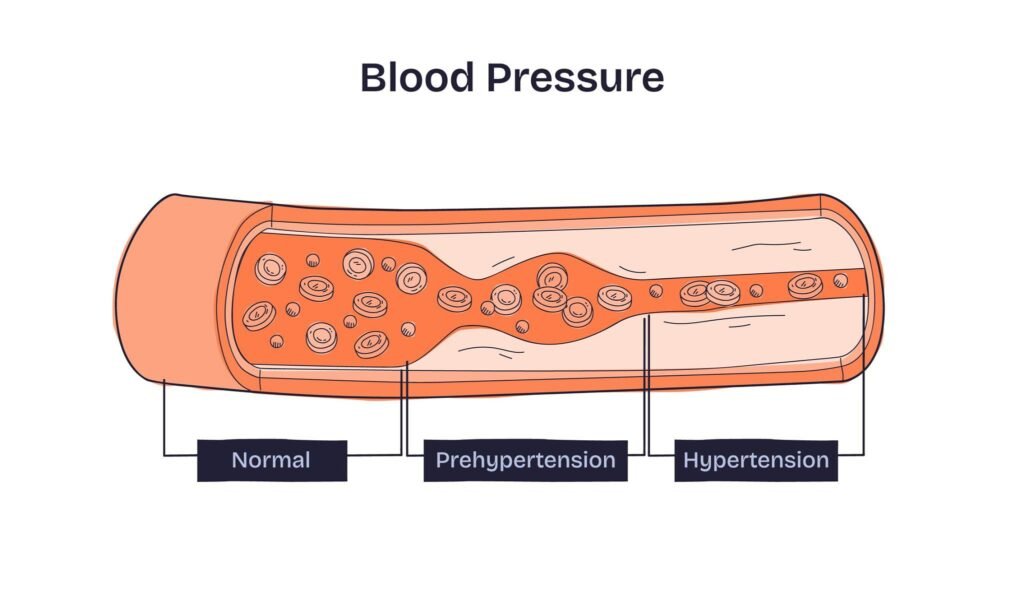
The British Heart Foundation notes that when you’re dehydrated, less blood circulates through your body, which can lower blood pressure and cause dizziness. Your heart may beat faster to compensate, adding a subtle strain that builds over time when dehydration becomes a regular pattern rather than an occasional lapse.
The Subtle Signs of Chronic Dehydration
Chronic dehydration rarely announces itself clearly. These signs are easy to miss individually, or to blame on something else entirely.
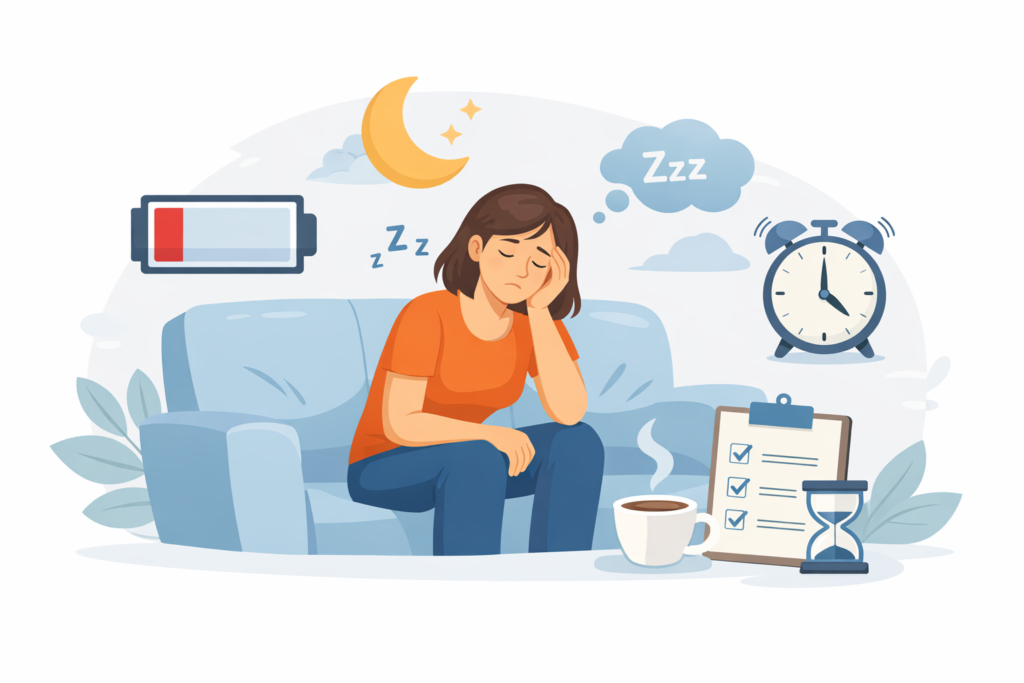
- Persistent low energy: fatigue is one of the most commonly reported symptoms of ongoing dehydration, particularly in older adults, according to research on dehydration in ageing populations.
- Frequent headaches: dehydration is a well-documented headache and migraine trigger, and it’s often overlooked as a cause when a headache develops.
- Dark yellow urine: the NHS notes this as a clear, practical sign. Pale yellow generally indicates good hydration, while dark yellow signals it’s time to drink more.
- Dry mouth, lips, or skin: these are often among the earliest physical signs, even before thirst itself becomes noticeable.
- Difficulty concentrating: even mild dehydration has been shown to affect mood and cognitive performance, including focus and short-term memory.
- Dizziness on standing: a drop in blood pressure from reduced fluid volume can cause lightheadedness when moving from sitting to standing.
Frequent headaches alongside these signs are worth paying attention to. Our guide on Understanding Migraines vs. Regular Headaches covers dehydration as one of several common triggers worth ruling out.
Who Is Most at Risk of Chronic Dehydration
Certain groups face higher risk of ongoing dehydration, often without realising it.
- Older adults: the sense of thirst naturally diminishes with age, meaning older adults often don’t feel thirsty even when their body genuinely needs fluid.
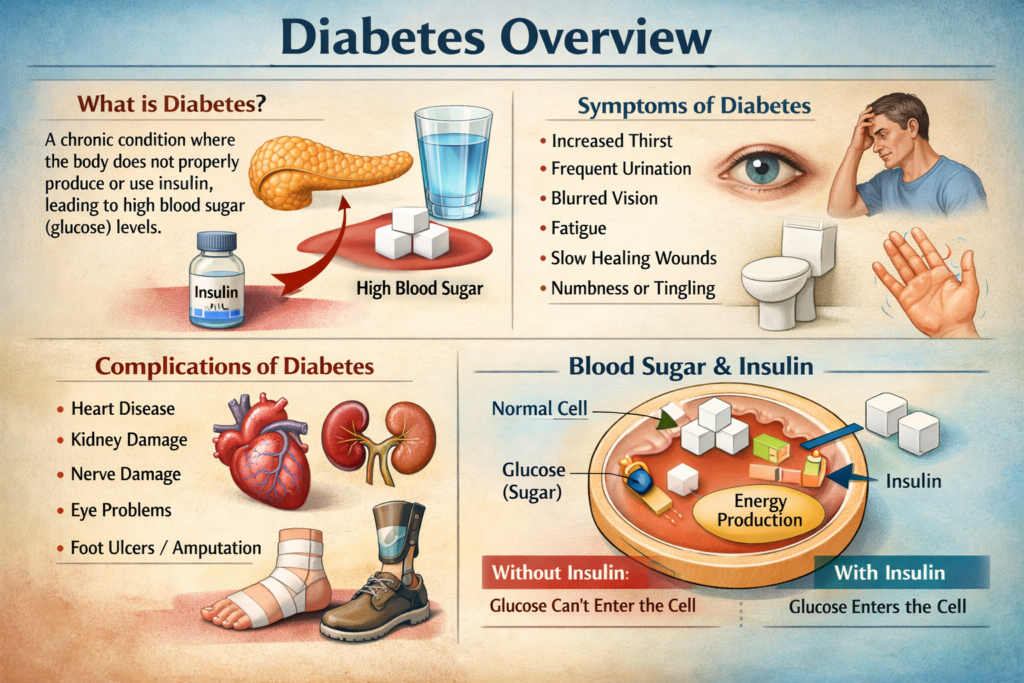
- People with diabetes: higher blood sugar levels increase urination, which raises fluid loss and dehydration risk.
- People who drink a lot of caffeine or alcohol: both act as mild diuretics, increasing fluid loss through more frequent urination.
- Athletes and physically active people: sweat leads to significant fluid loss, particularly during long or intense exercise sessions.
- People with certain long-term conditions: conditions that affect fluid balance can raise dehydration risk even with normal drinking habits.
- People who simply forget to drink: busy schedules and desk-based work make it easy to go hours without water, without any noticeable trigger to remind you.
How Much Water Do You Actually Need?
The commonly cited “eight glasses a day” rule is a reasonable starting point, but individual needs vary based on body size, activity level, climate, and overall diet. NHS Royal Devon recommends 6 to 8 cups of fluid throughout the day for most adults, increasing that amount on hot days or during exercise to make up for extra fluid lost through sweat.
Water counts, but so do other fluids and water-rich foods. Don’t wait until you feel thirsty to drink, since thirst is often a sign that mild dehydration has already begun. Checking urine colour remains one of the simplest, most reliable ways to monitor your hydration status throughout the day.
When Dehydration Becomes a Medical Concern
Most dehydration is mild and resolves quickly with fluids. However, certain signs need urgent medical attention rather than home management.
Seek medical help if you or someone else experiences:
- confusion or unusual drowsiness
- a rapid heartbeat or breathing
- not urinating for eight hours or more
- inability to keep fluids down due to vomiting
- blue, grey, pale, or blotchy skin, lips, or tongue
These can indicate severe dehydration, which sometimes requires hospital treatment with fluids delivered directly into the body. The NHS guide to dehydration provides further detail on symptoms, causes, and when to seek help.
Key Takeaways
- Chronic dehydration builds gradually and often shows up as fatigue, headaches, or difficulty concentrating rather than obvious thirst.
- By the time thirst is noticeable, mild dehydration is often already present, which is why waiting to feel thirsty isn’t a reliable strategy.
- Older adults, people with diabetes, and those who drink a lot of caffeine or alcohol face elevated risk.
- Dark yellow urine is one of the simplest, most practical ways to check your hydration status throughout the day.
- Most adults need roughly 6 to 8 cups of fluid daily, more during exercise or hot weather, though individual needs vary.
- Confusion, rapid heartbeat, or not urinating for eight hours or more are signs of severe dehydration that need urgent medical attention.
Final Thoughts
Chronic dehydration is easy to live with unknowingly, since its symptoms rarely feel dramatic enough to connect back to something as simple as fluid intake. Low energy gets blamed on a busy week. A headache gets blamed on screen time. Often, the missing piece is something as basic as a glass of water.
Before reaching for coffee or pushing through fatigue, try a genuinely simple experiment: drink a full glass of water and wait twenty minutes. If energy or focus improves, that’s a meaningful clue worth paying attention to.
Hydration is rarely dramatic. It’s just consistent.
Medical Disclaimer: The information on this page is provided for educational and informational purposes only and is not intended as medical advice. It should not replace consultation with a qualified healthcare professional. For full details, please read our Disclaimer.