The causes of high cholesterol go well beyond what’s on your plate. Many people eat carefully, exercise regularly, and still get a cholesterol reading that surprises them at their next check-up. This isn’t unusual, and it isn’t a sign you’re doing something wrong. Genetics, hormones, certain medical conditions, and even some medications can raise cholesterol independently of diet entirely.
This article covers the lesser-known factors that affect cholesterol levels, so you understand the full picture the next time your results come back higher than expected.
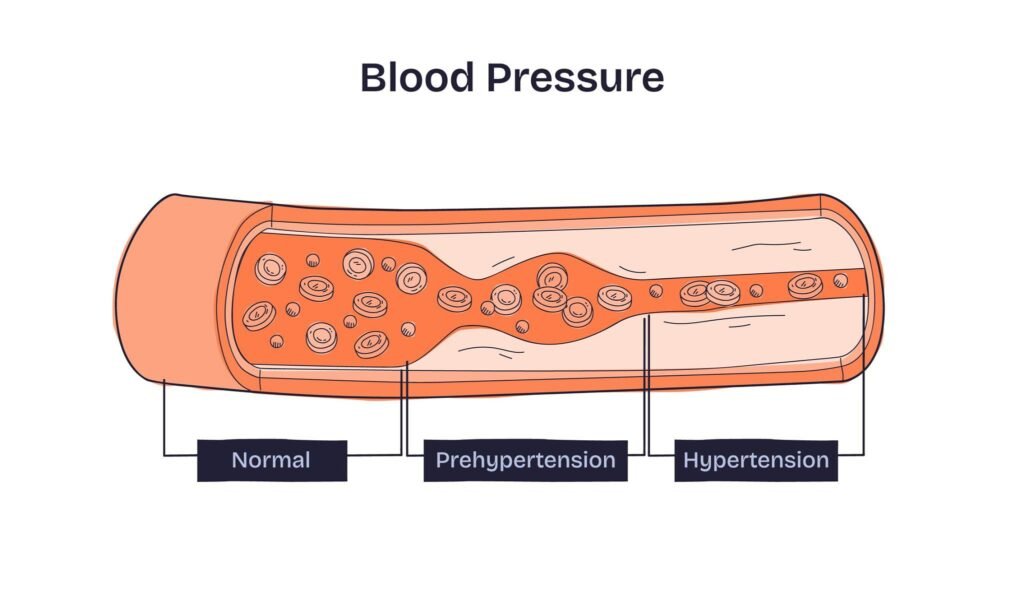
For more on how cholesterol connects to broader cardiovascular risk, read our guide on Blood Pressure Numbers: What They Mean.
Causes of High Cholesterol: Genetics
Diet plays a real role in cholesterol, but genetics often plays a bigger one than people expect. Familial hypercholesterolaemia is an inherited condition that causes high cholesterol from a young age, regardless of diet or lifestyle. HEART UK notes that this condition affects roughly 1 in 250 people, yet it remains significantly underdiagnosed.
If a parent or sibling has high cholesterol, particularly if it developed early in life or led to heart problems before age 60, it’s worth mentioning to your doctor. A family history like this often points toward a genetic cause rather than a lifestyle one.
Causes of High Cholesterol: Underlying Medical Conditions
Several health conditions can raise cholesterol as a secondary effect, independent of what you eat.
- Hypothyroidism: an underactive thyroid slows metabolism significantly, which can raise LDL cholesterol as a direct result.
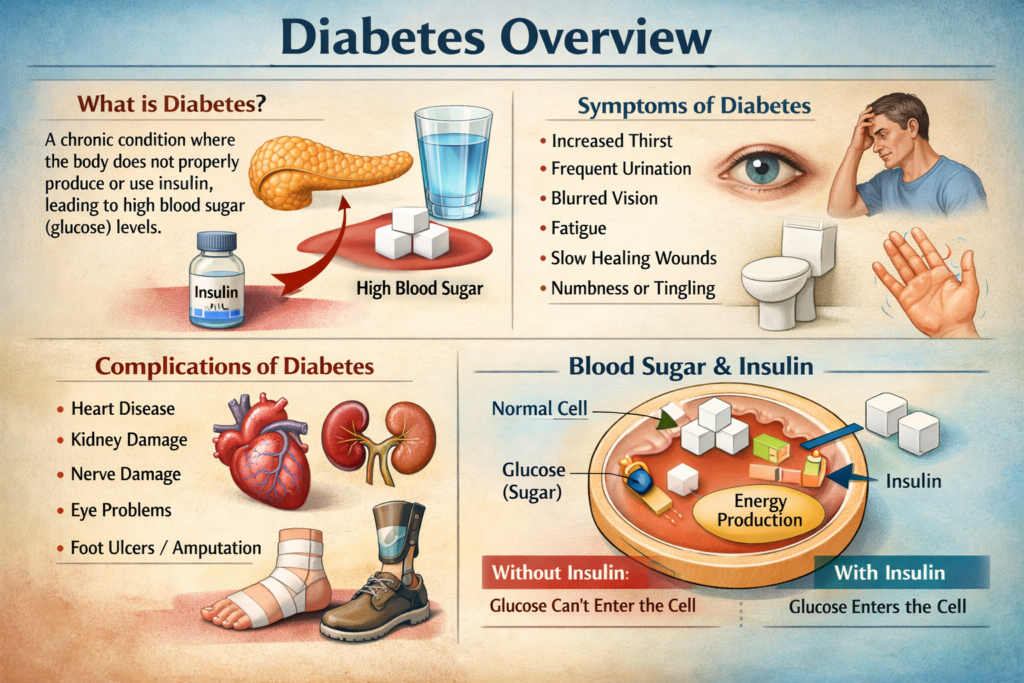
- Type 2 diabetes: insulin resistance affects how the body processes fats, often raising triglycerides and lowering protective HDL cholesterol.
- Kidney disease: nephrotic syndrome and chronic kidney disease can both disrupt normal cholesterol metabolism.
- Liver disease: since the liver produces and processes cholesterol, liver dysfunction can throw levels off significantly.
- Polycystic ovary syndrome: PCOS is linked to higher LDL cholesterol and lower HDL cholesterol in many women, tied to its effects on insulin resistance.
Managing these underlying conditions often improves cholesterol levels meaningfully, sometimes more than dietary changes alone would.
Causes of High Cholesterol: Medications
Certain medications list elevated cholesterol as a known side effect. This doesn’t mean stopping them is the right move. It means your doctor should factor this in when reviewing your results.
- certain diuretics used for blood pressure
- some beta-blockers
- corticosteroids, including long-term steroid use
- certain hormonal medications, including some contraceptives
- some antiretroviral medications used for HIV treatment
Never stop a prescribed medication because of a cholesterol concern without speaking to your doctor first. In most cases, the medication’s benefit still outweighs a manageable rise in cholesterol.
Causes of High Cholesterol: Age, Sex, and Hormones
Cholesterol naturally shifts across life stages, independent of anything you’re doing differently.
- Ageing: cholesterol levels tend to rise gradually as the body ages, partly due to slower metabolism and changes in how the liver clears cholesterol from the blood.
- Menopause: declining oestrogen levels around menopause are linked to a rise in LDL cholesterol and a drop in HDL cholesterol, which is part of why cardiovascular risk increases for women after menopause.
- Pregnancy: cholesterol rises naturally during pregnancy to support the developing baby, and typically returns to baseline after delivery.
Causes of High Cholesterol: Other Lifestyle Factors Beyond Food
Diet gets most of the attention, but several other everyday factors influence cholesterol just as directly.
- Smoking: smoking damages blood vessels and lowers protective HDL cholesterol, making it easier for LDL to build up in artery walls.
- Physical inactivity: a sedentary lifestyle is linked to higher LDL and lower HDL, independent of body weight.
- Chronic stress: prolonged stress can raise cholesterol through its effects on hormones like cortisol, and through stress-related behaviours like poor sleep.
- Excess body weight, particularly around the abdomen: this pattern of fat storage is linked to higher LDL and triglycerides, even in people whose diet appears reasonably balanced.
Ongoing inflammation can also play a role in cardiovascular risk alongside cholesterol. Our guide on Inflammation 101: How to Know if You Have It and What to Eat Next covers this connection in more detail.
When to Get Tested
The NHS offers a cholesterol check as part of the NHS Health Check for adults aged 40 to 74 without existing cardiovascular disease. Your GP may recommend earlier or more frequent testing if you have a family history of high cholesterol, an existing condition linked to cholesterol changes, or other cardiovascular risk factors.
A simple blood test measures your levels, and your doctor can help you understand what your specific results mean for your overall cardiovascular risk. The NHS guide to high cholesterol provides further detail on testing, causes, and treatment options.
Key Takeaways
- The causes of high cholesterol extend well beyond diet, including genetics, medical conditions, medications, and hormonal changes.
- Familial hypercholesterolaemia is an inherited condition affecting roughly 1 in 250 people, often underdiagnosed despite causing high cholesterol from a young age.
- Conditions like hypothyroidism, type 2 diabetes, kidney disease, and PCOS can all raise cholesterol independent of diet.
- Certain medications, including some diuretics, beta-blockers, and steroids, list elevated cholesterol as a known side effect.
- Age, menopause, smoking, inactivity, and chronic stress all influence cholesterol levels beyond what’s on your plate.
Final Thoughts
Understanding the full range of causes of high cholesterol matters, especially if you’ve made genuine dietary changes without seeing the results you expected. Diet is one piece of a much larger picture, and sometimes the more significant factor is genetic, hormonal, or tied to another condition entirely.
If your cholesterol remains high despite consistent lifestyle changes, that’s worth a direct conversation with your doctor rather than more restriction. There may be a specific, addressable reason behind it that diet alone was never going to fix.
Know the full picture before you blame the plate.
Medical Disclaimer: The information on this page is provided for educational and informational purposes only and is not intended as medical advice. It should not replace consultation with a qualified healthcare professional. For full details, please read our Disclaimer.