Persistent inflammation can show up in many ways. You might feel unusually tired, wake up with aching joints, or experience sudden skin flare-ups. Some people also notice unexplained weight gain, while others struggle with digestive issues that seem to last for weeks.
Each of these seems unrelated. But in many cases, they share one underlying driver: inflammation.
Inflammation is one of the most discussed topics in modern health, and for good reason. It sits behind many of the conditions people struggle with daily, from persistent fatigue to digestive discomfort to skin problems. Yet most people aren’t sure what it actually means for their body or what they can do about it.
What Inflammation Actually Is
Inflammation isn’t a disease. It’s a process — one the immune system uses to protect and repair the body.
When the body detects something harmful, whether an infection, an injury, or a foreign substance, it sends immune cells to the area. Those cells release chemical signals that increase blood flow, raise local temperature, and begin clearing out the threat. This produces the familiar signs: redness, swelling, warmth, and pain.
Think of inflammation as the body’s internal emergency response team. When a genuine threat appears, the team shows up, handles the problem, and stands down. That’s acute inflammation, and it’s essential for survival.
The problem arises when the emergency team never fully stands down. When the body stays in a low-level state of alert for months or years without a clear infection or injury to resolve, doctors call that chronic inflammation. It’s quieter, slower, and far more damaging over time.
Acute Versus Chronic Inflammation
Acute Inflammation
This is short-term and purposeful. It appears quickly after injury or infection and typically resolves within days.
Examples include:
- A cut with red, swollen edges
- Throat discomfort during an infection
- Rapid swelling after a sprained ankle
Once the body clears the threat, the immune response winds down and healing continues. This type of inflammation is healthy and necessary.
Chronic Inflammation
This is long-term and low-grade. The immune system remains active even when there’s nothing to fight, and over time, this ongoing activity damages healthy tissue.
Researchers have linked chronic inflammation to:
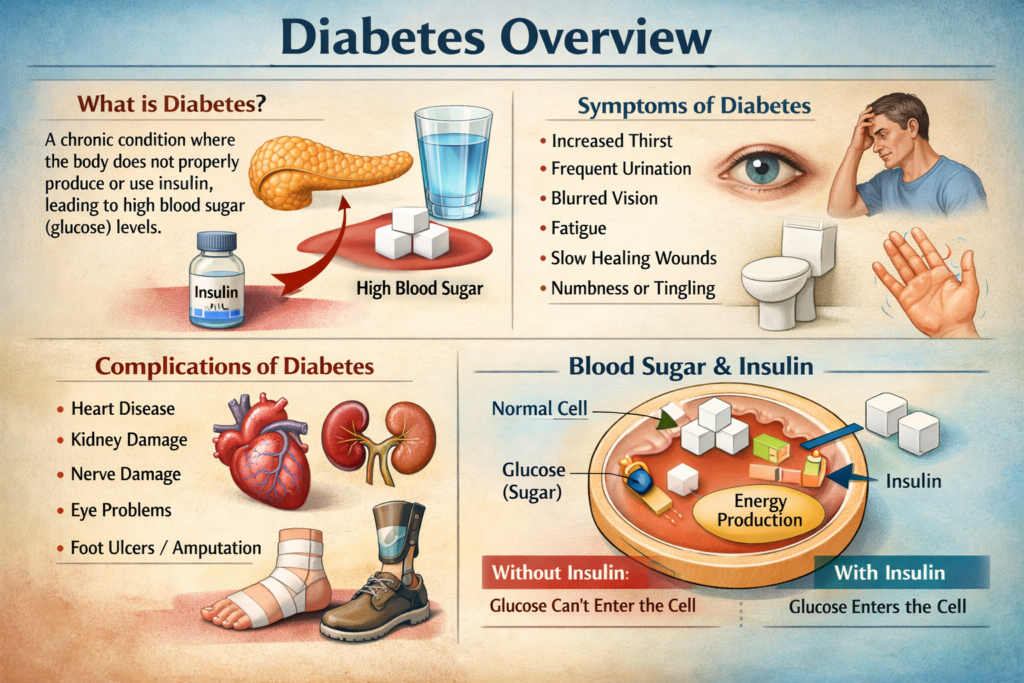
- The development of type 2 diabetes
- Some forms of cancer
- Autoimmune conditions, such as rheumatoid arthritis
- Depression or anxiety disorders
- Digestive health problems
Because it develops slowly and quietly, many people live with chronic inflammation for years without realising it.
What Causes Chronic Inflammation
Several everyday factors can push the immune system into a prolonged state of low-level activation.
Poor Diet
Diets high in refined carbohydrates, added sugar, processed meats, and industrial seed oils consistently promote inflammatory activity. These foods raise blood sugar rapidly and generate compounds that trigger immune responses.
Excess Body Weight
Fat tissue, particularly around the abdomen, produces inflammatory chemical signals. The more excess fat the body carries, the higher the background level of inflammation tends to be.
Chronic Stress
Prolonged stress keeps stress hormones elevated. Over time, this disrupts immune regulation and contributes to a persistent inflammatory state.
Poor Sleep
Sleep is when the body performs key repair and immune regulation, so consistently poor or insufficient sleep raises inflammatory markers in the blood.
Physical Inactivity
Regular movement helps regulate the immune system and lower inflammation, while a sedentary lifestyle removes this benefit.
Smoking and Excessive Alcohol
Both release harmful substances that irritate body tissues and promote chronic inflammatory processes.
Unresolved Infections or Gut Imbalance
Infections the body never fully clears, along with imbalances in the gut’s bacterial environment, can keep the immune system activated over long periods.
How to Know if You Have Chronic Inflammation
Chronic inflammation doesn’t always produce obvious symptoms. It often works quietly in the background. However, certain signs commonly accompany it.
Common Signs
- Persistent fatigue that rest doesn’t fully resolve
- Joint stiffness or aching, particularly in the morning
- Frequent digestive discomfort such as bloating or irregular bowel movements
- Skin conditions including acne, eczema, or persistent redness
- Recurring infections suggesting the immune system is preoccupied
- Brain fog or difficulty concentrating
- Unexplained weight gain, especially around the abdomen
- Low mood that persists without an obvious reason
These signs aren’t exclusive to inflammation — they can have many other causes. Still, a pattern across several of them is worth discussing with a healthcare professional.
How Doctors Confirm It
Blood tests can measure inflammation. The most commonly used markers include:
- C-reactive protein (CRP) — rises when inflammation is present
- Erythrocyte sedimentation rate (ESR) — another general marker of inflammatory activity
- White blood cell count — rises during immune activation
These tests don’t identify the cause on their own, but they help confirm whether significant inflammation is present and guide further investigation.
What to Eat to Reduce Inflammation
Diet is one of the most consistently studied influences on inflammation. Certain foods reliably reduce inflammatory activity, while others reliably increase it.
Foods That Help Reduce Inflammation
Oily fish Salmon, mackerel, sardines, and herring are rich in omega-3 fatty acids, which directly reduce inflammatory signalling in the body. Aim for at least two portions per week.
Leafy green vegetables Spinach, kale, and broccoli contain antioxidants and compounds that help neutralise inflammatory activity. They’re also rich in vitamins that support immune regulation.
Berries Blueberries, strawberries, and cherries contain flavonoids that reduce oxidative stress, a process closely tied to inflammation.
Olive oil Extra virgin olive oil contains oleocanthal, a compound with properties similar to anti-inflammatory medication. It works best as a regular cooking oil rather than an occasional addition.
Nuts Walnuts and almonds provide healthy fats, fibre, and antioxidants that support an anti-inflammatory environment in the body.
Whole grains Oats, brown rice, and wholemeal bread digest more slowly than refined grains, which can lead to steadier blood sugar and a lower inflammatory response.
Turmeric and ginger Both contain well-studied anti-inflammatory compounds. Research shows that curcumin, turmeric’s active ingredient, reduces inflammatory markers, and using these spices regularly in cooking provides a consistent benefit.
Legumes Lentils, beans, and chickpeas are high in fibre and plant protein. They support gut health and help regulate the immune system from the inside.
Foods That Tend to Increase Inflammation
Reducing these consistently is as important as adding anti-inflammatory foods:
- Sugary drinks and fruit juices with added sugar
- Refined carbohydrates such as white bread, white rice, and pastries
- Fried foods and fast food
- Processed meats including sausages, bacon, and packaged deli meats
- Margarine and products containing partially hydrogenated oils
- Excessive alcohol
No single meal causes chronic inflammation. The pattern over time matters far more than individual choices.
Other Lifestyle Factors That Lower Inflammation
Diet is important, but it works best alongside other consistent habits.
- Regular physical activity — moderate exercise reduces inflammatory markers. Even 30 minutes of brisk walking most days makes a measurable difference.
- Consistent sleep — seven to nine hours of quality sleep allows the body to regulate inflammation overnight.
- Stress management — activities that lower the body’s stress response, including breathing exercises, time outdoors, or quiet rest, help reduce inflammation-promoting hormones.
- Not smoking — stopping smoking is one of the single most effective steps for reducing whole-body inflammation.
- Maintaining a healthy weight — even modest weight loss in people with excess weight can produce measurable reductions in inflammatory markers.
When to See a Doctor
You should arrange a medical review if:
- Fatigue, joint pain, or digestive symptoms persist for several weeks
- Symptoms are worsening over time
- You have a family history of autoimmune or inflammatory conditions
- You notice unexplained weight changes alongside other symptoms
- Over-the-counter remedies aren’t providing relief
Seek prompt care if you develop sudden severe joint swelling, chest pain, significant digestive bleeding, or symptoms that appear rapidly and feel serious. These may indicate conditions requiring urgent assessment.
Key Takeaways
- Inflammation is a normal immune response, and it only becomes a problem when it persists long-term without a clear cause
- Chronic inflammation develops quietly and plays a role in many long-term health conditions
- Common signs include persistent fatigue, joint aching, digestive discomfort, skin flare-ups, and brain fog
- Blood tests such as CRP can help confirm the presence of significant inflammation
- An anti-inflammatory diet built around oily fish, vegetables, berries, olive oil, and whole grains consistently reduces inflammatory activity
- Reducing processed food, refined carbohydrates, and added sugar is equally important
- Sleep, regular movement, and stress management support these dietary changes and help lower inflammation from multiple directions
Conclusion
Inflammation isn’t something to fear. In its normal form, it keeps you well. The goal isn’t to eliminate it, but to prevent it from becoming a permanent background state.
For most people, a combination of whole, minimally processed foods, regular movement, and adequate sleep is enough to shift the body away from a chronically inflamed state. These aren’t short-term fixes — they’re adjustments that compound over time.
If you suspect inflammation is affecting your health, a conversation with a healthcare professional is a good first step. Testing is straightforward, and so is the path forward once you understand what your body needs.
For more on how your immune system responds to infection, read our article on How to Break a Fever in Adults Naturally. You may also find it helpful to read about Antibiotic Resistance: Why Your UTI Might Not Respond to Meds Anymore.
Medical Disclaimer: The information on this page is provided for educational and informational purposes only and is not intended as medical advice. It should not replace consultation with a qualified healthcare professional.
For full details, please read our Disclaimer.