What causes frequent dizziness is a question worth taking seriously, even though dizziness itself is rarely a sign of anything dangerous. It’s genuinely common. Most cases resolve without needing serious investigation. Still, frequent or persistent dizziness deserves attention, since it can point to something worth addressing.
This article covers the most common causes behind dizziness, the warning signs that need prompt medical attention, and what actually helps in the moment.
Nutrition plays a role in dizziness too, particularly around low blood sugar and dehydration. Our guide on How Much Protein Do You Really Need? covers a related piece of that nutritional picture.
What Causes Frequent Dizziness: The Common Culprits
Dizziness can come from a wide range of sources. It’s not always easy to identify the underlying cause without a proper evaluation.
- Inner ear problems: if you feel dizzy lying down, this is usually caused by a viral ear infection. Benign paroxysmal positional vertigo, triggered by specific head movements, is the single most common cause overall.
- Low blood pressure on standing: known as postural hypotension, this causes lightheadedness when you stand up too quickly.
- Heart rhythm problems: conditions like atrial fibrillation, a fast or irregular heartbeat, can trigger dizziness episodes.
- Certain medications: antidepressants and blood pressure medication are both known to cause dizziness as a side effect.
- Alcohol and recreational drugs: both binge drinking and long-term alcohol misuse are recognised causes.
- Carbon monoxide poisoning: a less common but serious cause, particularly worth ruling out if dizziness comes with headaches or nausea at home.
What Causes Frequent Dizziness: The Blood Pressure Connection
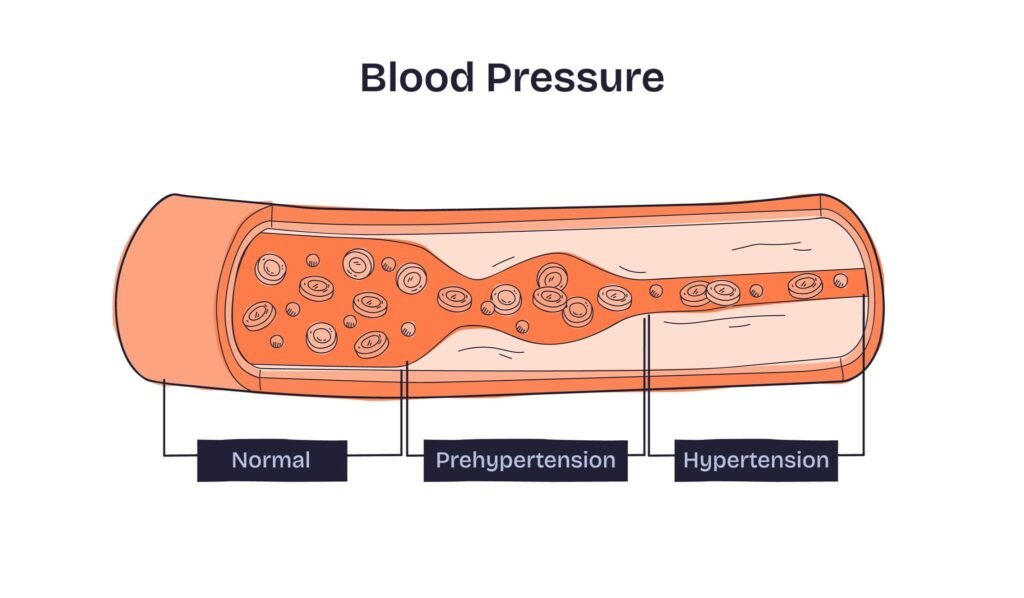
Blood pressure issues are among the most common, treatable causes of ongoing dizziness. Both unusually low and unusually high blood pressure can play a role, depending on the specific pattern.
Understanding your own numbers makes it much easier to spot when blood pressure might be behind your symptoms. Our guide on Blood Pressure Numbers: What They Mean covers exactly what your readings actually indicate.
Read more on our article on how Family meal planning made easy.
Vertigo Versus General Dizziness
Not all dizziness feels the same, and the distinction matters for diagnosis. Vertigo specifically means feeling like you, or your surroundings, are spinning or moving. General dizziness can feel more like lightheadedness or unsteadiness instead, without that spinning sensation.
Vertigo often points toward an inner ear or balance system issue. General dizziness has a broader range of possible causes, spanning blood pressure, blood sugar, medication side effects, and more
Read more on How Stress Affects Your Digestive System.
What to Do When Dizziness Strikes
A few immediate steps help manage dizziness safely while it passes.
- Lie down until it passes: then get up slowly afterward, rather than standing quickly.
- Avoid anything dangerous: don’t drive, climb a ladder, or use heavy machinery while feeling dizzy.
- Note any accompanying symptoms: changes to your pulse, fainting, headaches, or feeling sick can offer useful clues about the cause.
- Don’t self-diagnose: see a GP if you’re genuinely worried, rather than assuming the cause without proper evaluation.
When Frequent Dizziness Needs Medical Attention
Occasional, brief dizziness rarely signals anything serious. Some patterns are worth raising with a doctor sooner rather than later.
- dizziness that keeps recurring over several weeks
- dizziness alongside chest pain, breathlessness, or fainting
- sudden, severe dizziness with slurred speech or weakness on one side
- dizziness that follows a head injury
- persistent vertigo that doesn’t improve with rest
Dizziness often resolves once the underlying cause gets treated. Getting a proper diagnosis is the fastest route to lasting relief, rather than repeatedly managing symptoms without knowing why they’re happening.
The NHS guide to dizziness covers further detail on causes and self-care.
Key Takeaways
- What causes frequent dizziness ranges from inner ear problems and blood pressure issues to medication side effects and alcohol use.
- Benign paroxysmal positional vertigo is the most common single cause, triggered specifically by certain head movements.
- Vertigo, a spinning sensation, differs from general lightheadedness, and the distinction helps guide diagnosis.
- Lying down until dizziness passes, then rising slowly, is the safest immediate response.
- Recurring dizziness, or dizziness with chest pain, fainting, or weakness, needs prompt medical evaluation.
Final Thoughts
Understanding what causes frequent dizziness takes a lot of the anxiety out of a symptom that’s usually more unsettling than dangerous. Most cases trace back to a specific, identifiable, and treatable cause. Getting a proper diagnosis matters more than guessing at home indefinitely.
If dizziness has been showing up regularly, don’t just wait it out hoping it resolves on its own. A GP visit can identify the cause and point you toward real, lasting relief.
Recurring dizziness has a reason. It’s worth finding out what it is.
Ooo Medical Disclaimer: The information on this page is provided for educational and informational purposes only and is not intended as medical advice. It should not replace consultation with a qualified healthcare professional. For full details, please read our Disclaimer.