Figuring out how much protein you really need shouldn’t feel confusing. Advice on this topic has been genuinely mixed for years. Harvard experts offer a clearer starting point. The standard Recommended Dietary Allowance is 0.8 grams of protein per kilogram of body weight. That’s the minimum needed to avoid deficiency, not necessarily the ideal amount for everyone.
This article breaks down the real numbers, who needs more, and practical ways to actually hit your daily target.
Protein needs rise specifically for people building strength. Our guide on Strength Training for Beginners covers this connection in more depth.
The Basic Protein Number to Know
For the average adult, 0.8 grams per kilogram of body weight is the baseline. To find your number in pounds, multiply your weight by 0.36. A 150-pound person would need roughly 54 grams of protein daily under this minimum guideline.
This number represents the floor, not necessarily the ceiling. Many experts believe the ideal intake sits higher for most people, depending on age, activity level, and overall health goals.
Who Genuinely Needs More Protein
Requirements aren’t identical for everyone. Several factors push your actual protein needs higher than the baseline minimum.
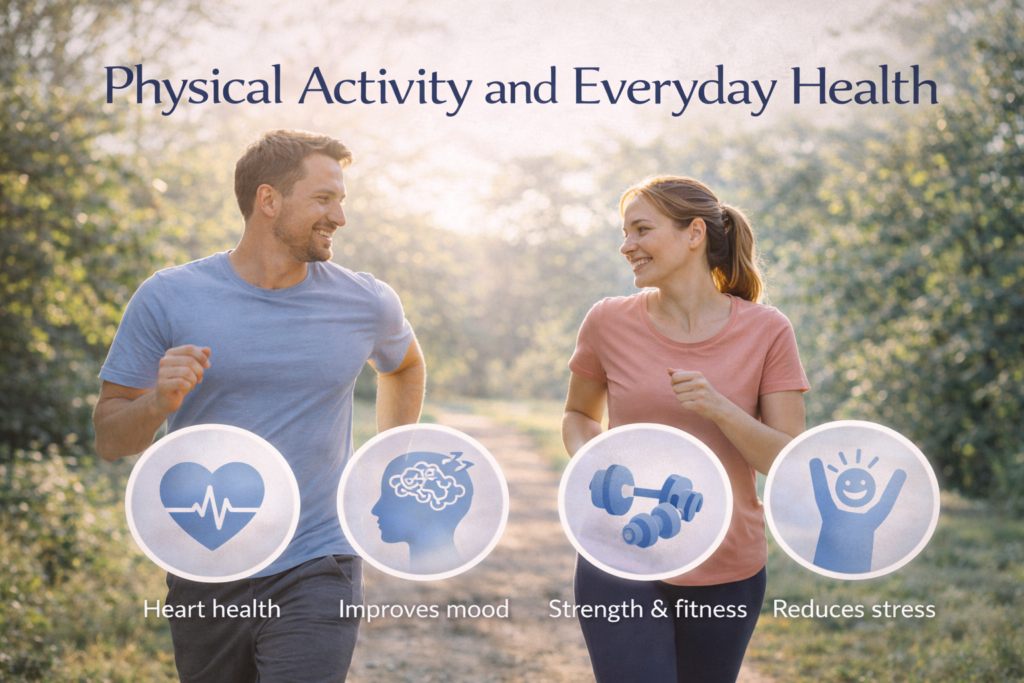
- Active people and athletes: those trying to build or preserve muscle need more than sedentary adults. Harvard experts suggest 1.2 to 2.0 grams per kilogram for this group.
- Older adults: after age 40, people naturally start losing muscle. Eating more protein helps preserve what you have.
- Pregnant and breastfeeding women: requirements rise specifically during these life stages, to support both mother and baby.
- People recovering from illness or surgery: your body needs extra protein during recovery, to repair tissue and support healing.
Spreading Your Intake Through the Day
Timing matters almost as much as the total amount. Aim for roughly 25 to 30 grams of protein at each meal, and at least 10 grams at each snack.
Don’t get caught up chasing an exact daily number. It won’t hurt if you eat 60 grams one day and 90 the next. Consistency across most days matters more than hitting a precise figure every single time.
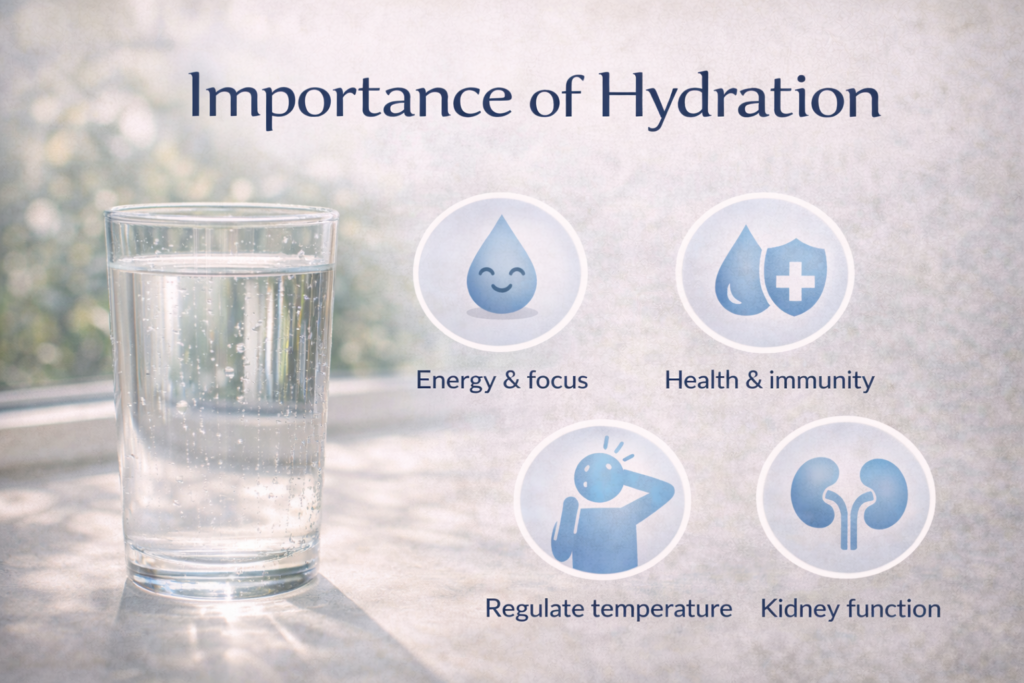
Low blood sugar and dehydration can also cause lightheadedness, so nutrition plays a role beyond muscle and strength too. Our guide on What Causes Frequent Dizziness? covers this connection in more depth.
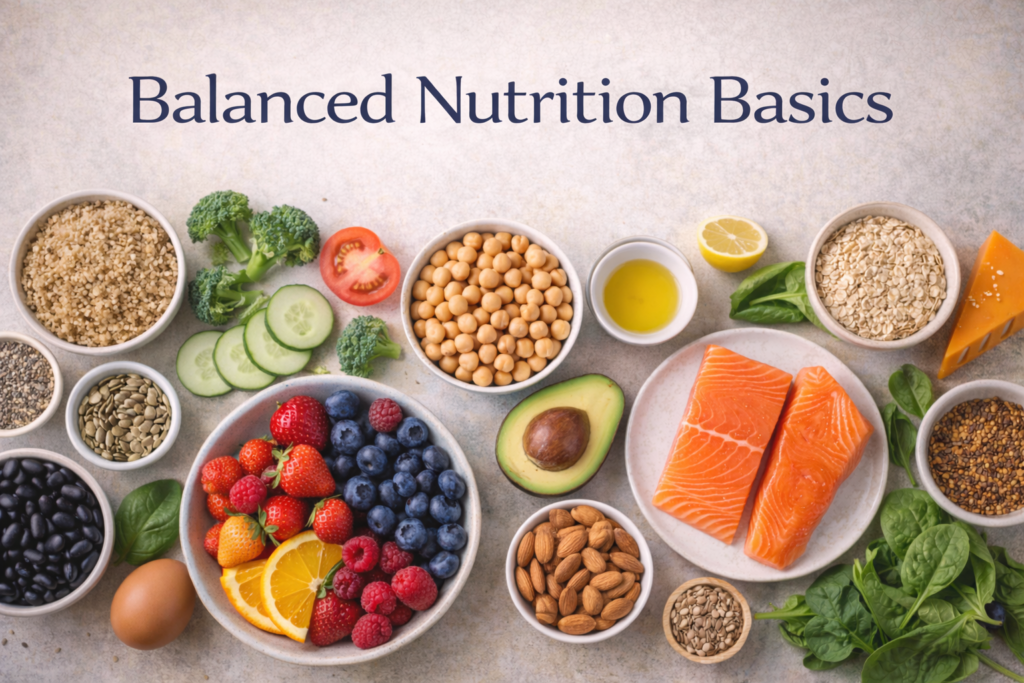
Good Sources of Protein to Include
Quality matters as much as quantity here. A few reliable sources cover most people’s needs well.
- Lean poultry: chicken and turkey offer high-quality protein without the saturated fat found in some red meat.
- Fatty fish: salmon and tuna provide protein alongside heart-protecting omega-3 fats.
- Eggs and dairy: both offer a complete amino acid profile, and moderate daily intake doesn’t appear to raise heart disease risk.
- Beans, lentils, and nuts: excellent plant-based options, especially valuable for anyone reducing animal protein.
- Tofu and soy-based foods: a reliable source for people following a plant-only diet.
Can You Eat Too Much Protein?
Yes, genuinely. For most healthy adults, experts recommend keeping total intake below 2 grams per kilogram of body weight. Very high protein diets, especially those heavy in red meat, carry real risks. These include a higher chance of kidney stones and, in some cases, heart disease.
If you have an existing condition like kidney disease, talk to your doctor before increasing your intake significantly. Tracking protein closely matters more for specific groups than for the average healthy adult.
The Harvard Health guide to protein intake covers this balance in further detail.
Key Takeaways
- Understanding how much protein you really need starts with the baseline RDA of 0.8 grams per kilogram of body weight.
- Active people, older adults, and pregnant or breastfeeding women typically need more than the standard minimum.
- Spreading protein across meals, roughly 25 to 30 grams each, supports your body better than eating it all at once.
- Lean poultry, fish, eggs, beans, and nuts all provide high-quality protein without excessive saturated fat.
- Very high intake carries real risks, including kidney stones, so more isn’t automatically better.
Final Thoughts
Knowing how much protein you really need removes a lot of unnecessary guesswork from your diet. Most healthy adults do well somewhere between the baseline minimum and a moderately higher target, depending on activity level and life stage. There’s no need to obsess over exact grams every single day.
Start by calculating your baseline number this week. Notice how your current diet compares. Small, consistent adjustments, spread evenly across your meals, matter far more than chasing a perfect daily total.
Protein isn’t about extremes. It’s about consistency.
Medical Disclaimer: The information on this page is provided for educational and informational purposes only and is not intended as medical advice. It should not replace consultation with a qualified healthcare professional. For full details, please read our Disclaimer.