Eating clean is one of the most popular approaches to healthy eating in the world — and one of the least clearly defined. Ask ten people what it means and you will get ten different answers. No processed food. Only whole foods. Nothing with more than five ingredients. No refined sugar. The phrase sounds simple and virtuous. In practice, however, it creates confusion, anxiety, and an all-or-nothing relationship with food.
Research consistently links that rigid all-or-nothing approach to worse eating outcomes — not better ones. So is eating clean a scam? Not exactly. The instinct behind it — eat more whole foods, eat fewer heavily processed products — is nutritionally sound. But the way clean eating has been packaged, marketed, and applied has moved well beyond that sensible instinct. It has become something more rigid, more anxiety-producing, and less evidence-based than most people realise.
This article unpacks what the science actually says about processed food, what clean eating gets right and what it gets dangerously wrong, and how to build a genuinely healthy relationship with food — without guilt, rigid rules, or a $12 bag of activated charcoal.
To understand how your diet connects to inflammation and chronic disease, read our guide on Inflammation 101: How to Know if You Have It and What to Eat Next.
What Does Eating Clean Actually Mean?
The term eating clean has no universally agreed definition — and that is the first problem. It emerged as a wellness concept in the early 2000s. Social media, fitness culture, and a wave of books and influencers then popularised it, promising that eliminating processed food would transform health, energy, and body composition.
In its broadest form, clean eating promotes:
- eating whole, minimally processed foods
- avoiding or eliminating refined sugar, white flour, and processed oils
- reading ingredient labels and avoiding products with long or unfamiliar ingredient lists
- choosing organic where possible
- eating food in as close to its natural state as possible
None of these principles are inherently harmful. The problem arises when people apply them rigidly and use them to divide all food into clean and unclean categories. That binary does not exist in nutrition science. Applying it has real consequences for how people relate to food and eating.
What the Science Says About Processed Food and Eating Clean
To understand whether eating clean is meaningful or misleading, you first need to understand what processed food actually is. Not all processed food is the same — and this distinction is critical.
The NOVA classification — the most useful framework for eating clean decisions
Researchers at the University of São Paulo developed the NOVA classification system. It divides food into four groups based on the extent and purpose of processing — not on nutrient content alone.
Group 1 — Unprocessed or minimally processed foods
These are whole foods in their natural or near-natural state. Fruits, vegetables, meat, fish, eggs, nuts, seeds, plain yoghurt, and plain milk all fall here. Clean eating promotes these most strongly — and the science agrees they form the foundation of a healthy diet.
Group 2 — Processed culinary ingredients
These are substances extracted from Group 1 foods and used in cooking. Olive oil, butter, salt, sugar, flour, and vinegar all belong here. Their role in a diet is to prepare and cook Group 1 foods. In the quantities used in normal home cooking, they are not inherently harmful.
Group 3 — Processed foods
These foods combine Group 1 and Group 2 items, often with salt, oil, sugar, or vinegar added for preservation or taste. Tinned fish, tinned vegetables, cured meats, artisan bread, cheese, and most fermented foods fall into this group. Many of them are nutritious, widely consumed across healthy populations, and have been part of human diets for centuries.
Group 4 — Ultra-processed foods
These are foods manufactured primarily from industrial ingredients — refined starches, sugars, fats, protein isolates, flavourings, colourings, emulsifiers, and preservatives — with little to no whole food content. Mass-produced snacks, soft drinks, instant noodles, sweetened cereals, and fast food all fall here.
This is where the research becomes significant. Ultra-processed foods now account for nearly 60 percent of calorie consumption among US adults, according to Stanford Medicine research published in 2025. Studies consistently link high ultra-processed food intake to increased risks of obesity, type 2 diabetes, cardiovascular disease, and certain cancers. A 2023 research review confirmed associations between ultra-processed food consumption and increased risks across multiple chronic disease categories.
The distinction matters enormously. Clean eating treats a tin of sardines and a bag of crisps as equally problematic because both have undergone processing. The NOVA framework makes clear they belong to entirely different categories with entirely different health implications.
What Eating Clean Gets Right
Despite its problems, eating clean gets several things genuinely right. These are worth keeping even after you discard the rigid ideology around them.
Prioritising whole foods is genuinely evidence-based
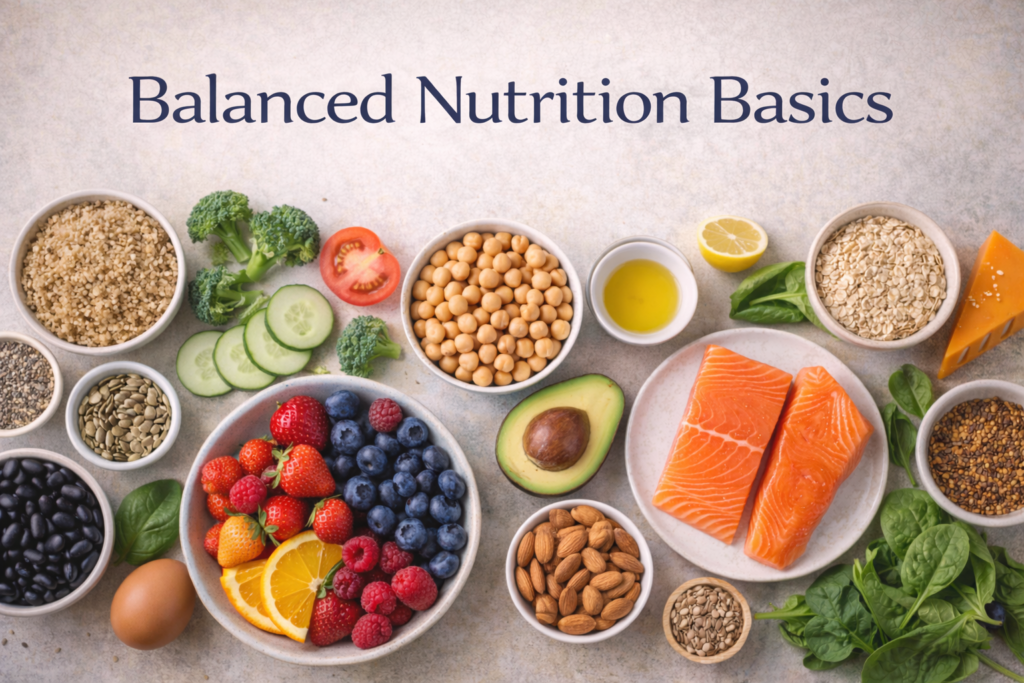
Diets built around vegetables, fruits, whole grains, legumes, nuts, seeds, and quality proteins consistently show better health outcomes across virtually every category of research. Every major nutrition authority — the NHS, the World Health Organization, and Harvard School of Public Health — agrees on this foundation. That agreement holds regardless of which specific diet pattern each organisation recommends.
Reducing ultra-processed food genuinely helps
The research linking ultra-processed foods to poor health outcomes is substantial and growing. Reducing your intake of Group 4 foods — specifically the heavily industrialised, additive-laden products dominating modern supermarket shelves — is one of the most impactful dietary changes most people can make.
Reading ingredient labels is a useful skill
Understanding what is in packaged food helps you distinguish between a product with a short list of recognisable ingredients and one built primarily from industrial additives. Clean eating popularised this habit. That is a genuine net positive.
Cooking from whole ingredients more often is beneficial
People who cook at home more frequently show better diet quality, lower calorie intake, and better long-term health outcomes than those relying heavily on ready-made and takeaway food. The more meals you prepare from whole ingredients, the more control you have over what goes into your food.
What Eating Clean Gets Dangerously Wrong
The problems with eating clean as it is commonly practised are significant and worth understanding clearly.
It moralises food in ways that damage mental health
The language of clean eating — clean versus dirty, pure versus contaminated, good versus bad — frames eating as a moral act rather than a nutritional one. Research published in the Journal of the Academy of Nutrition and Dietetics links clean eating ideology to orthorexia nervosa. This is an obsessive preoccupation with eating pure food that significantly impairs quality of life. Experts classify it as a disordered eating pattern.
When someone cancels social plans to avoid impure food, experiences intense guilt after eating something processed, or spends significant mental energy managing food purity daily, clean eating has crossed from a dietary preference into a psychological problem.
It treats all processed food as equally harmful — which is false
Tinned tomatoes, frozen vegetables, plain yoghurt, canned fish, sourdough bread, and cheese are all processed. They are also among the most nutritious and most widely recommended foods in evidence-based nutrition. Clean eating condemns them all without nutritional justification.
Frozen vegetables are often more nutritious than fresh vegetables stored for several days. Freezing preserves water-soluble vitamins that degrade during transport and refrigerated storage. Tinned fish provides omega-3 fatty acids and complete protein in an affordable, long-life format. These foods are processed — and they are good for you.
It is not accessible to everyone
Clean eating in its most prominent forms requires significant financial resources, time, cooking skills, and access to specific shops and ingredients. Organic produce, fresh fish, unprocessed whole grains, and specialist health food products are not equally available or affordable across all communities. Framing healthy eating as achievable only through expensive whole food preparation ignores the real constraints of most people’s lives and budgets.
It has no agreed definition and commercial brands exploit this
Because clean eating has no scientific or regulatory definition, any product or brand can use the language to market itself. Protein bars, flavoured waters, packaged snacks, and supplement ranges routinely describe themselves as clean. Many of them are precisely the kind of industrial food product that clean eating theoretically opposes. The absence of a clear definition makes the concept easy to weaponise for commercial purposes.
Reframing Your Relationship with Eating Clean and Processed Food
The alternative to eating clean is not eating carelessly. It is eating with informed flexibility — understanding the genuine evidence about food processing, applying it practically, and building a relationship with food that is sustainable, enjoyable, and free from moral anxiety.
Focus on the overall pattern, not individual foods
No single food makes or breaks a diet. A diet built predominantly around vegetables, fruits, whole grains, quality proteins, and healthy fats supports good health across the long term. A biscuit does not undo that pattern. A week of predominantly ultra-processed food does erode it.
Nutrition research consistently shows that dietary patterns over time determine health outcomes — not individual food choices. The obsessive scrutiny of individual foods that clean eating promotes misses this fundamental point entirely.
Use the ultra-processed food category as your guide
Instead of asking “is this clean?” ask “is this ultra-processed?” The NOVA Group 4 category gives you a meaningful, evidence-based distinction. A tin of sardines in olive oil is processed — not ultra-processed. A bag of cheese-flavoured corn puffs is ultra-processed. These are genuinely different things, and treating them as equivalent is nutritionally inaccurate.
Reduce ultra-processed food gradually rather than eliminating all processed food
Research from Stanford Medicine confirms that occasionally eating ultra-processed food is not a significant health concern for most people. The problem occurs when it dominates the diet — accounting for the majority of daily calories consistently over time. Gradual reduction, replacing some ultra-processed meals with home-cooked alternatives, produces meaningful improvements. It does so without the psychological cost of rigid restriction.
Remove the moral dimension from food entirely
Food is not clean or dirty. It is not good or bad. It is more or less nutritious, more or less processed, more or less suitable as a regular dietary staple. Making nutritional decisions from a place of information and flexibility produces better outcomes than decisions driven by guilt and fear.
People with a neutral, flexible relationship with food — who eat birthday cake without guilt and salad without virtue — consistently show better long-term dietary patterns. Those who apply rigid rules experience the inevitable cycle of restriction and overcorrection that rigid rules produce.
For more on how to build a sustainable approach to eating that supports both physical and mental health, read our article on Intuitive Eating for Type 2 Diabetes: Can It Work?.
A Practical Framework for Eating Well Without the Eating Clean Ideology
Here is a simple, evidence-based alternative to eating clean that does not require rigid rules, expensive ingredients, or moral anxiety about food:
- Build most meals around whole foods — vegetables, fruits, whole grains, legumes, quality proteins, and healthy fats. Aim for these to make up the majority of what you eat across a typical week.
- Cook from scratch more often than not — not every meal, not perfectly, but more often than relying on ready-made and takeaway food. Simple home cooking gives you far more control over ingredients than any packaged product.
- Reduce ultra-processed food — not all processed food — by identifying the Group 4 products appearing most frequently in your diet and gradually replacing some of them with whole food alternatives.
- Read ingredient lists with curiosity, not anxiety — understanding what is in packaged food is useful. Feeling panicked by an ingredient you do not recognise is not.
- Enjoy food without guilt — eating something outside the clean eating definition at a birthday party or a difficult week does not undo a good overall diet. Enjoyment and social eating are not nutritional failures.
- Seek professional guidance if food causes significant anxiety — if thinking about food takes up significant mental energy, or if dietary restrictions are affecting your social life, speak with a GP or a registered dietitian.
The NHS guide to eating a balanced diet provides straightforward, evidence-based guidance on what a healthy diet looks like — without the moralising language or rigid rules of clean eating culture.
Key Takeaways
- Eating clean has no agreed scientific definition — making it easy to misapply, easy to exploit commercially, and difficult to sustain without creating food anxiety.
- Not all processed food is equal. The NOVA classification distinguishes between minimally processed whole foods, processed culinary ingredients, traditionally processed foods, and ultra-processed industrial products — four categories with very different health implications.
- Ultra-processed foods — Group 4 in the NOVA system — link consistently to increased risks of obesity, type 2 diabetes, cardiovascular disease, and certain cancers. Reducing their intake is evidence-based advice.
- Tinned fish, frozen vegetables, plain yoghurt, sourdough bread, and cheese are processed — but they are also nutritious and widely recommended. Clean eating’s blanket condemnation of all processed food is nutritionally inaccurate.
- The moral language of clean eating — clean versus dirty, pure versus contaminated — links to disordered eating patterns including orthorexia nervosa. Food carries no moral charge. It is simply more or less nutritious.
- A sustainable healthy diet builds on predominantly whole foods, home cooking most of the time, reduced ultra-processed food intake, and a flexible, guilt-free relationship with the full range of food.
- Seek professional support if thinking about food causes significant anxiety, if food rules affect your social life, or if restriction and guilt feature regularly in your eating experience.
Final Thoughts
The instinct behind eating clean — eat real food, cook more, eat less junk — is good. The execution, as it has evolved through wellness culture, social media, and commercial exploitation, is often not. A sensible principle became a rigid ideology that makes people feel guilty for eating a tin of beans, anxious at birthday parties, and virtuous for spending $15 on a cold-pressed juice.
The science does not support clean eating as a concept. It supports eating predominantly whole foods, reducing ultra-processed products, and building a dietary pattern that is sustainable, enjoyable, and based on evidence rather than fear. That approach is simpler, kinder, and more effective — and it does not require a label.
Eat well most of the time. Enjoy food the rest of the time. That is not a scam. That is just nutrition.
Medical Disclaimer: The information on this page is provided for educational and informational purposes only and is not intended as medical advice. It should not replace consultation with a qualified healthcare professional. For full details, please read our Disclaimer.