Simple lifestyle changes for a healthier heart matter more than most people realise. Your lifestyle is your best defence against heart disease and stroke. The American Heart Association confirms this clearly. Following a few consistent steps can reduce the modifiable risk factors behind heart disease, heart attack, and stroke, often significantly.
This article covers exactly what genuinely protects your heart, based on real guidance rather than scattered advice.
Understanding your own numbers makes these changes far more meaningful. Our guide on Blood Pressure Numbers: What They Mean covers exactly what your readings indicate.
Simple Lifestyle Changes for a Healthier Heart: Move More
Physical activity is one of the most powerful tools for heart health. The American Heart Association recommends at least 150 minutes of moderate activity each week, or 75 minutes of vigorous activity. Spreading this across the week works better than cramming it into one or two sessions.
You don’t need a gym to see real benefit. Getting up and moving throughout the day genuinely counts, even without dedicated exercise time. Adding muscle-strengthening activity twice a week offers further protection on top of regular movement.
Eating for a Healthier Heart
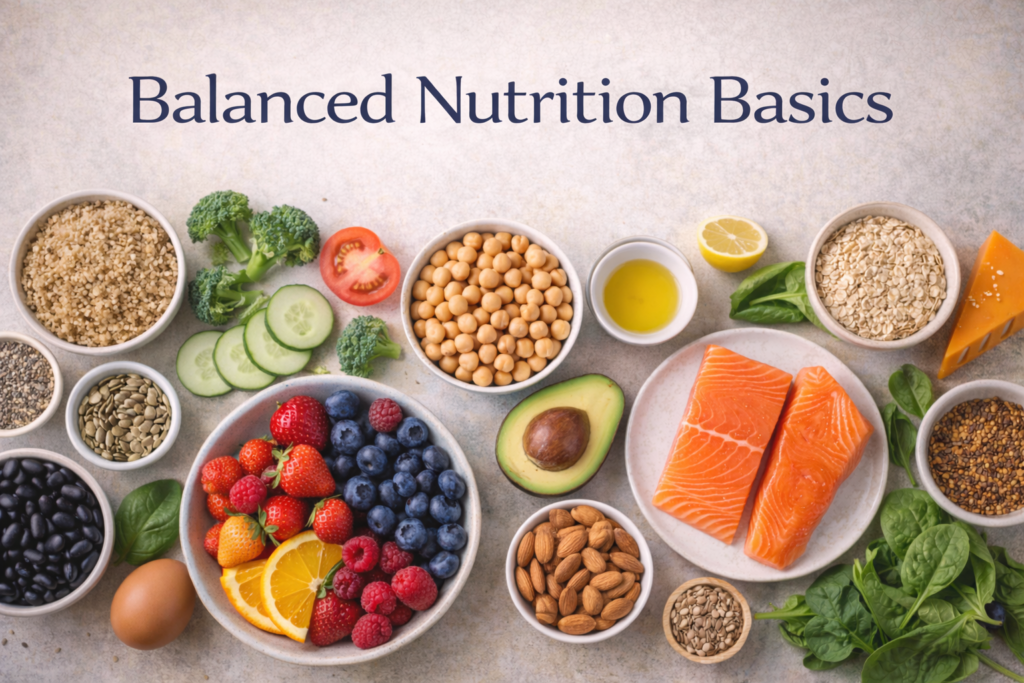
Diet plays a direct, well-documented role in heart health. A Mediterranean-style eating pattern consistently ranks among the most protective options available.
- Fill your plate with variety: fruits, vegetables, whole grains, beans, legumes, nuts, and seeds all support cardiovascular health.
- Limit saturated and trans fats: trim fat from meat, choose lean cuts, and swap butter for low-fat alternatives where you can.
- Watch your sodium intake: aim for no more than 2,300 milligrams of sodium daily, roughly one teaspoon of salt. An ideal target sits closer to 1,500 milligrams for most adults.
- Limit added sugar: sugary foods and drinks contribute to several risk factors at once, including weight gain and blood sugar imbalance.
Simple Lifestyle Changes for a Healthier Heart: Manage Key Numbers
Working with your healthcare professional to keep cholesterol, blood pressure, and blood sugar at healthy levels is a core part of heart protection. These numbers often shift gradually, without obvious symptoms, making regular checks genuinely important.
Diet, exercise, and medication, where prescribed, all work together to manage these factors effectively. Our guide on What Causes High Cholesterol Besides Diet covers the lesser-known factors worth understanding too.
Sleep, Stress, and Your Heart
Getting a good night’s sleep every night is vital to your heart health, not just a side benefit of healthy living. Poor sleep is linked to higher rates of heart attack and other cardiovascular problems over time.
Stress management matters just as much. Chronic stress is linked to behaviours that raise the risk for heart disease and stroke, from poor sleep to unhealthy coping habits. Building in regular stress relief genuinely protects your heart, not just your mood.
Habits Worth Quitting or Limiting
A few specific habits carry outsized risk for heart health, making them worth addressing directly.
- Quit smoking: even exposure to secondhand smoke poses a serious health hazard. Quitting remains one of the single most impactful steps for heart protection.
- Limit alcohol: recent guidance increasingly points toward avoiding alcohol for blood pressure management specifically.
- Address excess weight: extra weight causes your heart to work harder, raising risk for heart disease, high blood pressure, and high cholesterol together.
It’s Never Too Late to Start
Making heart-healthy changes matters at any age, not just earlier in life. Research shows that even starting regular exercise in middle age can improve blood vessel function and reduce cardiovascular risk meaningfully.
As much as 80% of heart disease and stroke is genuinely preventable through consistent lifestyle habits. That statistic alone makes these changes worth prioritising, regardless of where you’re starting from.
The American Heart Association’s guide to preventing heart disease covers further detail on these steps.
Key Takeaways
- Simple lifestyle changes for a healthier heart centre on movement, nutrition, sleep, and managing key health numbers consistently.
- At least 150 minutes of moderate activity weekly, spread across several days, genuinely protects cardiovascular health.
- A Mediterranean-style diet, limited in sodium and saturated fat, ranks among the most protective eating patterns available.
- Quality sleep and consistent stress management both directly support heart health, not just general wellbeing.
- As much as 80% of heart disease is preventable, and it’s never too late to start building protective habits.
Final Thoughts
Simple lifestyle changes for a healthier heart don’t require a dramatic overhaul. A short daily walk. A plate built around whole foods. Consistent sleep. Regular checks on your key numbers. These ordinary habits carry genuinely extraordinary protective power over time.
Start with one change this week. Add a 20-minute walk, swap one processed meal for a home-cooked one, or book the check-up you’ve been postponing. Small, consistent steps are exactly what the evidence shows protects your heart for decades to come.
Your heart responds to how you treat it, one day at a time.
Medical Disclaimer: The information on this page is provided for educational and informational purposes only and is not intended as medical advice. It should not replace consultation with a qualified healthcare professional. For full details, please read our Disclaimer.