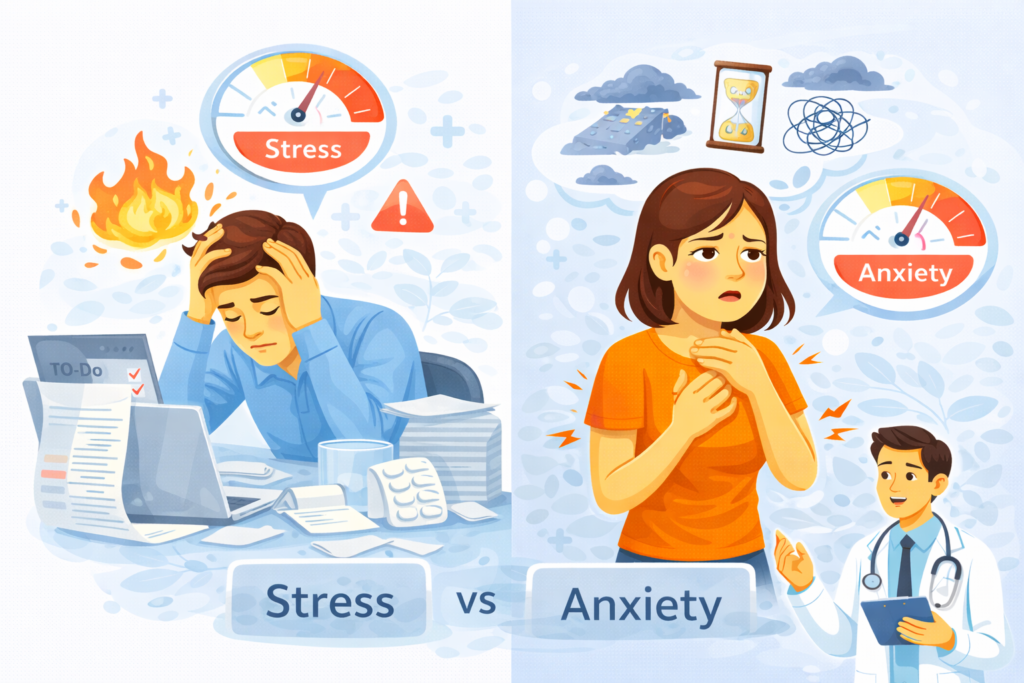
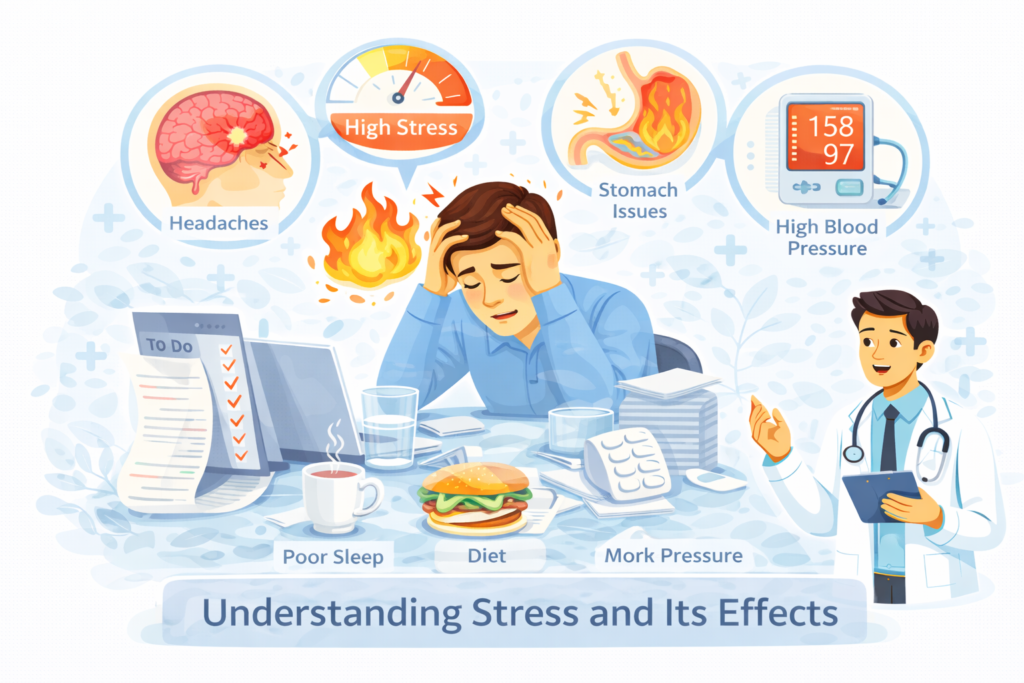
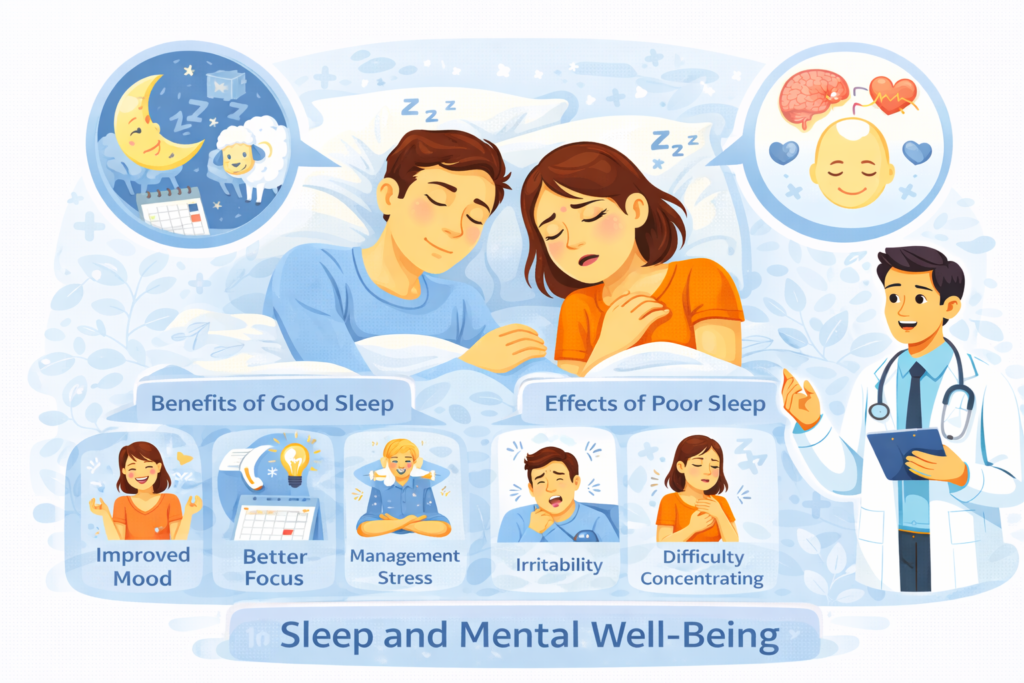
Creating healthy work-life boundaries used to be simpler. A clear line once separated the office from home. That line has mostly disappeared. Mayo Clinic notes that work is likely to invade your personal life today, unless you actively create a boundary yourself. When work and personal life stay out of balance, stress tends to climb quickly.
This article covers exactly what pulls these boundaries apart, and the specific, practical steps that help you hold them in place.
Protecting your time often starts with a single word. Our guide on Why Saying No Protects Your Mental Health covers exactly why this matters.
Why Work-Life Boundaries Keep Slipping
Technology connects you to work from virtually anywhere, at any time. Without a deliberate boundary, there’s often nothing stopping that access from taking over.
Increased responsibility makes this harder too. Working extra hours regularly often leads to more responsibility being handed your way. That added weight can create new pressure, rather than relief. Without clear limits, work and other obligations can quietly consume the time meant for the people and activities you actually care about.
Creating Healthy Work-Life Boundaries: Setting Real Limits
Boundaries work best when they’re specific, not vague intentions you hope to follow.
- Learn to say no, respectfully: saying no to an extra project, or a request outside your capacity, protects time for what matters most. It isn’t rude. It’s necessary.
- Leave work at work: make a conscious decision to separate work time from personal time, especially if you work from home.
- Shorten commitments where you can: most people sustain real focus for no more than 90 minutes at a stretch. Build your schedule with that limit in mind.
- Minimise interruptions: getting pulled away from a task often costs double or triple the interruption’s length in lost focus afterward.
Practical Steps for Creating Healthy Work-Life Boundaries
A few concrete habits make boundaries far easier to maintain day to day.
- Track where your time actually goes: awareness of your real schedule often reveals surprises, whether that’s work creeping into evenings or distractions eating into work hours.
- Use a shared calendar: putting both family events and work commitments on one calendar helps you spot conflicts before they happen.
- Create a physical signal for “work is over”: a short walk, turning off email notifications, or simply closing your laptop can mark the transition clearly.
- Ask about flexible arrangements: flex hours, compressed weeks, or remote days can help you do the same work while protecting more personal time.
- Build a support system: coworkers who can cover for each other, and people at home who can step in during busy periods, ease pressure on both sides.
When Boundaries Break Down Completely
Without consistent boundaries, chronic overwork often leads somewhere more serious than ordinary stress. Burnout develops gradually. It tends to affect people carrying a heavy workload, working long hours, or feeling they have little control over their work.
Recognising this pattern early makes a real difference. Our guide on Recognizing Burnout Before It Becomes Serious covers the specific warning signs worth watching for.
Creating Healthy Work-Life Boundaries as an Ongoing Practice
Boundaries aren’t something you set once and forget. Life shifts. Work demands change. What worked last year might not fit your current circumstances.
Revisit your limits periodically, rather than assuming they’ll hold indefinitely without adjustment. If your life feels too chaotic to manage despite genuine effort, talking with a professional, such as a counsellor, is a legitimate and often helpful step. Many employers offer an employee assistance programme specifically for this kind of support.
The Mayo Clinic guide to reclaiming work-life balance covers further practical strategies.
Key Takeaways
- Creating healthy work-life boundaries starts with specific, deliberate limits, not vague intentions to “work less.”
- Learning to say no respectfully protects your time for what genuinely matters, without needing guilt or justification.
- Simple habits, like a shared calendar and a clear end-of-workday signal, make boundaries far easier to maintain.
- Chronic overwork without boundaries can progress into burnout, making early recognition genuinely important.
- Boundaries need regular review, since work demands and personal circumstances shift over time.
Final Thoughts
Creating healthy work-life boundaries isn’t about achieving a perfect, permanent balance. It’s about staying intentional, even as circumstances keep shifting around you. Small, consistent limits protect far more than one dramatic overhaul ever could.
Start with one boundary this week. Close your laptop at a set time. Say no to one request that doesn’t genuinely fit your capacity. Small, protected pockets of time add up to something far more sustainable over the long run.
Your time is limited. Protect it on purpose.
Medical Disclaimer: The information on this page is provided for educational and informational purposes only and is not intended as medical advice. It should not replace consultation with a qualified healthcare professional. For full details, please read our Disclaimer.