The signs your immune system needs support are often easy to brush off. A cold that lingers. Constant tiredness. Cuts that heal slowly. These signals build quietly. Most people don’t connect them until they’ve been sick for the third time this season. Harvard Health notes that a healthy lifestyle is your first line of defence. It’s also the single best step you can take to support your immune system naturally.
This article covers the specific signs worth paying attention to. It also covers what genuinely helps, based on real evidence rather than trendy supplements.
For more on how gut health connects to overall immune function, read our guide on Simple Ways to Improve Gut Health.
Signs Your Immune System Needs Support
Some signs are subtle. Others are harder to ignore. Either way, they’re worth taking seriously.
- Frequent infections: catching colds often, or getting sick more than usual, can signal your defences need attention. Speak to a doctor if you experience four or more respiratory infections in a year.
- Slow wound healing: cuts and bruises that take longer than usual to heal can point to reduced immune function.
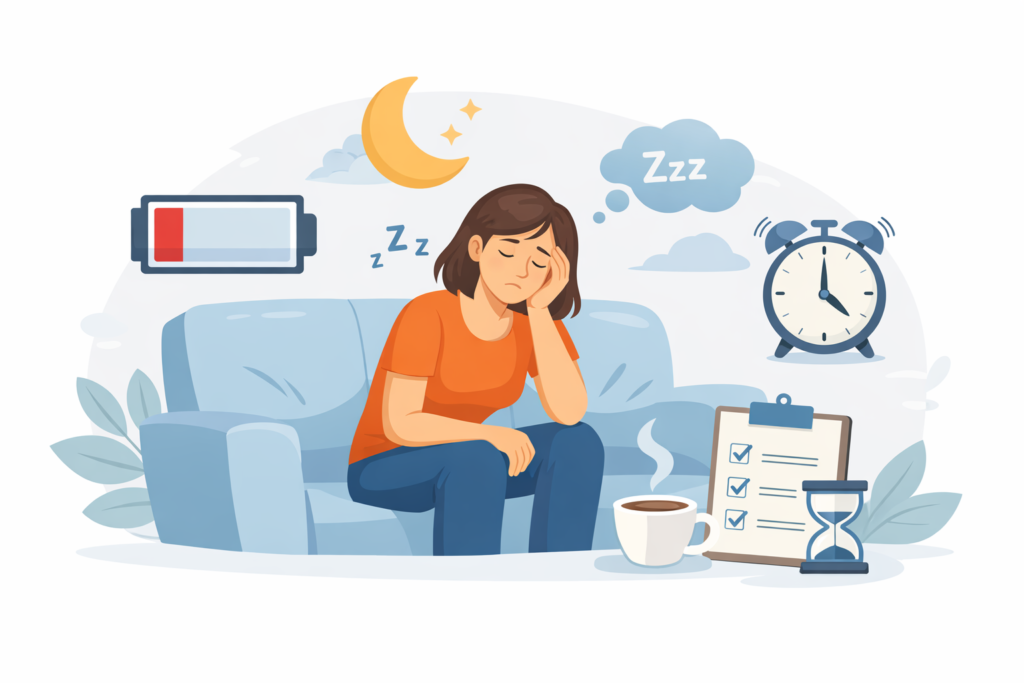
- Persistent fatigue: tiredness that doesn’t improve with rest often overlaps with a struggling immune system.
- Frequent digestive issues: a large portion of your immune system lives in your gut. Ongoing bloating, discomfort, or irregularity can be a related signal.
- Getting sick after stress: falling ill shortly after a demanding period at work or home isn’t a coincidence. Chronic stress genuinely suppresses immune function.
None of these signs mean something is seriously wrong on their own. Together, though, they’re worth paying attention to.
What Actually Supports Your Immune System
Harvard Health is clear on this point. There’s no single food or supplement that dramatically boosts immunity. General healthy-living strategies matter far more than any one product.
Read our Article on The Benefits of Strength Training for Beginners
Eat a genuinely balanced diet
The NHS recommends at least five portions of fruit and vegetables daily. This isn’t a vague suggestion. Vitamins C and D, along with zinc, play specific, well-documented roles in immune health. Whole foods deliver these nutrients more reliably than processed alternatives.
Prioritise sleep
Sleep and immunity are closely linked. Your body uses rest to regulate and strengthen immune function. Disrupted sleep interferes with these processes directly. This is one of the simplest, most overlooked signs your immune system needs support.
Stay physically active
Regular exercise contributes to general good health, and that includes a healthier immune system. You don’t need intense workouts. Consistent, moderate movement is genuinely enough.
Manage stress deliberately
Chronic psychological stress affects immune response measurably. This isn’t just a feeling. Researchers have studied the connection directly. Building in regular stress relief isn’t optional if you want your immune system functioning well.
Limit alcohol and don’t smoke
If you drink, moderation matters. Smoking suppresses immune function directly, through chemicals that reduce your body’s ability to fight pathogens. Quitting is one of the most impactful single steps available.
Stay hydrated
Water plays a role in producing lymph, which carries white blood cells throughout your body. The NHS recommends six to eight cups of fluid daily. This is a simple, often-missed piece of immune support.
The Role of Vitamin D
Vitamin D deserves specific mention. It plays a direct role in immune function, and deficiency is genuinely common, especially during winter months. Low vitamin D is linked to more frequent infections and slower recovery.
Our guide on Vitamin D Deficiency: Signs, Causes, and Treatment covers this connection in more detail, including who’s most at risk and how to correct it safely.
When to See a Doctor
Most immune dips resolve with basic lifestyle changes. Some situations need proper medical evaluation instead.
- four or more respiratory infections in a single year
- infections that take unusually long to clear
- wounds that consistently heal slowly
- a known condition or treatment affecting immune function
- persistent fatigue alongside frequent illness, without a clear explanation
Seeing a doctor doesn’t mean something is definitely wrong. It means ruling out a specific, treatable cause rather than guessing at home indefinitely.
The Harvard Health guide to boosting your immune system covers this research in further detail.
Key Takeaways
- The signs your immune system needs support include frequent infections, slow healing, persistent fatigue, and getting sick after stressful periods.
- There’s no single food or supplement that dramatically boosts immunity. General healthy-living habits matter far more.
- Sleep, regular movement, stress management, and a balanced diet all directly support immune function.
- Vitamin D plays a specific, well-documented role in immunity, and deficiency is common, especially in winter.
- Four or more infections a year, or wounds that heal slowly, are worth discussing with a doctor rather than managing alone.
Final Thoughts
Recognising the signs your immune system needs support is easier once you know what to actually look for. It’s rarely one dramatic symptom. It’s usually a pattern. Frequent colds. Slow healing. Tiredness that doesn’t lift. Together, they tell a clear story.
The good news is genuinely simple. The habits that support your immune system are the same ones that support your overall health. Sleep. Movement. Real food. Managed stress. None of it requires a special supplement or a dramatic overhaul.
Support the basics. Your immune system does the rest.
Medical Disclaimer: The information on this page is provided for educational and informational purposes only and is not intended as medical advice. It should not replace consultation with a qualified healthcare professional. For full details, please read our Disclaimer.