The link between sleep and mental health runs in both directions. Poor sleep affects your mood. Poor mood affects your sleep. The NHS confirms this directly. Getting enough sleep supports your mood, energy, and overall health. It’s not a minor detail. It’s central to how you function each day.
This article explains exactly how sleep and mental health interact. It covers what happens when the cycle breaks down, and practical steps to protect both.
For specific techniques to quiet a racing mind at bedtime, read our guide on How to Calm an Overactive Mind Before Bed.
Sleep and Mental Health: A Two-Way Street
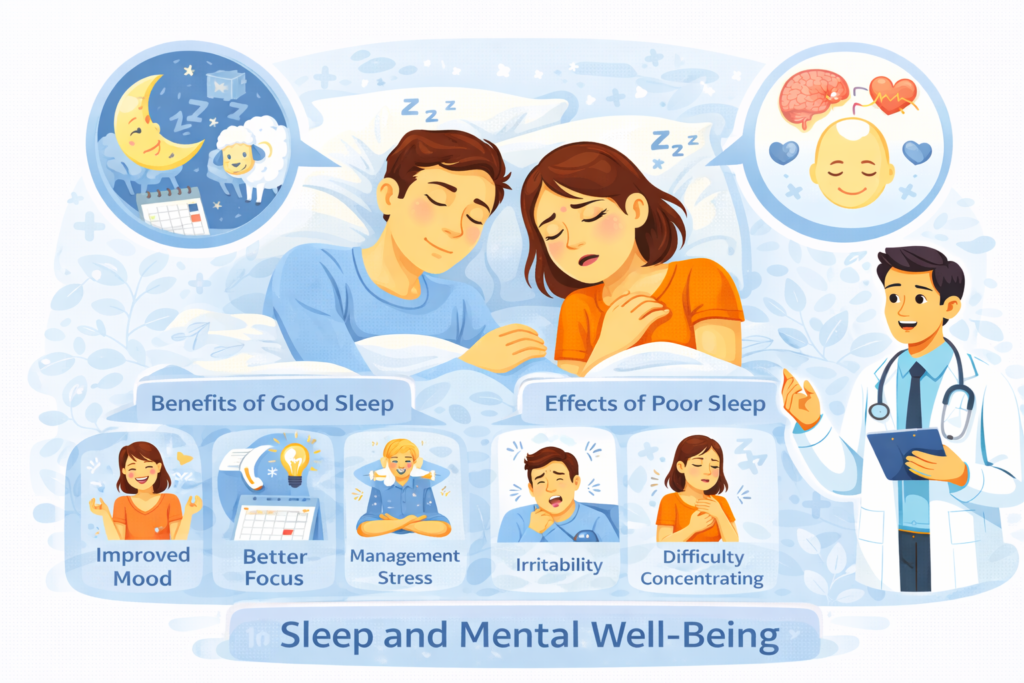
Stress, anxiety, and depression all affect sleep directly. They make it harder to fall asleep. They make it harder to stay asleep. They reduce overall sleep quality, even on nights you technically get enough hours.
The reverse is just as true. Interrupted sleep leads to fatigue. It leads to trouble concentrating. It leads to impaired judgement. These effects can further increase stress, anxiety, and depression. This creates a genuine cycle. Poor mental health disrupts sleep. Poor sleep worsens mental health. Around it goes.
What Poor Sleep Actually Does to Your Mind
Sleep isn’t just rest. It’s active repair work for your brain. Skipping it has real consequences.
- Emotional regulation weakens: tired brains react more strongly to negative experiences. Small frustrations can feel much bigger than they are.
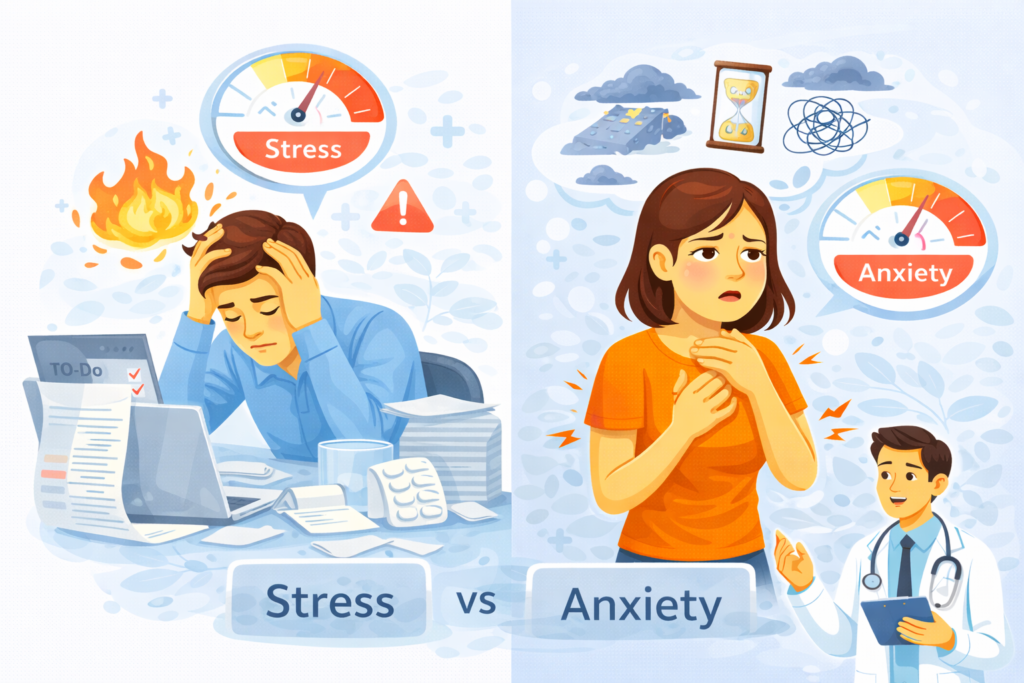
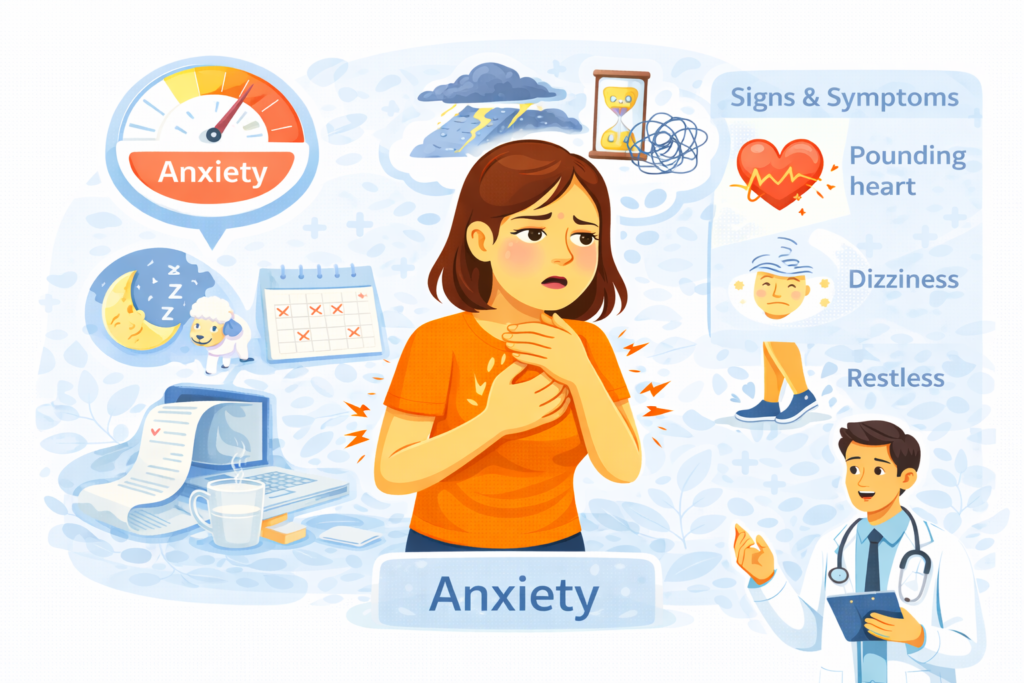
- Anxiety often intensifies: poor sleep and anxiety frequently feed each other, each one making the other harder to manage.
- Concentration and memory suffer: this affects daily functioning at work, at home, and in relationships.
- Risk of depression increases: chronic sleep problems are strongly linked to a higher risk of developing depression over time.
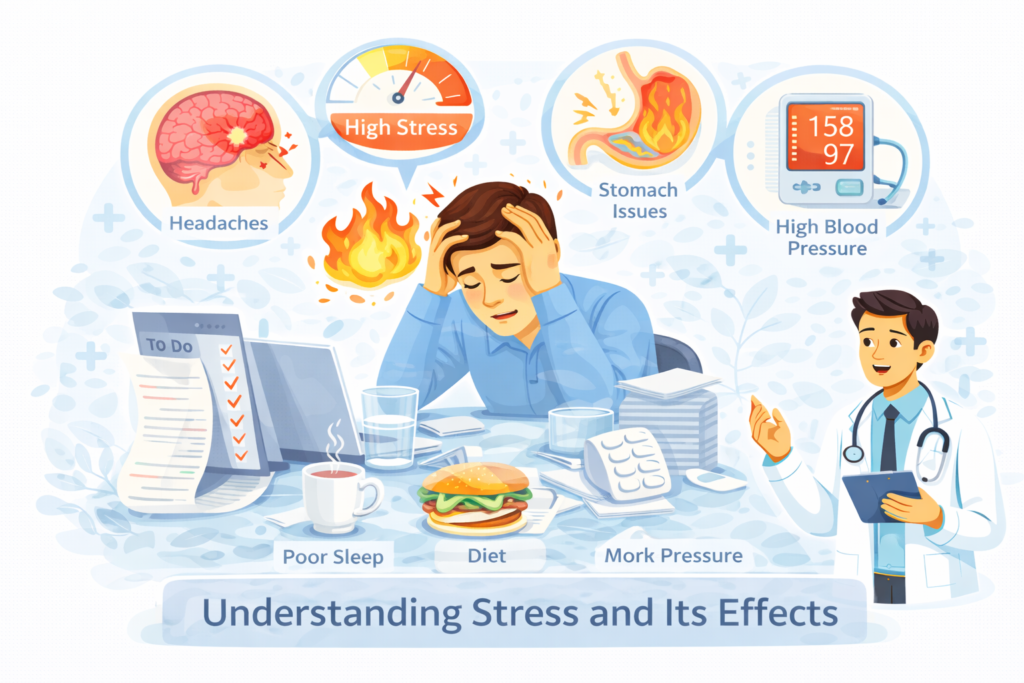
Persistent tiredness that doesn’t improve with rest deserves attention too. Our guide on Signs You’re Emotionally Exhausted covers this pattern in more depth.
Sleep and Mental Health: Recognising Insomnia
Many people have poor sleep from time to time. That’s normal. Insomnia is different. It means regularly finding it hard to fall asleep, stay asleep, or waking up too early.
Insomnia can last a short time. It can also continue for months or years. Either way, it’s worth taking seriously. Changing your sleep habits often helps. If it doesn’t, speaking to a GP is the right next step.
Read more of our articles on Managing Menopause Naturally
Practical Steps to Improve Sleep and Mental Health Together
Small, consistent changes genuinely help. None of these require a dramatic lifestyle overhaul.
- Keep a regular routine: going to bed and waking up around the same time each day helps your body settle into a better rhythm.
- Give yourself time to wind down: a period of relaxation before bed signals to your brain that sleep is coming.
- Write down your worries: if you often lie awake thinking about tomorrow, make a list before bed instead. This genuinely helps quiet the mind.
- Watch your caffeine timing: tea, coffee, cola, and energy drinks can keep you awake far longer than expected.
- Move your body earlier in the day: exercise supports both sleep and mood, though vigorous activity too close to bedtime can work against you.
- Put your phone away before bed: screens and notifications make it harder for your brain to switch off.
When to Get Extra Support
Sleep problems can take time to improve, and that’s completely normal. Some situations call for more than self-help changes, though.
Speak to a GP if poor sleep continues despite consistent changes to your routine. This matters especially if it’s significantly affecting your mood, concentration, or daily life. Cognitive behavioural therapy for insomnia, often called CBT-I, is a specific, evidence-based treatment. Many NHS services now offer it online.
If low mood, anxiety, or persistent stress feels tangled up with your sleep problems, addressing both together tends to work better than treating either one alone.
The NHS Every Mind Matters guide to sleep offers further practical tips and self-help resources.
Key Takeaways
- The connection between sleep and mental health runs both ways. Poor sleep worsens mood, and poor mood disrupts sleep.
- Poor sleep weakens emotional regulation, intensifies anxiety, and is linked to a higher risk of depression over time.
- Insomnia, unlike occasional poor sleep, means regularly struggling to fall or stay asleep in a way that affects daily life.
- Simple changes, like a consistent routine and writing down worries before bed, genuinely support both sleep and mood.
- CBT-I is an evidence-based treatment for insomnia, and it’s worth speaking to a GP if self-help changes aren’t enough.
Final Thoughts
The relationship between sleep and mental health isn’t a minor detail buried in wellness advice. It’s central to how you feel and function every single day. Breaking the cycle doesn’t require perfection. It requires a few consistent, deliberate changes, repeated over time.
If you’ve been treating sleep as separate from your mental health, this is worth reconsidering. Protecting one genuinely protects the other. Start with one small change tonight, and build from there.
Good sleep isn’t a luxury. It’s part of the foundation.
Medical Disclaimer: The information on this page is provided for educational and informational purposes only and is not intended as medical advice. It should not replace consultation with a qualified healthcare professional. For full details, please read our Disclaimer.