Learning how to recover after emotional burnout takes more than a long weekend. Burnout builds slowly. It doesn’t lift quickly either. Mayo Clinic Health System describes burnout as feelings of depleted energy and exhaustion from continual stress. Recovery asks for the same patience the burnout itself took to build.
This article covers what real recovery actually looks like. It walks through the first steps, the mistakes that slow healing down, and how to rebuild your capacity for the long term.
For the early warning signs worth catching before burnout gets this far, read our guide on Recognizing Burnout Before It Becomes Serious.
The First Step to Recover After Emotional Burnout
Recovery starts with recognition. Mayo Clinic Health System puts it simply: knowing the problem is the first step toward recovery. Many people push through burnout for months before naming it. Naming it changes everything. It turns a vague sense of being unwell into something you can actually address.
This step sounds small. It isn’t. Admitting you’re burned out often feels like admitting failure. It’s the opposite. It’s the first honest move toward getting better.
Read more on our article on Healthy aging for women after 50.
How to Recover After Emotional Burnout: Rest That Actually Restores
Not all rest works the same way. A weekend of scrolling your phone isn’t the same as genuine recovery. True rest interrupts the stress cycle completely.
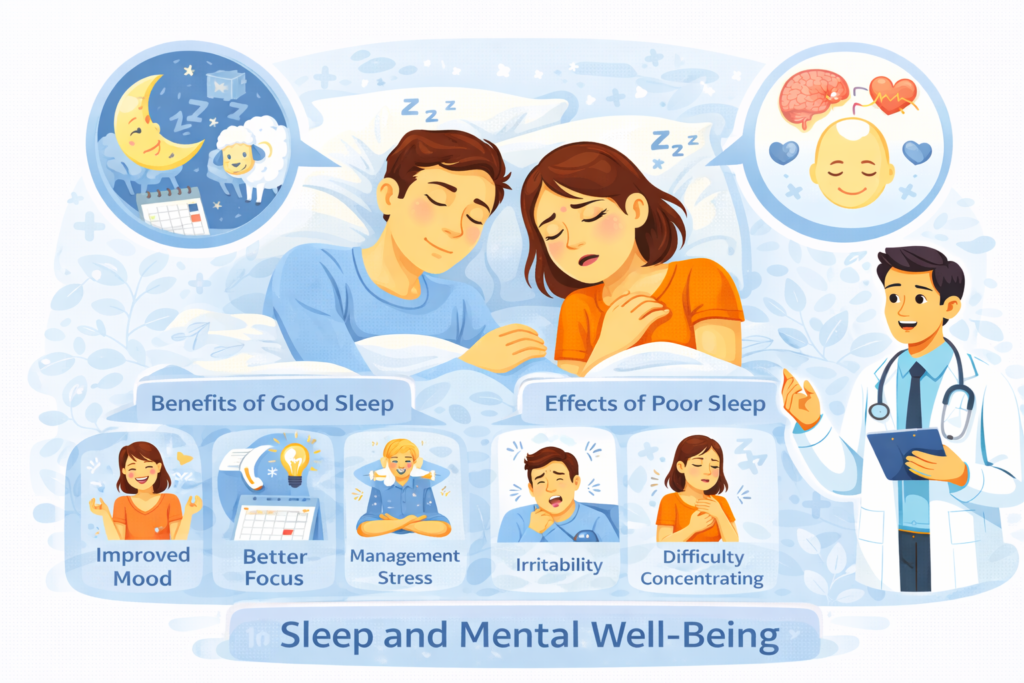
- Prioritise real sleep: burnout depletes your body as much as your mind. Consistent, quality sleep is foundational, not optional.
- Take a genuine break from the source: Mayo Clinic Health System recommends removing yourself from work stress entirely during time off. Fully disconnecting matters more than the length of the break itself.
- Protect it from creeping back in: checking email during a “day off” isn’t rest. It just delays the same stress by a few hours.
- Let boredom exist: unstructured time, without a packed itinerary, gives your nervous system room to actually settle.
Rebuilding Physical Health During Recovery
Burnout affects your body directly, not just your mood. Physical recovery supports emotional recovery in return.
- Move, even gently: exercise lifts mood measurably. Even a 10-minute walk can boost energy for hours afterward.
- Eat to stabilise, not restrict: limit sugary, carbohydrate-heavy foods that cause energy crashes. Focus on consistent, balanced meals instead.
- Cut back on stimulants: caffeine and nicotine can worsen anxiety and disrupt the sleep you need most right now.
- Go easy on alcohol: it might feel relaxing short-term, but it interferes with genuine recovery over time.
Persistent exhaustion that doesn’t lift with rest deserves its own attention too. Our guide on Signs You’re Emotionally Exhausted covers this specific pattern in more depth.
Making Changes That Address the Real Cause
Rest helps you recover. It won’t fix the thing that burned you out in the first place. Real recovery eventually means looking honestly at what caused it.
Mayo Clinic Health System suggests asking direct questions. Should you leave a job or a draining relationship? Do you need help with caregiving? What would genuinely make your life less stressful? These aren’t easy questions. They’re necessary ones.
Practise saying no more often. Set clearer priorities. Slow down and reconsider what your goals actually are, both at work and outside it. Burnout often signals that something structural needs to change, not just your mindset.
Rebuilding Boundaries as You Recover
One of the clearest paths back from burnout involves protecting your time more deliberately than before.
- Set a hard stop for work each day: a defined end time protects the recovery you’re trying to build.
- Disconnect from technology daily: even a short, deliberate break from notifications helps regulate your nervous system.
- Pick up something unrelated to your stressor: a hobby with no productivity attached gives your brain genuine relief.
- Lean on your relationships: asking family or friends for support isn’t weakness. It’s a proven part of recovery.
When to Recover After Emotional Burnout With Professional Help
Not every recovery happens alone, and it shouldn’t have to. Counselling and therapy genuinely help many people work through burnout, especially when it’s tangled up with anxiety or depression.
Seek professional support if burnout is severely affecting your daily functioning, your relationships, or your physical health. It’s also worth seeking help if self-directed changes haven’t moved the needle after a reasonable amount of time.
Building broader resilience alongside targeted recovery steps often makes the whole process feel steadier. Our guide on Building Emotional Resilience After Setbacks covers this in more depth.
The Mayo Clinic Health System guide to burnout offers further practical strategies for both prevention and recovery.
Key Takeaways
- Learning how to recover after emotional burnout starts with naming it honestly, rather than pushing through in silence.
- Genuine rest means fully disconnecting from the source of stress, not just taking time off in name only.
- Physical recovery, including sleep, movement, and steady nutrition, directly supports emotional recovery.
- Lasting recovery usually requires addressing the underlying cause, not just resting and returning to the same conditions.
- Professional support is a legitimate, often necessary part of recovery, especially when burnout overlaps with anxiety or depression.
Final Thoughts
Knowing how to recover after emotional burnout means accepting that it takes real time. There’s no shortcut that undoes months of depletion in a single weekend. Recovery is a process, built from rest, honest change, and often some support along the way.
Start with the first, smallest step. Name what you’re going through. Protect one boundary this week that you haven’t protected before. Recovery builds the same way burnout did: slowly, and one choice at a time.
You don’t have to push through this one. You’re allowed to actually rest.
Medical Disclaimer: The information on this page is provided for educational and informational purposes only and is not intended as medical advice. It should not replace consultation with a qualified healthcare professional. For full details, please read our Disclaimer.