Building emotional resilience doesn’t mean becoming someone who never struggles. The American Psychological Association defines resilience as the ability to adapt well to stress, trauma, or adversity, and to bounce back from difficult experiences. Importantly, the APA is clear that resilience isn’t a fixed personality trait some people simply have and others don’t. It’s a set of behaviours and outlooks that anyone can strengthen over time.
This article covers what genuinely builds resilience after a setback, the specific factors research links to stronger recovery, and practical steps you can start today.
For more on the exhaustion that often follows sustained hardship, read our guide on Signs You’re Emotionally Exhausted.
What Building Emotional Resilience Actually Involves
The APA describes resilience as a complex, active process shaped by both genetics and environment, with real potential to change over time. This matters, because it means a setback that leaves you feeling completely undone right now doesn’t define your long-term capacity to handle hardship. Resilience is something you build, not a trait you either have or lack.
Research on resilience points to four core components worth focusing on: connection, wellness, healthy thinking, and meaning. Strengthening even one of these areas after a setback tends to support the others, since they reinforce each other over time.
Building Emotional Resilience: What Actually Helps
Real resilience-building looks less like a single dramatic mindset shift and more like a handful of consistent, ordinary practices.
Prioritise connection
The APA specifically highlights connecting with empathetic, understanding people as central to resilience. Trustworthy relationships that validate what you’re feeling, rather than rushing you toward feeling better, genuinely support the recovery process. Isolation after a setback often feels like protection, but it tends to slow resilience rather than support it.
Support your physical wellness
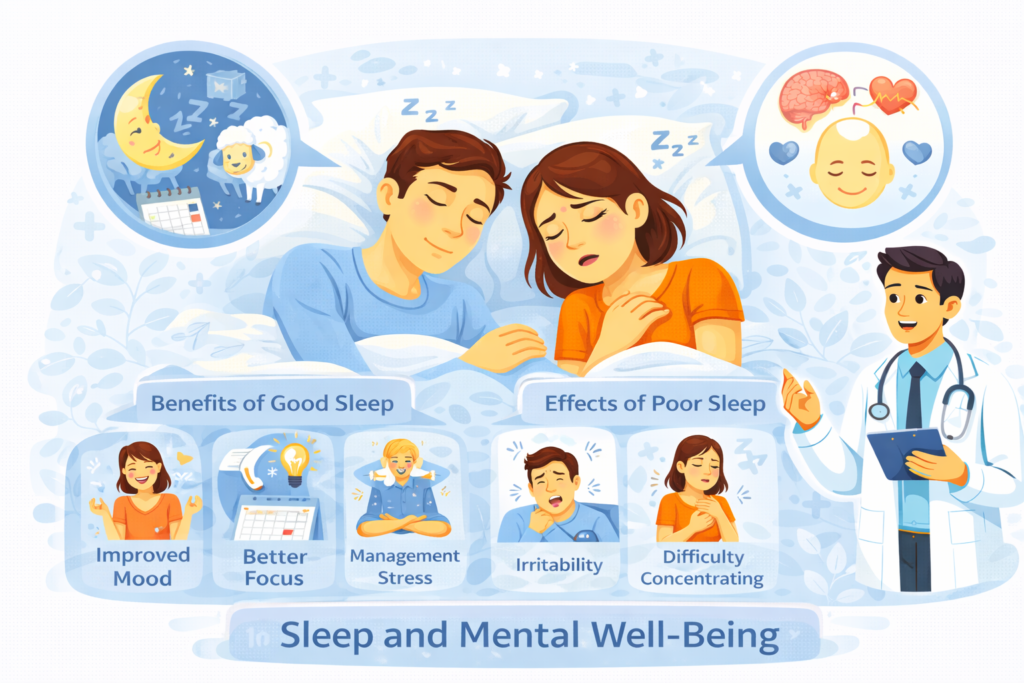
Stress is physical as much as it is emotional. Sleep, nutrition, hydration, and regular movement all strengthen your body’s capacity to handle stress and reduce the toll that anxiety or low mood can take. This isn’t about a strict health regimen. It’s about not neglecting the basics while you’re already under strain.
Practise healthy thinking patterns
How you interpret a setback shapes how you recover from it. Mindful journaling, meditation, or simply pausing to notice what’s still going right, even during a hard period, can shift your outlook without minimising what’s genuinely difficult. Our guide on How Journaling Reduces Stress covers this practice in more depth.
Look for meaning, even in difficulty
People who find some sense of purpose or growth within a difficult experience, even a small one, tend to show stronger long-term resilience. This doesn’t mean forcing gratitude for the setback itself. It means staying open to what the experience might teach you, or how it might connect you to something bigger than the immediate pain.
Help someone else
The APA notes that helping others, whether through volunteering or simply supporting a friend, builds a sense of purpose and self-worth that strengthens your own resilience in the process. Focusing outward, even briefly, can interrupt the inward spiral that setbacks often trigger.
What Building Emotional Resilience Isn’t
It’s worth being clear about what resilience doesn’t require, since misunderstanding this can make setbacks feel even heavier.
- It’s not suppressing difficult emotions: resilience isn’t about masking pain with forced positivity. Feeling the full weight of a setback is part of processing it, not a failure of resilience.
- It’s not doing it alone: the research consistently points toward connection and support as central to resilience, not independence from other people.
- It’s not moving on quickly: resilience isn’t measured by speed. Some setbacks genuinely take longer to recover from than others, and that’s not a sign you’re doing it wrong.
- It’s not avoiding negative outlets like distraction: the APA specifically warns against masking pain with alcohol, substances, or other numbing behaviours, since this delays rather than supports real recovery.
Building Emotional Resilience When You Feel Stuck
If a setback feels particularly heavy or prolonged, that’s not a sign your resilience has failed. Sometimes it’s a sign that additional support is genuinely needed. Counselling and professional support can strengthen the communication and problem-solving skills that underpin resilience, and there’s no requirement to build it entirely on your own.
The APA’s guide to building your resilience covers these strategies in further detail, including specific exercises for each core component.
Key Takeaways
- Building emotional resilience is a skill that can be strengthened over time, not a fixed trait some people simply have and others don’t.
- Four core components support resilience: connection, physical wellness, healthy thinking patterns, and finding meaning even within hardship.
- Prioritising relationships and seeking genuine support are central to resilience, rather than optional extras.
- Resilience isn’t about suppressing difficult emotions or recovering quickly — it’s about adapting and growing through the process, however long that takes.
- Professional support can genuinely strengthen resilience when a setback feels too heavy to move through alone.
Final Thoughts
Building emotional resilience after a setback isn’t about becoming unshakeable. It’s about developing the ordinary, repeatable habits that help you adapt, recover, and eventually grow from what happened. Connection, rest, honest reflection, and a willingness to ask for support all matter more than any single mindset shift ever could.
If you’re in the middle of a setback right now, resilience doesn’t require you to feel okay about it yet. It just asks you to keep showing up to the small, steady practices that support recovery, one day at a time.
You don’t have to bounce back fast. You just have to keep moving forward.
Medical Disclaimer: The information on this page is provided for educational and informational purposes only and is not intended as medical advice. It should not replace consultation with a qualified healthcare professional. For full details, please read our Disclaimer.