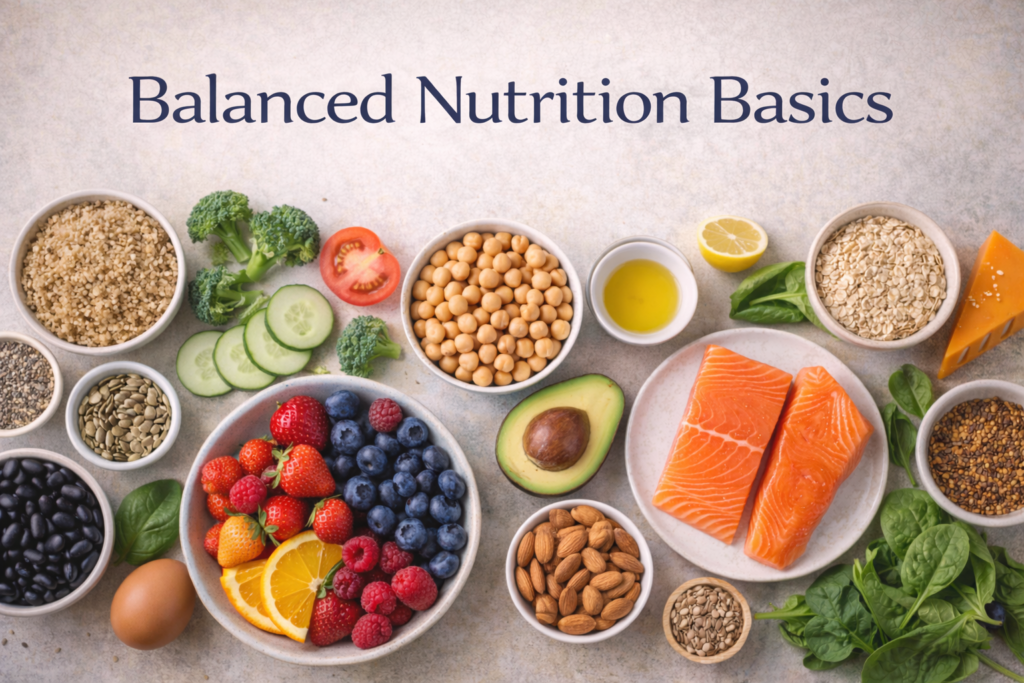
Adding anti-inflammatory foods to your meals doesn’t require an elaborate diet plan. According to Harvard Health Publishing, there isn’t one official anti-inflammatory diet. What matters more is a consistent pattern of eating — built around whole, minimally processed foods, rather than any single miracle ingredient. Small, realistic additions this week can genuinely move that pattern in the right direction.
This article covers specific foods backed by real research, why they help, and simple ways to work them into meals you’re already making.
For more on how to recognise chronic inflammation in your body, read our guide on Inflammation 101: How to Know if You Have It and What to Eat Next.
Anti-Inflammatory Foods Worth Adding This Week
These foods have some of the strongest evidence behind them for reducing markers of chronic inflammation. None require a special trip or unfamiliar ingredients.
Berries
Strawberries, blueberries, raspberries, and blackberries contain compounds called anthocyanins, which give them their deep colour. Harvard research links anthocyanins to lower risks of heart disease and cognitive decline, alongside their anti-inflammatory effect on cells. Add a handful to breakfast, or keep frozen berries on hand for an easy daily addition.
Fatty fish
Salmon, mackerel, and sardines are rich in omega-3 fatty acids, which help counter the inflammatory effects of excess omega-6 fats common in processed foods. Aiming for fatty fish twice a week is a simple, well-supported target that fits easily into most weekly meal plans.
Leafy greens
Spinach, kale, arugula, and chard are packed with vitamins A, C, E, and K, along with minerals like magnesium and potassium. These nutrients support the body’s natural defence against inflammation. Adding a handful to a smoothie, sandwich, or dinner plate is often the easiest way to increase intake without a big recipe change.
Nuts and seeds
Walnuts, almonds, and flaxseeds provide healthy fats and plant compounds linked to reduced inflammation. A small handful as a snack, or sprinkled over yogurt or oatmeal, adds up meaningfully over a week without requiring any real planning.
Olive oil
Extra virgin olive oil is a cornerstone of the Mediterranean diet, one of the most well-studied anti-inflammatory eating patterns. Swapping it in for butter or refined vegetable oils in everyday cooking is a small change with real evidence behind it.
Turmeric
Turmeric contains curcumin, a compound studied for its anti-inflammatory properties. Adding it to soups, curries, or scrambled eggs is an easy way to work it into regular meals, though pairing it with black pepper improves how well the body absorbs it.
Anti-Inflammatory Foods: What to Eat Less Of
Adding good foods matters, but Harvard Health notes that an anti-inflammatory eating pattern is guided as much by what you avoid as what you include. The main foods linked to increased inflammation are:
- ultra-processed foods, including packaged snacks, sugary cereals, and processed meats
- sugary drinks and sodas
- refined carbohydrates, like white bread and pastries
- fried foods
- excess red and processed meat
A 2025 report in the journal Nutrients found that ultra-processed foods can alter gut bacteria, damage the gut lining, and activate inflammatory genes in cells. This doesn’t mean cutting these foods out entirely. It means treating them as the occasional exception rather than a daily habit.
The gut and inflammation are closely connected, since much of the immune system is centred in the digestive tract. Our guide on Simple Ways to Improve Gut Health covers this link in more detail, with practical steps that overlap closely with anti-inflammatory eating.
A Simple Way to Start This Week
Rather than overhauling every meal at once, pick two or three of these foods and build them into what you’re already eating.
- Add a handful of berries to breakfast, three or four mornings this week.
- Swap one refined carbohydrate meal for a whole-grain version.
- Cook fatty fish once or twice instead of red meat.
- Cook with olive oil instead of butter for one week and notice if it becomes a habit.
- Keep a small container of nuts at your desk instead of a packaged snack.
These changes are small individually, but Harvard’s research on eating patterns suggests it’s the consistency across a week, not any single perfect meal, that actually moves inflammation markers over time.
The Harvard Health guide to anti-inflammatory foods covers the full research in more detail, including the Mediterranean diet framework these recommendations are based on.
Key Takeaways
- There’s no single official anti-inflammatory foods list or diet — a consistent eating pattern matters more than any one ingredient.
- Berries, fatty fish, leafy greens, nuts, olive oil, and turmeric all have solid research behind their anti-inflammatory effects.
- Ultra-processed foods, sugary drinks, and refined carbohydrates are the main foods linked to increased inflammation.
- Small, realistic swaps — like cooking with olive oil or adding berries to breakfast — add up meaningfully over a week.
- The Mediterranean diet remains one of the most well-studied anti-inflammatory eating patterns, built around whole, minimally processed foods.
Final Thoughts
Anti-inflammatory foods don’t require a strict plan, a supplement cabinet, or giving up everything you enjoy. The research consistently points to the same simple pattern: more whole foods, fewer ultra-processed ones, repeated regularly over time.
Pick two changes from the list above and try them for the next seven days. Notice how you feel, and build from there. Small, sustainable shifts beat a perfect week you can’t repeat.
Add before you subtract. The rest tends to follow.
Medical Disclaimer: The information on this page is provided for educational and informational purposes only and is not intended as medical advice. It should not replace consultation with a qualified healthcare professional. For full details, please read our Disclaimer.