Gut health has become one of the most talked-about topics in wellness. Much of that attention is deserved. Your gut houses trillions of bacteria that influence digestion, immunity, and even mood. But you don’t need an expensive supplement stack or a restrictive diet to support it. Small, consistent habits do most of the work. This article walks through the simple, evidence-based changes that make the biggest difference to your gut health — without complicating your daily routine.
For more on how ongoing inflammation connects to gut and overall health, read our guide on Inflammation 101: How to Know if You Have It and What to Eat Next.
Why Gut Health Affects More Than Digestion
Your gut is home to the microbiome — trillions of bacteria, fungi, and other microbes living in your digestive tract. A healthy, diverse microbiome supports far more than just digestion. It plays a role in immune function, nutrient absorption, and the production of certain vitamins. Researchers have also found a strong connection between gut bacteria and mood, often called the gut-brain axis.
An imbalanced gut microbiome has been linked to bloating, irregular bowel movements, low energy, and a weaker immune response. This is why gut health matters well beyond occasional digestive discomfort.
Simple Gut Health Habit One: Eat More Fibre
Fibre is the single most important food source for your gut bacteria. It feeds the beneficial microbes that keep your digestive system running smoothly. Most adults fall short of the recommended intake. The UK guideline is 30 grams of fibre a day, yet the average adult eats closer to 20 grams.
Good fibre sources include:
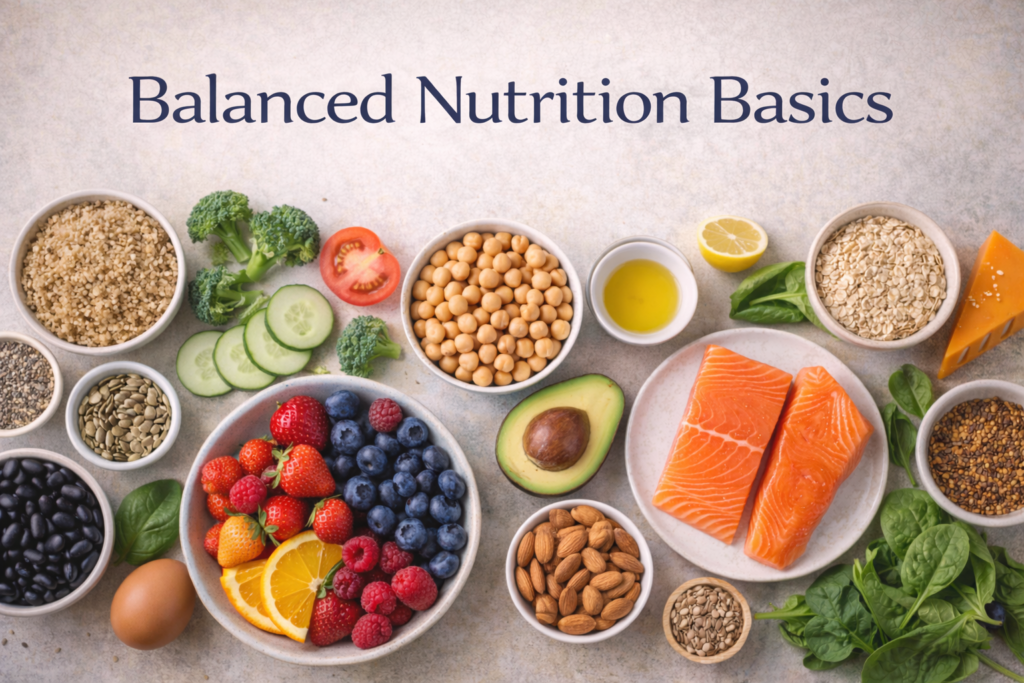
- oats, beans, and lentils
- whole grains like brown rice and wholemeal bread
- fruits and vegetables, especially with the skin left on
- nuts and seeds
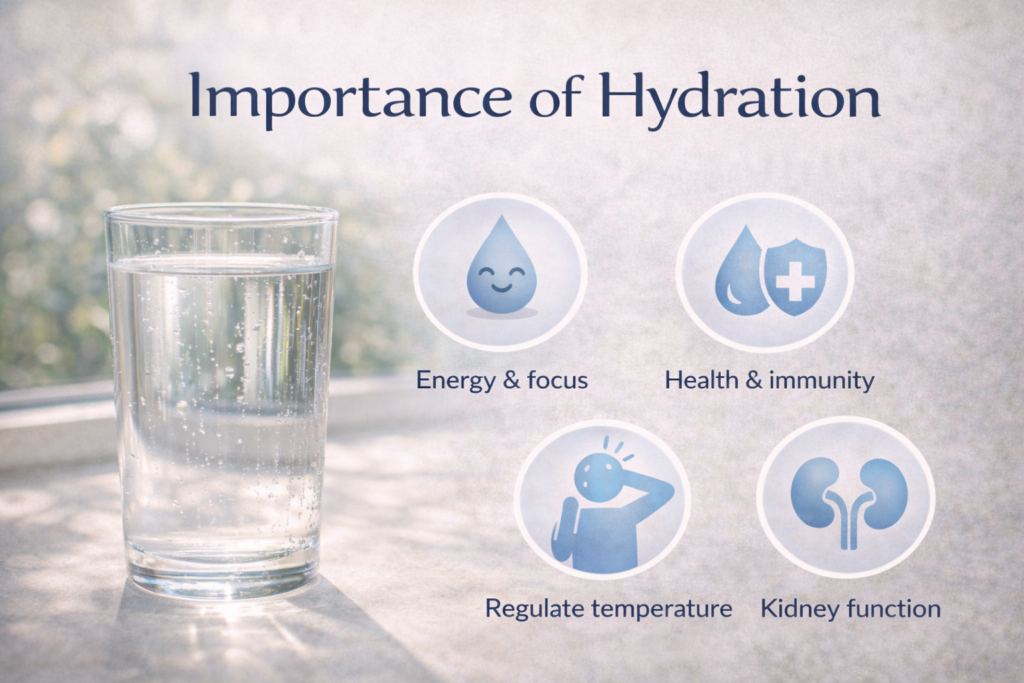
Increase fibre gradually rather than all at once. A sudden jump can cause bloating or discomfort. Drink plenty of water alongside it, since fibre needs fluid to move through your system comfortably.
Simple Gut Health Habit Two: Add Fermented Foods
Fermented foods contain live bacteria that can help diversify your gut microbiome. Yogurt with live cultures, kefir, sauerkraut, kimchi, and miso are all well-studied options. A 2021 Stanford study found that a diet rich in fermented foods increased microbiome diversity and lowered markers of inflammation over just ten weeks.
You don’t need to eat these foods in large amounts. A small daily serving — a spoonful of sauerkraut, a cup of plain yogurt — is enough to introduce beneficial bacteria consistently over time.
Simple Gut Health Habit Three: Limit Ultra-Processed Foods
Ultra-processed foods tend to be low in fibre and high in additives that some research suggests may disrupt the gut lining and reduce microbial diversity. This doesn’t mean cutting out convenience entirely. It means building meals around whole foods most of the time, and treating heavily processed options as the occasional exception rather than the daily default.
Our guide on Meal Prepping for Busy Professionals: A Beginner’s Guide covers practical ways to build whole-food meals in advance, so gut-friendly eating doesn’t depend on daily willpower.
Simple Gut Health Habit Four: Manage Stress
The gut and brain communicate constantly through the vagus nerve and a shared network of signalling molecules. Chronic stress can alter gut motility, increase gut permeability, and shift the balance of bacteria living there. This is part of why stress so often shows up as stomach symptoms — a tight stomach before a big meeting, or digestive upset during a difficult week.
Simple stress-reduction habits — short walks, regular sleep, slow breathing before meals — support gut health indirectly but meaningfully. Eating while calm, rather than rushed or distracted, also appears to support better digestion.
Simple Gut Health Habit Five: Move Your Body Regularly
Physical activity supports healthy gut motility, helping food move through your digestive system at a steady pace. Research has also found that regular exercise is associated with greater gut microbial diversity, independent of diet. You don’t need intense workouts for this benefit. Regular walking, light cardio, and consistent movement throughout the day all contribute.
Simple Gut Health Habit Six: Be Careful With Antibiotics
Antibiotics can significantly disrupt gut bacteria, sometimes for months after a course ends. This doesn’t mean avoiding antibiotics when your doctor prescribes them — they’re often necessary and important. It means being thoughtful: only taking them when needed, completing the full course as directed, and considering fermented foods or a probiotic during and after treatment, with your doctor’s guidance.
Signs Your Gut Health May Need Attention
Occasional bloating or an off day isn’t usually cause for concern. But persistent symptoms are worth discussing with a doctor. Watch for:
- frequent bloating or abdominal discomfort
- irregular bowel movements that last more than a few weeks
- unexplained fatigue alongside digestive symptoms
- new food sensitivities that weren’t there before
- skin issues that flare alongside digestive discomfort
The NHS guide to increasing fibre intake offers further practical tips for building gut-supportive habits into your daily diet.
Key Takeaways
- Gut health influences far more than digestion. It plays a role in immunity, nutrient absorption, and even mood through the gut-brain axis.
- Most adults don’t eat enough fibre. Increasing intake gradually, alongside plenty of water, is one of the most effective ways to support gut bacteria.
- Fermented foods like yogurt, kefir, and sauerkraut can meaningfully increase microbiome diversity, even in small daily amounts.
- Chronic stress and poor sleep affect gut health directly, through the same signalling pathways that connect the gut and brain.
- Regular movement supports both gut motility and microbial diversity, without needing intense exercise.
- Persistent bloating, irregular bowel movements, or fatigue alongside digestive symptoms are worth discussing with a doctor.
Final Thoughts on Improving Gut Health
Gut health doesn’t require a dramatic overhaul. The most effective changes are also the simplest: more fibre, a few fermented foods, regular movement, and a little more attention to stress and sleep. None of these require special products or strict rules.
Pick one habit from this list and build it into your week before adding another. Small, consistent changes compound. Your gut bacteria respond to what you do daily, not what you do once.
Start small. Stay consistent. Let your gut do the rest.
Medical Disclaimer: The information on this page is provided for educational and informational purposes only and is not intended as medical advice. It should not replace consultation with a qualified healthcare professional. For full details, please read our Disclaimer.