Understanding how journaling reduces stress starts with recognising it’s not just a wellness trend. Mayo Clinic lists journaling among its recommended stress management techniques, alongside physical activity and relaxation practices. Writing regularly about what’s on your mind has real, measurable effects on how your body and brain respond to stress, not just how you feel about it afterward.
This article explains the psychology behind why journaling works, what the research actually shows, and how to build a practice that genuinely helps rather than becoming another task on your list.
For more on how anxiety can build quietly beneath a functioning exterior, read our guide on High-Functioning Anxiety: Why You Look Fine But Feel Drowning.
How Journaling Reduces Stress: The Psychology Behind It
Much of the foundational research on journaling comes from psychologist James Pennebaker, whose expressive writing studies date back to the 1980s. Participants who wrote about stressful or traumatic experiences for just 15 to 20 minutes a day, over several days, showed measurable improvements in both physical and psychological health compared with those who wrote about neutral topics.
Pennebaker’s research suggests that putting emotional experiences into words helps the brain process them more completely. Stress that stays unprocessed tends to circle repeatedly, often showing up as rumination or physical tension. Writing gives that stress somewhere to go, turning a vague, looping feeling into something concrete and finite on the page.
How Journaling Reduces Stress at a Physical Level
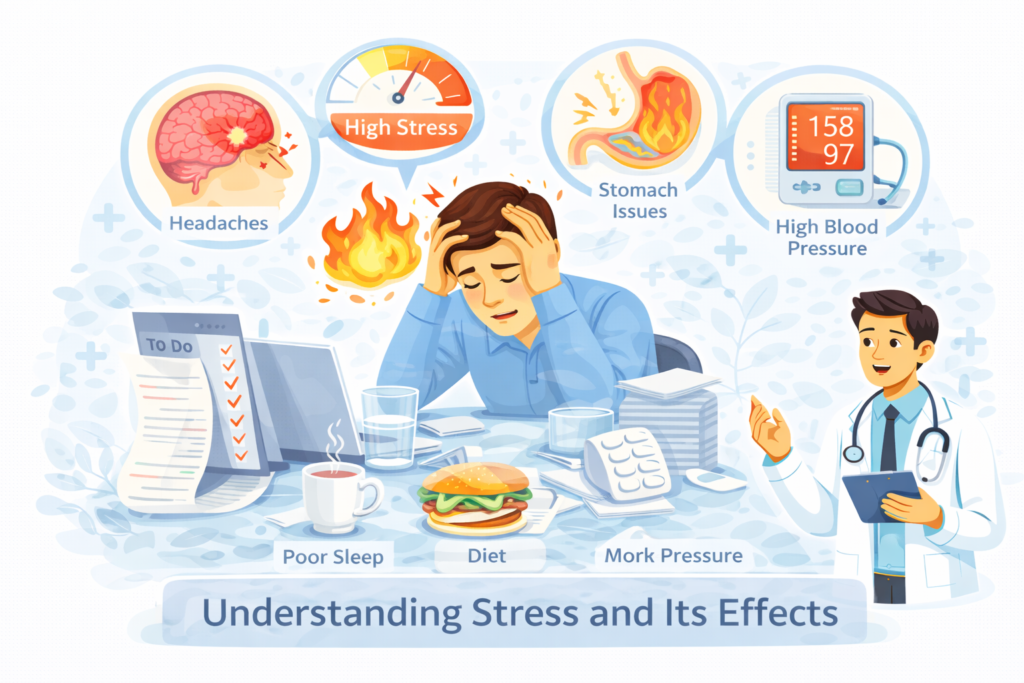
The benefits of journaling aren’t only psychological. Several studies link expressive writing to lower blood pressure, improved immune function, and better sleep quality. Mayo Clinic notes that unmanaged stress raises the risk of serious health issues, including high blood pressure and heart disease, which is part of why active stress management techniques like journaling matter beyond simply feeling calmer in the moment.
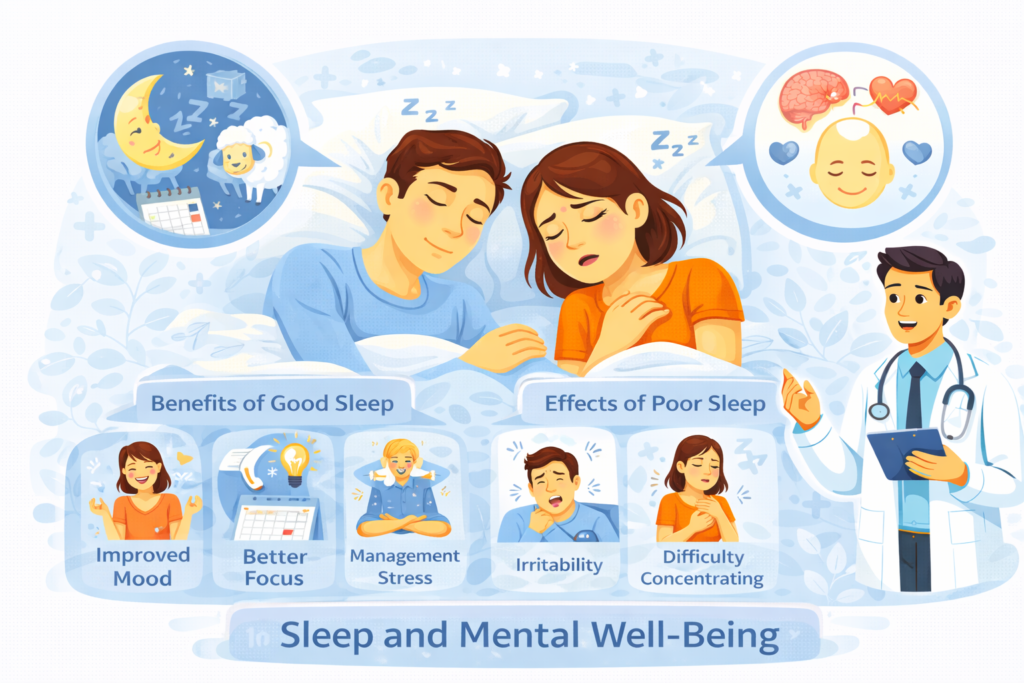
Writing before bed in particular can help quiet a racing mind, since it gives anxious or looping thoughts a place to land instead of circling as you try to fall asleep. Our guide on How to Calm an Overactive Mind Before Bed covers this connection in more detail.
Different Types of Journaling and What Each One Does
Not all journaling works the same way. Different approaches serve different purposes, depending on what you’re trying to process.
- Expressive writing: writing openly about a stressful event and how it made you feel, without worrying about structure or grammar. This is the format Pennebaker’s original research used, and it remains one of the most studied approaches.
- Gratitude journaling: Mayo Clinic Press notes that people who kept a gratitude practice reported less stress and a more positive outlook compared with those who didn’t. Even three things you’re grateful for, noted briefly each evening, can shift your overall stress baseline over time.
- Worry journaling: writing down specific worries at a set time each day, rather than letting them intrude throughout, can reduce how often anxious thoughts interrupt the rest of your day.
- Brain dump journaling: simply offloading everything on your mind, without structure or judgment, clears mental clutter before starting a task or winding down for the night.
How to Start a Journaling Practice That Actually Sticks
Many people try journaling once, find it awkward, and abandon it. A few adjustments make the habit far more sustainable.
- Start small: five minutes is enough to begin. Pennebaker’s original studies used sessions of just 15 to 20 minutes, and even shorter sessions still show real benefit.
- Don’t worry about how it reads: journaling isn’t writing for an audience. Grammar, structure, and neat handwriting don’t matter here.
- Pick a consistent time: attaching journaling to an existing habit, like morning coffee or right before bed, makes it far more likely to stick than trying to find time for it randomly.
- Let it be uneven: some days will produce a page of writing, others just a few lines. Both count.
- Try a specific prompt when you’re stuck: “What’s weighing on me right now?” or “What went well today?” gives you a starting point on days when staring at a blank page feels harder than usual.
When Journaling Isn’t Enough on Its Own
Journaling is a genuinely useful tool, but Mayo Clinic is clear that it works best as one part of a broader approach to stress management, alongside physical activity, sleep, and social connection. If stress is significantly affecting your daily life, relationships, or physical health despite consistent journaling and other self-care efforts, that’s worth discussing with a doctor or therapist rather than managing entirely on your own.
The Mayo Clinic guide to stress symptoms and management covers journaling alongside other evidence-based strategies in more detail.
Key Takeaways
- Understanding how journaling reduces stress comes down to real psychology — putting emotional experiences into words helps the brain process them more completely.
- James Pennebaker’s expressive writing research found measurable physical and psychological benefits from just 15 to 20 minutes of writing a day.
- Journaling is linked to lower blood pressure, improved immune function, and better sleep, beyond simply feeling calmer.
- Different journaling styles — expressive, gratitude, worry, and brain dump — serve different purposes depending on what you need to process.
- Starting small and attaching journaling to an existing daily habit makes the practice far more likely to stick long-term.
Final Thoughts
Understanding how journaling reduces stress makes the habit far easier to stick with, since it stops feeling like a vague wellness suggestion and starts feeling like something with a real, traceable effect. You don’t need elaborate prompts or a beautiful notebook. You need a few honest minutes and a willingness to let the page hold what your mind has been carrying alone.
Start tonight with one simple question: what’s actually on your mind right now? Write for five minutes without stopping to edit. Notice how it feels afterward, and build from there.
Some thoughts need to leave your head to stop taking up space in it.
Medical Disclaimer: The information on this page is provided for educational and informational purposes only and is not intended as medical advice. It should not replace consultation with a qualified healthcare professional. For full details, please read our Disclaimer.