Most people treat gum disease as a dental problem — something to sort out with a dentist and move on. But research over the past two decades has consistently revealed an unexpected truth: gum disease and heart health are closely connected.
People with gum disease have a measurably higher risk of heart disease, stroke, and other cardiovascular conditions. This is not a loose association. There are clear biological mechanisms that explain how an infection in the mouth can affect an organ as distant as the heart.
How to Break a Fever in Adults Naturally (And When to Go to the ER)
What Is Gum Disease?
Gum disease — known medically as periodontal disease — is an infection of the tissues that hold the teeth in place. It is caused by bacteria that build up along and beneath the gum line when oral hygiene is inadequate.
It develops in two main stages:
Gingivitis (Early Stage)
The gums become inflamed, tender, and may bleed when you brush or floss. At this point, the condition is still reversible with improved cleaning habits and professional care.
Many people have gingivitis without realising it because it is often painless.
Periodontitis (Advanced Stage)
When gingivitis is left untreated, it can progress to periodontitis. The infection spreads deeper, affecting the bone and tissue supporting the teeth. Pockets form between the teeth and gums, trapping more bacteria.
At this stage, damage is more serious and can lead to tooth loss. More importantly, the infection becomes chronic — and the body responds to it continuously.
Read more on this article Decoding Your Blood Work: Key Markers Every Patient Should Understand.
How Gum Disease Affects Heart Health
To understand the connection between gum disease and heart health, it helps to understand what the body does in response to a persistent mouth infection.
The gums have a rich blood supply. When bacteria infect the gum tissue, the immune system launches an inflammatory response. In a healthy situation, this resolves quickly. With ongoing gum disease, the infection never fully clears — so the inflammation never fully stops.
This creates two serious consequences.
Bacteria Entering the Bloodstream
Inflamed, damaged gum tissue creates openings through which oral bacteria can enter the bloodstream. This can happen during everyday activities such as chewing, brushing, or swallowing.
Once in the blood, these bacteria can travel to other parts of the body — including the heart and its surrounding structures.
Sustained Systemic Inflammation
The immune system’s ongoing response to gum infection raises inflammatory markers throughout the body. Elevated C-reactive protein — a key marker of inflammation — has been measured in people with moderate to severe gum disease.
This whole-body inflammation is the same process linked to the development of cardiovascular disease, including the narrowing and hardening of arteries.
The Link Between Gum Disease and Cardiovascular Disease
Researchers have identified several ways in which periodontal disease and heart conditions appear to be connected.
Atherosclerosis (Narrowing of the Arteries)
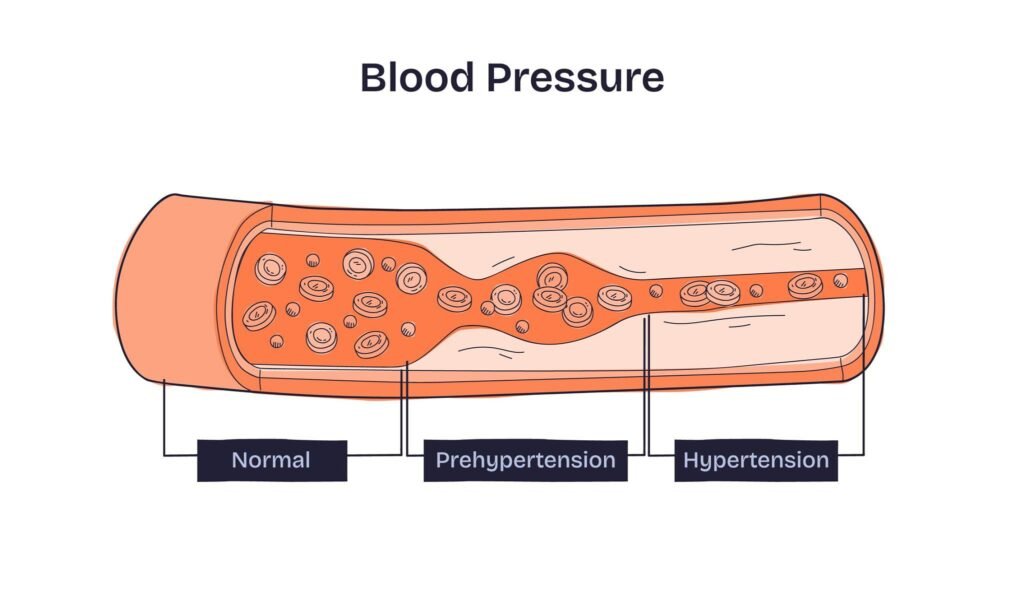
Atherosclerosis is the gradual build-up of fatty plaques inside artery walls. These plaques narrow the arteries and reduce blood flow to the heart — and over time can lead to heart attack or stroke.
Inflammation plays a central role in how these plaques form and grow. The chronic low-grade inflammation from gum disease appears to accelerate this process. Studies have also found oral bacteria inside arterial plaques in people with heart disease, suggesting the bacteria contribute directly to plaque formation in some cases.
Infective Endocarditis
Infective endocarditis is an infection of the inner lining of the heart chambers and valves. It is caused by bacteria entering the bloodstream and attaching to damaged or irregular heart tissue.
Oral bacteria are among the known causes of this condition. People with pre-existing heart valve problems face a higher risk if they also have significant gum disease.
Increased Stroke Risk
Several large studies have found that people with severe gum disease have a higher rate of stroke compared to those with healthy gums. The proposed mechanisms are similar: bacteria in the bloodstream and elevated inflammation both affect blood vessel health and clotting.
Shared Risk Factors
Part of what makes this connection complex is that gum disease and heart disease share several of the same risk factors. This means the two conditions often occur together for overlapping reasons.
Common shared risk factors include:
- Smoking — damages both gum tissue and blood vessels
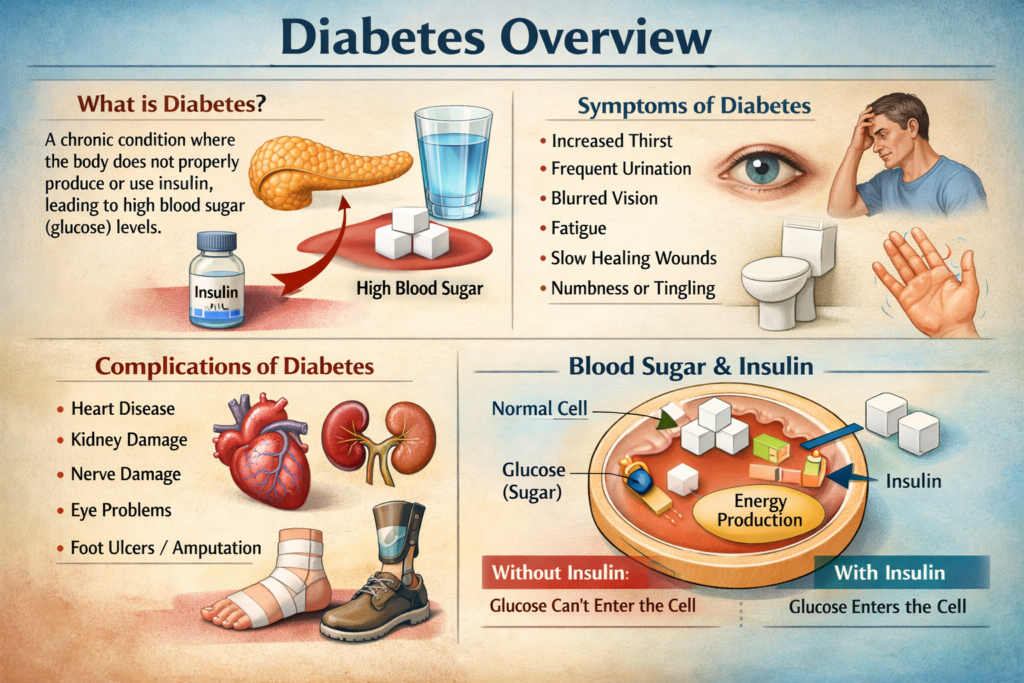
- Type 2 diabetes — impairs infection-fighting ability and increases cardiovascular risk
- Poor diet — contributes to both gum inflammation and arterial disease
- Chronic stress — suppresses immune function and raises inflammatory markers
- Older age
Importantly, researchers account for these overlapping factors in their studies. The association between gum disease and cardiovascular risk remains significant even after adjusting for them — suggesting the relationship is not purely coincidental.
Signs of Gum Disease to Watch For
Gum disease is often silent in its early stages. Many people do not know they have it until a dentist identifies it during an examination.
Common warning signs include:
- Gums that bleed during brushing or flossing
- Red, swollen, or tender gums
- Persistent bad breath that does not improve with brushing
- Gums pulling away from the teeth
- Teeth that feel loose or have shifted position
- Pain when chewing
- Increased tooth sensitivity
Important: Bleeding gums are one of the most commonly dismissed signs. Many people assume it is normal or caused by brushing too hard. In most cases, bleeding gums indicate inflammation that deserves attention.
What You Can Do to Protect Your Gums and Heart
The encouraging finding from this research is that treating gum disease appears to improve cardiovascular markers. Studies have shown reductions in C-reactive protein and improvements in blood vessel function following effective periodontal treatment.
Looking after your gums is not just about your teeth — it is part of looking after your whole body.
Daily Oral Hygiene Habits
- Brush thoroughly twice a day using a soft-bristled toothbrush
- Floss daily to remove bacteria from between teeth and below the gum line
- Use an antibacterial mouthwash if recommended by a dentist
- Replace your toothbrush every three to four months
- Clean your tongue, which harbours significant amounts of oral bacteria
Regular Dental Visits
Professional cleaning removes hardened plaque that brushing alone cannot reach. A dentist can identify early gum disease before it progresses and provide targeted treatment.
For people already managing heart disease or diabetes, maintaining regular dental appointments is particularly important.
Supporting Overall Health
Because gum disease and heart disease share risk factors, addressing those factors benefits both conditions simultaneously:
- Stopping smoking significantly improves gum health and cardiovascular risk
- Managing blood sugar reduces the severity of gum disease in people with diabetes
- An anti-inflammatory diet supports both gum tissue and heart health
- Regular physical activity lowers systemic inflammation
When to See a Doctor or Dentist
See a dentist promptly if:
- Your gums bleed regularly during brushing
- You have persistent bad breath
- Your gums look swollen or have receded noticeably
- You have not had a dental check in over a year
Speak to a doctor if you have known heart disease and have not discussed your oral health with your healthcare team. For people with heart valve conditions in particular, a doctor may have specific recommendations about dental procedures and preventive care.
Key Takeaways
- Gum disease is a chronic bacterial infection that triggers ongoing inflammation throughout the body.
- Bacteria from infected gums can enter the bloodstream and travel to the heart and arteries.
- Sustained inflammation from gum disease has been linked to atherosclerosis, endocarditis, and increased stroke risk.
- Gum disease and heart disease share risk factors including smoking, diabetes, and poor diet.
- Treating gum disease has been shown to improve cardiovascular markers in some studies.
- Bleeding gums, persistent bad breath, and swollen gum tissue are signs worth taking seriously.
- Good oral hygiene, regular dental visits, and addressing shared risk factors support both gum and heart health.
Breast Self-Exams: What to Look For and When
Conclusion
The mouth is not separate from the rest of the body. What happens at the gum line can influence what happens inside the arteries and around the heart.
Gum disease is common and largely preventable. For most people, consistent oral hygiene and regular dental care are enough to keep it under control. The benefit of doing so extends well beyond a clean smile.
If you have been putting off a dental visit — or dismissing bleeding gums as nothing significant — the connection between gum disease and heart health is a good reason to reconsider. Taking care of your mouth is, in a very real sense, taking care of your heart.
To understand how inflammation drives many of these conditions, read our article on Inflammation 101: How to Know if You Have It and What to Eat Next. You may also find our guide on How to Break a Fever in Adults Naturally useful for recognising infection symptoms early.
Medical Disclaimer: The information on this page is provided for educational and informational purposes only and is not intended as medical advice. It should not replace consultation with a qualified healthcare professional.
You can read our Disclaimer.