Healthy snacking has a reputation problem. Most people who snack “healthily” are still hungry an hour later — reaching for the next thing, wondering why the apple or the granola bar didn’t hold them the way it was supposed to. This is not a willpower failure. It is a formula failure. Most popular snacks are built from one macronutrient — usually carbohydrate — and a snack built from carbohydrate alone cannot hold hunger back for long, no matter how “healthy” it looks on the label.
Understanding what actually keeps hunger at bay changes snacking from a source of frustration into a genuinely useful tool. This article explains the biology behind constant hunger, the specific mistake most healthy snackers make without realising it, and exactly how to build a snack that works — with real combinations you can put together today.
To understand how blood sugar swings connect to hunger and energy crashes, read our guide on Prediabetes Explained: Can You Prevent Type 2 Diabetes?.
Why You’re Still Hungry After a “Healthy” Snack
Healthy snacking often fails for a simple reason — the snack raises blood glucose quickly, then lets it fall just as quickly. That fall in blood glucose is one of the strongest triggers for hunger the body has. A rice cake, a handful of pretzels, or a piece of fruit eaten alone will often produce exactly this pattern: a quick rise, a quick fall, and hunger returning within 45 to 90 minutes.
Two hormones drive most of what you feel as hunger and fullness. Ghrelin is produced mainly in the stomach and rises when your stomach is empty, signalling your brain to seek food. Leptin is produced by fat cells and signals that you have enough stored energy, helping to suppress appetite. When you eat a snack that is mostly fast-digesting carbohydrate, ghrelin drops briefly and then rebounds quickly. The hunger you feel shortly after a carb-only snack is not weakness. It is your hormones doing exactly what they are designed to do in response to what you gave them.
The satiety research behind this
Dr Barbara Rolls, a professor of nutrition at Penn State University, has spent decades researching what actually produces lasting fullness. Her research on the satiety index consistently found that foods combining protein, fibre, and volume produce significantly more lasting fullness per calorie than refined carbohydrates alone. Protein in particular slows gastric emptying — the rate at which food leaves your stomach — which extends the time before hunger signals restart.
The Three-Part Formula for a Snack That Actually Works
A healthy snacking strategy that holds hunger back reliably needs three components working together. Miss one, and the snack works for a shorter time than it should.
- Protein: slows digestion and triggers satiety hormones including peptide YY and GLP-1. Aim for at least 7 to 10 grams per snack — a level shown in nutrition research to meaningfully affect fullness.
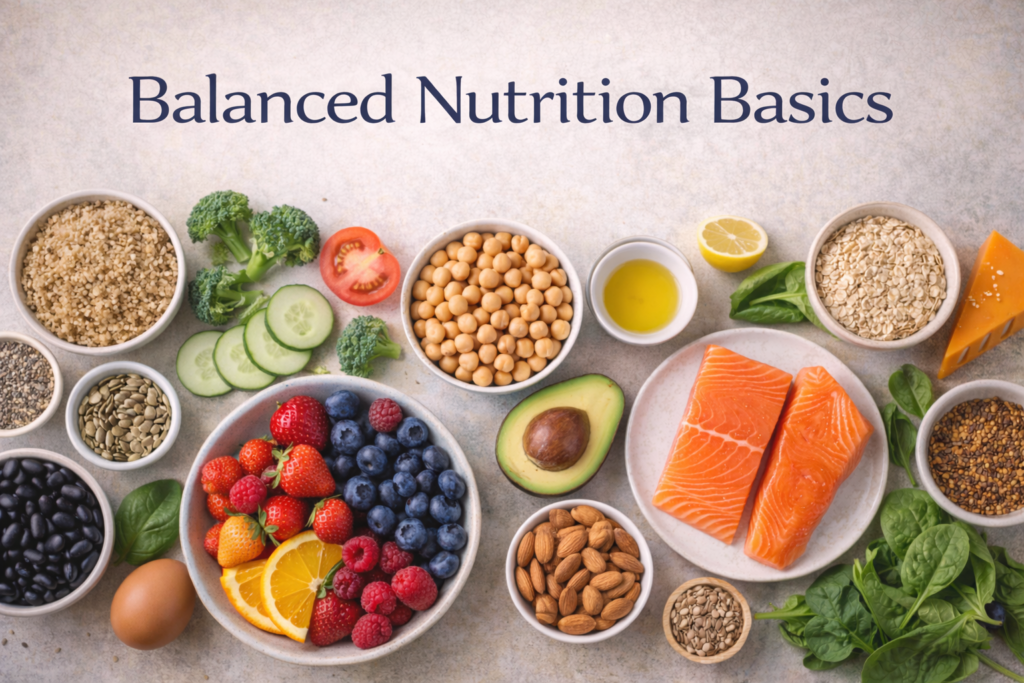
- Fibre: adds volume without many calories and slows the release of glucose into your bloodstream. Vegetables, berries, and whole grains are strong sources.
- Fat: further slows digestion and adds staying power. A small amount goes a long way — you do not need much.
Carbohydrate is not the enemy here. The problem is carbohydrate eaten alone, with nothing to slow its absorption. Pair it with protein and fat, and the same carbohydrate behaves completely differently in your body.
Healthy Snacking Combinations That Actually Hold You Over
These combinations follow the three-part formula above. Each one pairs protein with fibre or fat, so blood glucose rises and falls more gradually.
Grab-and-go options
- Plain Greek yogurt with a handful of berries and a spoon of chopped nuts
- A hard-boiled egg with a small piece of fruit
- A small handful of almonds or walnuts with a few dried apricots
- Cottage cheese with sliced cucumber or cherry tomatoes
- String cheese with an apple
Prep-ahead options
- Hummus with carrot sticks, cucumber, and bell pepper strips
- Sliced turkey or chicken rolled around a thin slice of avocado
- Edamame with a sprinkle of sea salt — a half-cup provides meaningful protein and fibre together
- Overnight chia pudding made with milk or a fortified plant milk, topped with a few berries
Desk and travel options
- A small tin of tuna or salmon with wholegrain crackers
- A protein shake made with milk or a plant-based alternative
- Nut butter on apple slices or wholegrain crackers
- Roasted chickpeas — a portable source of both protein and fibre
For more ideas on building this kind of balance into a full week — not just individual snacks — our guide on Meal Prepping for Busy Professionals: A Beginner’s Guide covers batch-prepping proteins and portioned snacks so healthier choices are the easy default, not a daily decision.
When It Isn’t Actually Hunger
Not every urge to snack comes from your stomach. Reaching for food repeatedly, even shortly after eating, is often a sign that something other than physical hunger is driving the behaviour. Learning to tell the difference is one of the most useful skills in healthy snacking — because no snack, however balanced, satisfies a need that isn’t actually about food.
Physical hunger versus head hunger — a quick self-check
- Physical hunger builds gradually, is felt in the stomach, and is satisfied by any reasonable food. Head hunger appears suddenly and is often focused on one specific food.
- Physical hunger responds to a glass of water and 10 minutes of waiting — it doesn’t disappear, but it doesn’t spike either. Head hunger often persists or intensifies during that same wait.
- Ask yourself: would a piece of chicken or a bowl of vegetables satisfy this urge right now? If the honest answer is no — only a specific comfort food will do — this is more likely to be about stress, boredom, habit, or tiredness than about energy needs.
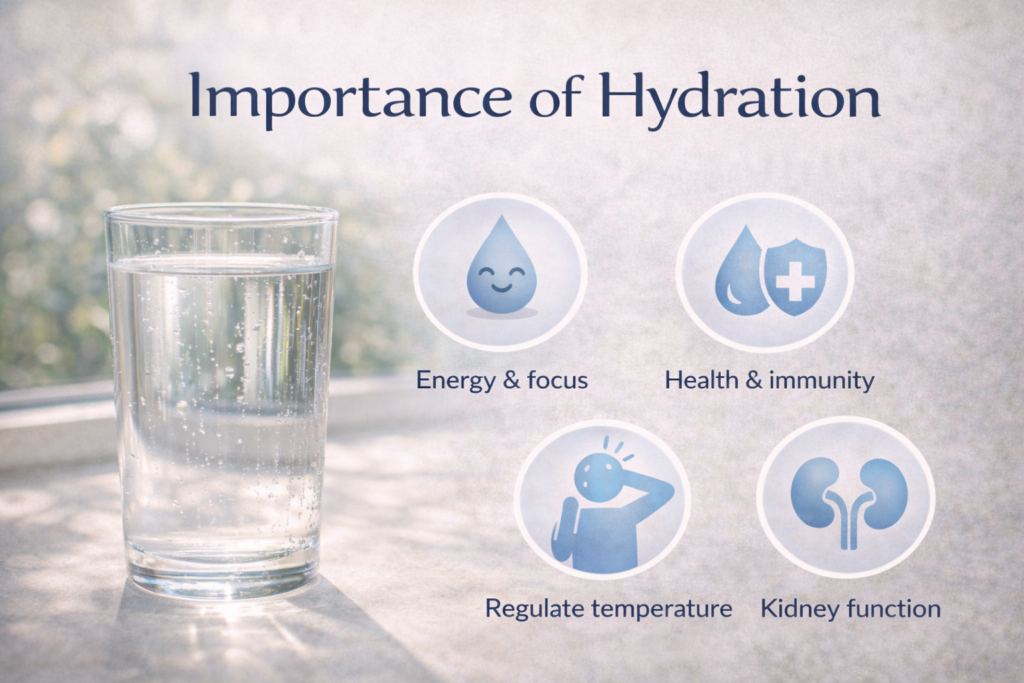
Thirst is frequently mistaken for hunger, since the sensations overlap in the brain. Poor sleep also raises ghrelin and lowers leptin the following day, which is one of the most well-documented reasons that tired people reach for food more often — and specifically for higher-calorie, carbohydrate-heavy food.
How Often Should You Actually Snack?
There is no single correct number of snacks per day — this depends on your meal sizes, activity level, and how long the gaps between meals run. As a general guide, most adults do well with one to two snacks a day, positioned in the longest gaps between meals rather than added on top of already-adequate meals.
Snacking to prevent a genuine energy dip — for example, a five-hour gap between lunch and dinner — is a useful, protective habit. Snacking on a schedule regardless of hunger, or snacking within an hour of a full meal, is more often a sign that the previous meal didn’t include enough protein or fibre to begin with.
A Sample Day of Balanced Snacking
- Mid-morning (if breakfast was light): Greek yogurt with berries and a few walnuts
- Mid-afternoon: Hummus with vegetable sticks, or an apple with nut butter
- Evening, if dinner is late: A small handful of nuts with a piece of fruit, or cottage cheese with cucumber
Notice that each option pairs a protein or fat source with something fibre-rich. That pairing is the entire strategy — once it becomes automatic, you stop needing to think about it.
The NHS guide to healthier snacks offers further practical swaps and portion guidance for building better snacking habits into daily life.
Key Takeaways
- Healthy snacking fails most often because the snack is built from fast-digesting carbohydrate alone, which raises and then drops blood glucose quickly — one of the strongest triggers for hunger returning within an hour or two.
- Ghrelin and leptin — your body’s hunger and fullness hormones — respond directly to what you eat. Protein and fibre slow their swings; refined carbohydrate alone speeds them up.
- A snack that actually holds hunger back combines protein, fibre, and a small amount of fat — not just one of the three.
- Not all snack urges come from physical hunger. Sudden, food-specific cravings that appear shortly after a meal are more often linked to stress, poor sleep, thirst, or habit.
- One to two well-placed snacks a day, positioned in the longest gaps between meals, works better for most adults than scheduled snacking regardless of hunger.
Final Thoughts
Healthy snacking doesn’t require more discipline. It requires a better formula. The reason so many people feel like they’re “always hungry” despite trying to eat well isn’t a personal failing — it’s that most default snack foods are built to be quick and convenient, not to be satisfying. Protein, fibre, and a small amount of fat change that equation completely, and the change is available in the same five minutes it takes to grab a rice cake.
Next time hunger hits between meals, pause for the self-check above before you reach for anything. If it’s genuine hunger, reach for a snack that pairs at least two of the three building blocks. If it isn’t, address what’s actually driving it — water, rest, or a few minutes away from your desk often does more than food ever will.
Balance the plate, even in miniature. That’s the whole strategy.
Medical Disclaimer: The information on this page is provided for educational and informational purposes only and is not intended as medical advice. It should not replace consultation with a qualified healthcare professional. For full details, please read our Disclaimer.