Healthy habits for better brain health aren’t complicated or mysterious. Harvard Health confirms this directly. Getting enough sleep, exercising regularly, and eating a Mediterranean-style diet may all contribute to sharper thinking. None of these habits require special equipment or expensive supplements.
This article covers exactly what the research shows, and practical steps that genuinely protect your brain over the years ahead.
Seasonal illness can disrupt these same habits too, particularly sleep and focus. Our guide on Understanding Seasonal Allergies covers one common disruptor worth knowing about.
Why Sleep Matters So Much for Brain Health
During sleep, your brain’s glymphatic system flushes out waste produced throughout the day. This includes toxins linked to Alzheimer’s disease, like the protein amyloid-beta. Sleep is also when your brain consolidates and stores information you’ve learned into long-term memory.
Skimping on sleep interferes with both processes directly. Getting at least seven hours a night gives your brain genuine time to clear waste and strengthen memory, rather than simply resting.
Healthy Habits for Better Brain Health: Exercise and Blood Flow
Exercise does more for your brain than most people realise. It promotes the release of a molecule called brain-derived neurotrophic factor. This molecule repairs brain cells, strengthens their connections, and even enlarges the hippocampus, the brain region involved in memory.
Exercise also increases blood flow to the brain directly. This may help protect the brain’s own waste-clearing system, working alongside the benefits sleep provides. Regular movement, even moderate amounts, genuinely supports long-term cognitive health.
Sleep and movement work together closely here. Our guide on The Link Between Sleep and Mental Health covers this broader connection in more depth.
What You Eat Affects How You Think
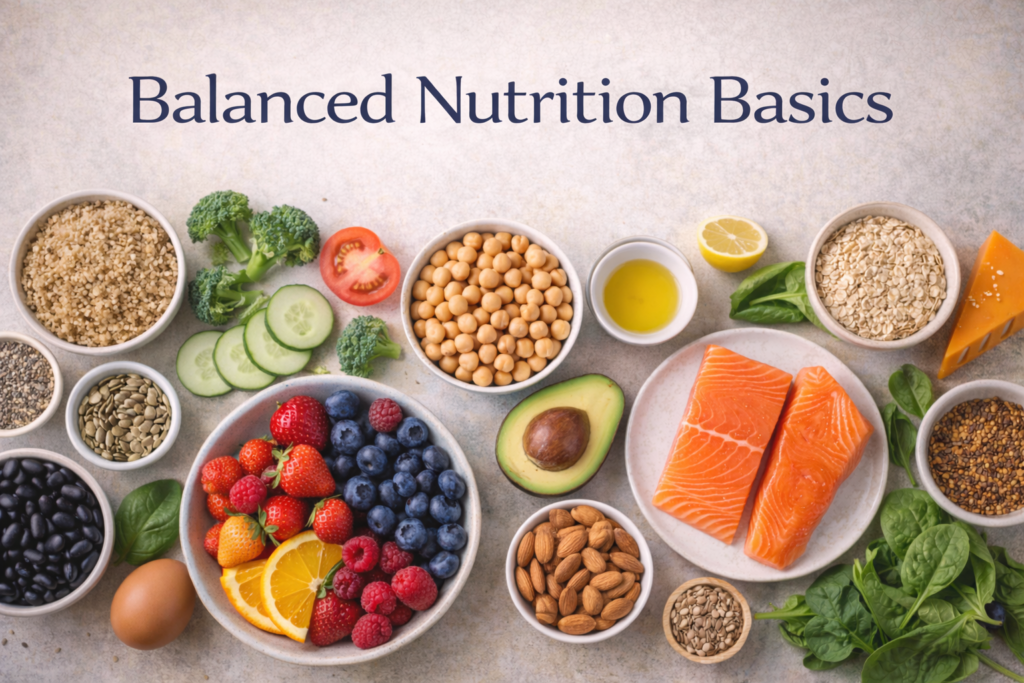
Diet plays a direct role in brain health, not just physical health. Harvard Health notes that avoiding processed foods, sugary foods, and animal fats, aside from fish, protects against poor cardiovascular health. This matters for your brain specifically, since tiny, often symptomless strokes can slowly damage brain cells over time.
A plant-based, Mediterranean-style approach is consistently linked to better outcomes. Leafy greens, berries, and foods rich in healthy fats appear repeatedly in the research behind sharper, longer-lasting cognitive function.
Managing Stress Protects Your Memory Too
Stress doesn’t just affect your mood. It makes it genuinely harder to retrieve information already stored in your brain. Chronic, unmanaged stress can shrink the prefrontal cortex, the area responsible for memory and learning.
Building regular stress management into your routine isn’t a luxury. It’s a direct, evidence-backed way to protect cognitive function over time.
Social Connection and Mental Stimulation
A few additional habits carry real, if slightly less extensive, evidence behind them.
- Stay socially engaged: positive relationships and regular social contact have been shown to help protect cognition as you age.
- Challenge your mind regularly: reading, puzzles, and learning new skills all stimulate new connections between brain cells.
- Sit less throughout the day: prolonged sitting has been linked to changes in brain regions responsible for memory formation.
- Skip unnecessary supplements: there’s no solid evidence that vitamins or supplements improve brain health on their own. Food-based nutrition matters more.
It’s Never Too Late to Start
Even with a family history of dementia, or existing mild cognitive impairment, people can still reduce their risk through a heart-healthy lifestyle. The brain responds to these habits at any age, not just earlier in life.
The Harvard Health guide to healthy habits for memory covers this research in further detail.
Key Takeaways
- Healthy habits for better brain health centre on sleep, exercise, diet, and stress management, not complicated interventions.
- Sleep allows your brain to flush out waste and consolidate memory, making at least seven hours genuinely important.
- Exercise strengthens brain cell connections directly and increases blood flow, supporting both memory and cognitive protection.
- A Mediterranean-style diet, built around whole foods, protects both heart and brain health together.
- These benefits apply at any age, even for people with existing risk factors or mild cognitive changes.
Final Thoughts
Healthy habits for better brain health don’t require a dramatic overhaul. Sleep well. Move regularly. Eat real food. Manage stress where you can. These ordinary habits carry genuinely extraordinary evidence behind them.
Start with one area this week. Protect an extra half hour of sleep, or add a short daily walk. Small, consistent choices, repeated over months and years, are exactly what the research shows actually protects a sharper mind.
Your brain responds to how you treat it every single day.
Medical Disclaimer: The information on this page is provided for educational and informational purposes only and is not intended as medical advice. It should not replace consultation with a qualified healthcare professional. For full details, please read our Disclaimer.