The question “does sugar feed cancer” is one of the most searched health questions online. You cut out sugar after a diagnosis. A friend refuses birthday cake because cancer runs in her family. Someone shares a post claiming that sugar is the reason cancer spreads.
It sounds convincing. But the reality is more layered than most of what circulates online suggests.
There is real science behind the sugar and cancer conversation. The problem is that the conclusion most people draw from it is oversimplified in ways that can lead to unnecessary fear — or, in some cases, harmful dietary decisions.
This article unpacks what the research actually shows, what cancer cells do with glucose, and what you can reasonably do about your diet.
How cancer cells use sugar
To understand whether sugar feeds cancer, it helps to understand how cancer cells get their energy.
All cells in the body — healthy and cancerous — use glucose as a primary fuel source. Glucose is the form of sugar the body creates from the carbohydrates you eat. Without it, cells cannot function.
What makes cancer cells different is how they use glucose. In the 1920s, a scientist named Otto Warburg observed that cancer cells tend to consume glucose at a much faster rate than healthy cells. They also process it differently, using a less efficient pathway even when oxygen is available. Researchers call this the Warburg effect.
This is where the “sugar feeds cancer” idea comes from. Cancer cells do consume more glucose than normal cells. That part is accurate.
What is not accurate is the conclusion that eating sugar directly causes cancer to grow faster in the body.
Why cutting sugar does not starve cancer
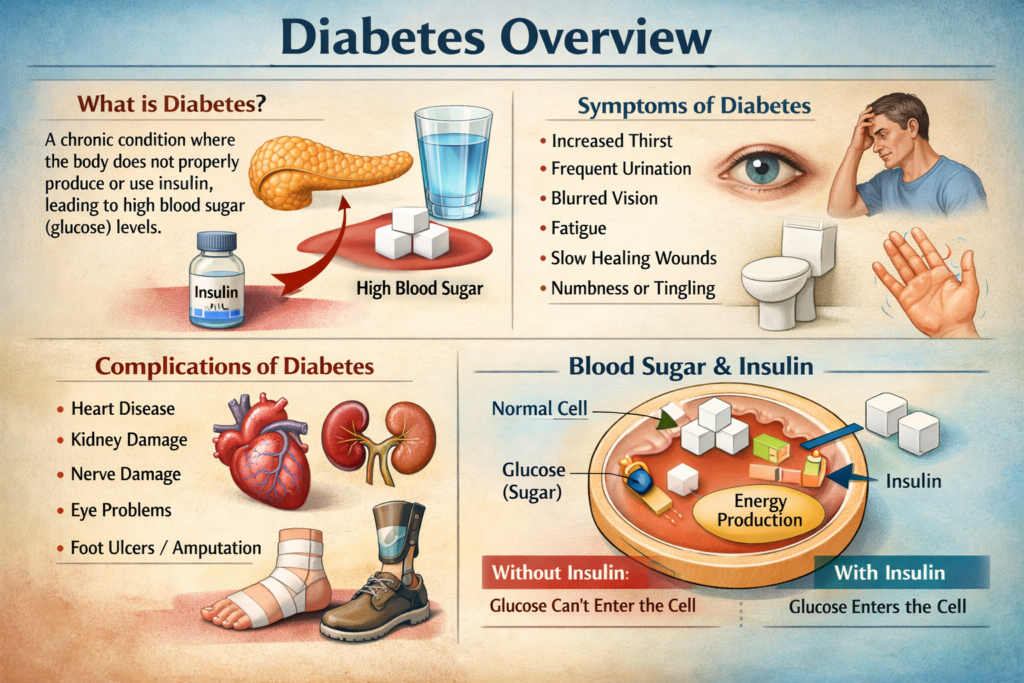
The body tightly regulates blood glucose levels. When you eat carbohydrates, your digestive system breaks them down into glucose, and the hormone insulin helps move that glucose into your cells.
Here is the key point: the body does not selectively send glucose to cancer cells. Blood glucose reaches every cell in the body through the same bloodstream. If you eat less sugar, your blood glucose drops slightly — but it drops for every cell, not just cancer cells.
Cancer cells do not have a special pipeline to glucose that you can block by reducing your sugar intake. The body will continue supplying glucose to all cells as long as you eat carbohydrates of any kind — including fruit, wholegrains, and vegetables.
Trying to starve cancer by cutting out sugar would, in practice, also deprive the brain, heart, and immune system of the fuel they need to function. This is not a medically viable or safe strategy.
What does sugar feed cancer research actually show
Researchers continue to study the relationship between diet, blood sugar, and cancer risk. The picture that emerges is more nuanced than a simple yes or no.
High sugar intake and cancer risk
Eating large amounts of sugar consistently raises blood glucose and insulin levels. High insulin levels promote cell growth — and that includes potentially promoting the growth of cancer cells in people who already have the disease.
High sugar diets also contribute to excess body weight. Body fat, particularly around the abdomen, produces hormones and chemicals that promote inflammation. Chronic inflammation is a known driver of several types of cancer, including bowel, breast, and endometrial cancer.
So while sugar itself does not directly feed cancer in a simple cause-and-effect way, a consistently high sugar intake creates conditions in the body that are known to increase cancer risk over time.
Sugar, insulin resistance, and cancer
People with type 2 diabetes and insulin resistance have higher circulating levels of insulin and a related hormone called IGF-1. Both of these promote cell division and growth. Research consistently finds that people with insulin resistance face a higher risk of certain cancers, particularly bowel, liver, and pancreatic cancer.
This is not proof that sugar directly feeds cancer. It does suggest that the metabolic environment created by long-term high sugar consumption plays a real role in cancer development.
Does sugar cause cancer to spread faster?
No current evidence confirms that eating sugar after a cancer diagnosis causes tumours to grow faster or spread more quickly. The Warburg effect means cancer cells are hungry for glucose, but they access the same blood glucose pool as every other cell in the body.
Some researchers are studying whether very low carbohydrate diets might slow certain cancers by reducing circulating insulin and IGF-1. Results so far are promising in some animal studies but have not yet translated into confirmed clinical recommendations for humans.
Read more about understanding lymphatic drainage benefits.
The problem with the “sugar feeds cancer” claim
The statement “sugar feeds cancer” is not entirely wrong — but it is incomplete in a way that causes real harm.
When people hear this, many conclude that they should cut out all carbohydrates, including fruit, legumes, and wholegrains. These foods are among the most protective against cancer. Fibre from these sources feeds beneficial gut bacteria, reduces inflammation, and supports immune function — all of which are relevant to cancer prevention and recovery.
Replacing these foods with high-fat, low-fibre alternatives in an attempt to “starve cancer” can reduce the very nutrients the body needs most during treatment or prevention.
Fear-based dietary restriction during cancer treatment can also lead to unintended weight loss and malnutrition, both of which make treatment harder and recovery slower.
What the evidence actually supports for diet and cancer
Rather than focusing on cutting out sugar specifically, cancer researchers consistently point to a broader dietary pattern as more meaningful for risk reduction.
Limit added sugar and refined carbohydrates
Reducing the amount of added sugar — found in sugary drinks, sweets, processed snacks, and desserts — is a reasonable and evidence-supported step. These foods raise blood glucose quickly, contribute to weight gain, and add calories without nutritional value.
This is not the same as avoiding all carbohydrates. Wholegrains, legumes, and fruit raise blood sugar more slowly and come with fibre, vitamins, and protective plant compounds.
Maintain a healthy body weight
Excess body weight is one of the most clearly established risk factors for several types of cancer. A diet low in added sugar supports healthy weight management, which reduces the cancer-promoting effects of excess body fat.
Focus on a plant-rich diet
Vegetables, fruit, wholegrains, legumes, nuts, and seeds consistently show protective effects in cancer research. These foods contain fibre, antioxidants, and anti-inflammatory compounds that help the body maintain healthier cellular environments.
Reduce ultra-processed food intake
Ultra-processed foods — including packaged snacks, fast food, processed meats, and sugary drinks — are associated with increased cancer risk independent of their sugar content. Cutting back on these reduces overall cancer risk in ways that go beyond glucose management alone.
For more on how diet influences inflammation and immune function, read our article on Inflammation 101: How to Know if You Have It and What to Eat Next.
What to do if you have been diagnosed with cancer
If you are managing a cancer diagnosis and wondering about your diet, the most important step is to speak with a registered dietitian who has experience in oncology nutrition.
General guidance from cancer organisations includes:
- eat a balanced, varied diet that includes plenty of vegetables, fruit, and wholegrains
- reduce added sugar and ultra-processed food intake
- maintain a stable, healthy body weight throughout treatment where possible
- avoid extreme dietary restrictions without medical supervision, as these can worsen outcomes during treatment
- stay well hydrated throughout the day
No single dietary change has been shown to cure cancer or prevent it from returning. Diet is one part of a much larger picture that includes genetics, environment, treatment, and overall lifestyle.
If you are also concerned about blood sugar levels and their connection to cancer risk, our article on High Blood Sugar: What It Means and What to Do About It covers this in more detail.
When to see a doctor
See a doctor promptly if you:
- notice unexplained weight loss, persistent fatigue, or changes in bowel habits that last more than two to three weeks
- have a family history of cancer and want to discuss screening options
- have been diagnosed with type 2 diabetes or insulin resistance and want to understand your cancer risk
- are considering a major dietary change during cancer treatment and have not yet discussed it with your care team
- have concerns about a lump, unusual pain, or any symptom that feels out of the ordinary
Early detection significantly improves outcomes for most cancer types. Do not wait to raise concerns with a healthcare professional.
The World Cancer Research Fund’s cancer prevention recommendations provide a comprehensive, evidence-based guide to diet and cancer risk reduction.
Key Takeaways
- The answer to “does sugar feed cancer” is not a simple yes. Cancer cells consume more glucose than healthy cells, but the body does not selectively route sugar to cancer.
- Cutting out sugar does not starve cancer. Blood glucose drops for all cells equally, not just cancer cells.
- High sugar intake raises insulin and IGF-1 levels, which promote cell growth and increase cancer risk over time.
- Excess body weight from high sugar diets promotes inflammation, a known driver of several cancers.
- No current evidence shows that eating sugar after diagnosis makes tumours grow faster or spread more quickly.
- Reducing added sugar and ultra-processed foods, maintaining a healthy weight, and eating a plant-rich diet are the most evidence-supported dietary steps for cancer prevention.
- Extreme carbohydrate restriction during cancer treatment can cause malnutrition and worsen outcomes. Always consult a healthcare professional before making major dietary changes.
Conclusion
The idea that sugar feeds cancer contains a kernel of truth that gets distorted into something far more alarming than the evidence supports.
Cancer cells do use glucose intensively. High sugar diets do create conditions that raise cancer risk over time. These are real findings worth taking seriously.
What the science does not support is the idea that cutting out all sugar or carbohydrates will starve a tumour, prevent cancer from returning, or replace medical treatment. These claims go beyond what current research confirms.
The most useful response to this question is not fear of fruit or guilt over a piece of birthday cake. It is a consistent, plant-rich diet low in added sugar and processed food — combined with regular movement, healthy weight management, and appropriate medical screening.
If you have concerns about your diet and cancer risk, a registered dietitian or oncologist is the right person to guide you.
Medical Disclaimer: The information on this page is provided for educational and informational purposes only and is not intended as medical advice. It should not replace consultation with a qualified healthcare professional. For full details, please read our Disclaimer.