Feeling emotionally exhausted rarely arrives all at once. Mayo Clinic Health System describes it as a state of feeling worn out and drained that builds slowly, often from stress that continues without a break. Many people don’t notice it happening until they’re already deep inside it, wondering why simple tasks suddenly feel so heavy.
This article covers the specific signs of emotional exhaustion, how it differs from ordinary tiredness, and what genuinely helps you recover from it.
For more on how anxiety can build quietly beneath a functioning exterior, read our guide on High-Functioning Anxiety: Why You Look Fine But Feel Drowning.
What It Actually Means to Be Emotionally Exhausted
Emotional exhaustion happens when ongoing stress outpaces your capacity to recover from it. Mayo Clinic Health System explains that your body often interprets stress as a threat to survival. Your brain responds by releasing stress hormones throughout your body, and over time, this constant activation wears down your emotional reserves.
Unlike a single bad day, emotional exhaustion tends to develop from stress that continues without resolution — caregiving, an unmanageable workload, grief, or a difficult life period that doesn’t seem to ease up. It affects three areas at once: emotional, physical, and performance.
Signs You’re Emotionally Exhausted
These signs often build gradually enough that they’re easy to dismiss individually, even when the overall pattern is clear.
Emotional signs
- Feeling detached or numb: emotions that used to feel sharp — joy, frustration, excitement — start to feel muted or distant.
- Increased irritability: small frustrations trigger a bigger reaction than they used to, particularly with people close to you.
- A sense of dread about ordinary responsibilities: tasks that used to feel manageable now feel disproportionately heavy before you’ve even started them.
- Reduced empathy: caring about other people’s problems takes more effort than it used to, even for people you genuinely love.
Physical signs
- Persistent fatigue that rest doesn’t fix: waking up tired despite sleeping, or feeling drained within an hour of starting your day.
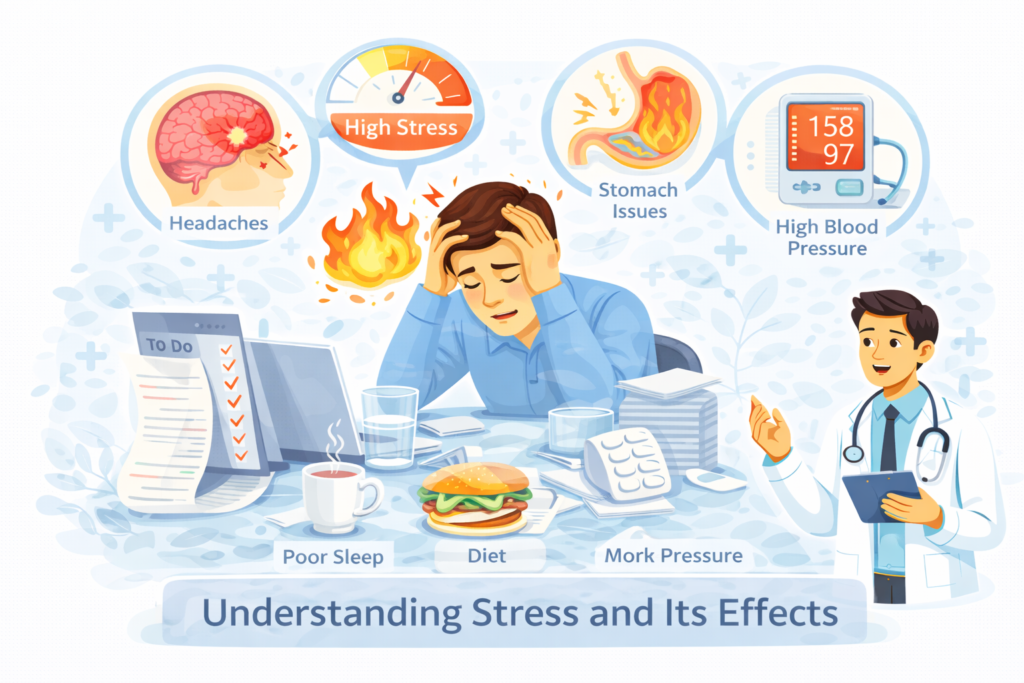
- Headaches and muscle tension: chronic stress shows up physically, often as tension headaches or a tight jaw and shoulders.
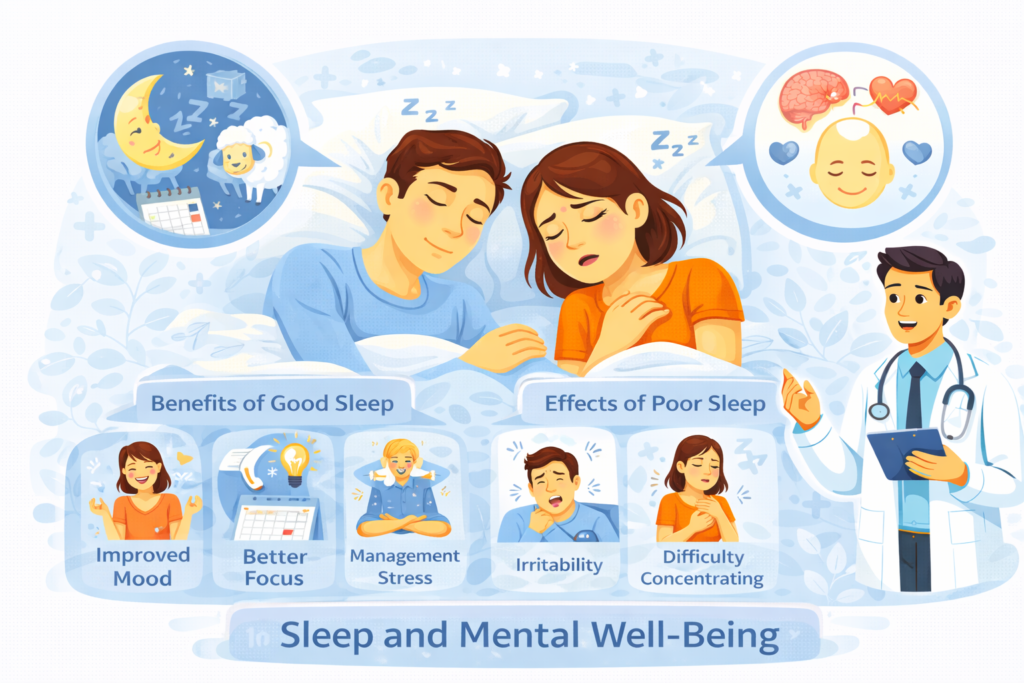
- Changes in sleep or appetite: either struggling to fall asleep despite exhaustion, or eating noticeably more or less than usual.
- Getting sick more often: prolonged stress affects immune function, making minor illnesses more frequent.
Performance signs
- Difficulty concentrating: focus feels harder to hold onto, even for tasks that used to come easily.
- Lack of motivation: starting tasks feels like pushing against real resistance, not simple procrastination.
- Withdrawing from people and activities: socialising or hobbies that used to feel restorative start to feel like one more demand.
Emotionally Exhausted vs. Ordinary Tiredness
Ordinary tiredness responds to rest. A good night’s sleep or a restful weekend genuinely helps. Emotional exhaustion is different. Rest provides only temporary relief, because the underlying stressor is still present and unresolved. This is one of the clearest signals that what you’re dealing with is emotional exhaustion rather than simple fatigue.
Chronic overcommitment is one of the most common paths toward emotional exhaustion, particularly for people who struggle to say no. Our guide on Saying No and Mental Health covers how setting boundaries protects against this exact pattern.
What Actually Helps Emotional Exhaustion
Recovery starts with identifying what’s driving the exhaustion, since the right response depends heavily on the cause.
- Identify what you can minimise or eliminate: Mayo Clinic Health System recommends looking honestly at your stressors and reducing whatever is genuinely within your control.
- Focus on the present when a stressor can’t be changed: when a source of stress is out of your hands, deliberately noticing neutral or positive moments happening around you can create real perspective.
- Protect real recovery time: rest that’s constantly interrupted by notifications, obligations, or planning ahead doesn’t function as true recovery.
- Talk to someone about it: naming what you’re experiencing, to a trusted person or a professional, often relieves some of the weight simply by making it less invisible.
The Mayo Clinic Health System guide to emotional exhaustion offers further detail on causes and coping strategies.
When to Seek Professional Support
Mayo Clinic Health System advises speaking with a mental health professional if you recognise signs of emotional exhaustion in yourself. This is particularly important if exhaustion is significantly affecting your relationships, work, or daily functioning, or if it’s accompanied by persistent low mood, hopelessness, or thoughts that feel difficult to manage alone. A professional can help you sort through the specific causes and build a plan suited to your situation.
Key Takeaways
- Feeling emotionally exhausted usually builds slowly, from ongoing stress rather than a single difficult event.
- Signs span three areas: emotional (numbness, irritability), physical (fatigue, headaches), and performance (difficulty concentrating, reduced motivation).
- Unlike ordinary tiredness, emotional exhaustion doesn’t resolve with rest alone, because the underlying stressor remains unaddressed.
- Recovery starts with identifying which stressors can be reduced or eliminated, and protecting genuinely uninterrupted rest.
- Persistent emotional exhaustion, especially alongside low mood or hopelessness, is worth discussing with a mental health professional.
Final Thoughts
Being emotionally exhausted isn’t a personal failing or a sign you’re not resilient enough. It’s a predictable result of stress that’s gone on longer than your capacity to recover from it. The signs are often easy to dismiss individually — a bad week, a rough patch — which is exactly why the overall pattern deserves real attention.
If several of the signs above feel familiar, that recognition is worth taking seriously rather than pushing past. Naming what’s happening is often the first real step toward addressing it.
You’re not weak for feeling this. You’re depleted, and depletion asks for rest, not more pushing through.
Medical Disclaimer: The information on this page is provided for educational and informational purposes only and is not intended as medical advice. It should not replace consultation with a qualified healthcare professional. For full details, please read our Disclaimer.