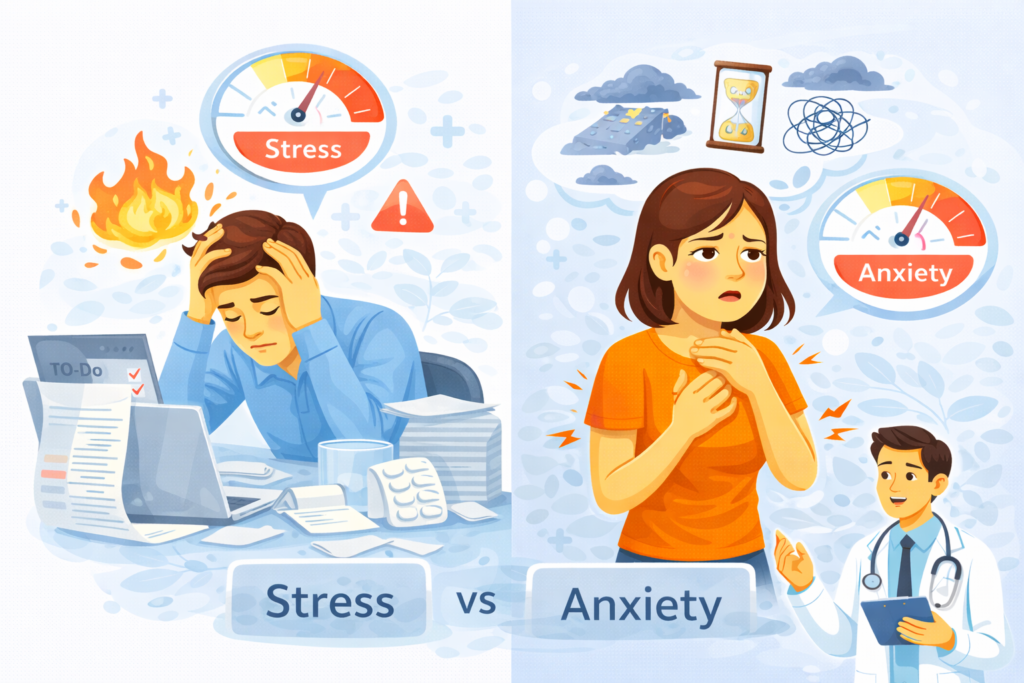
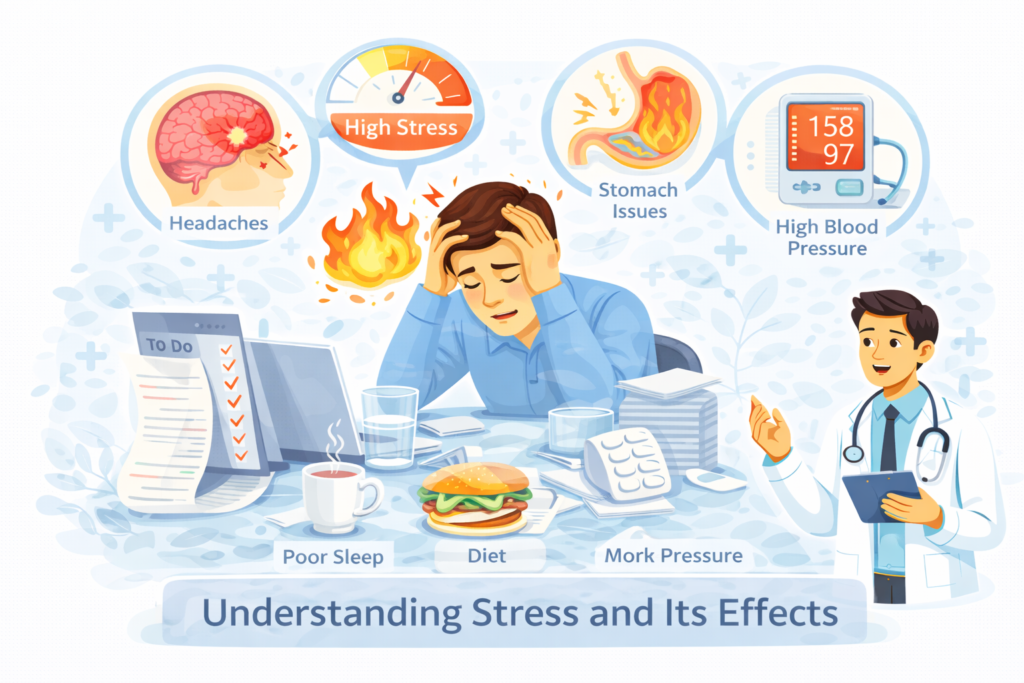
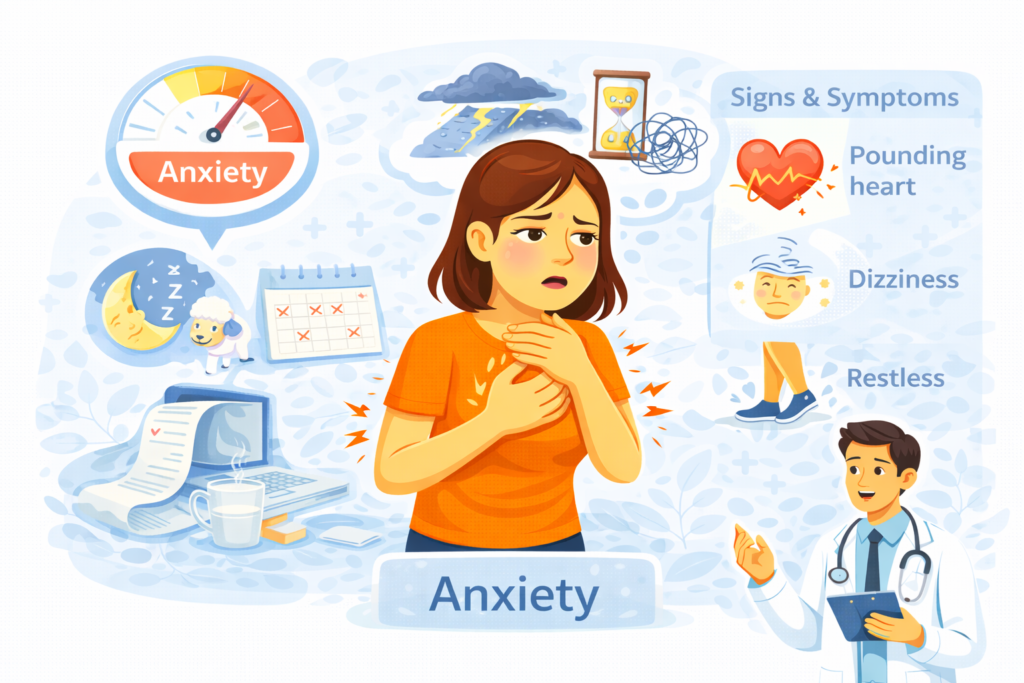
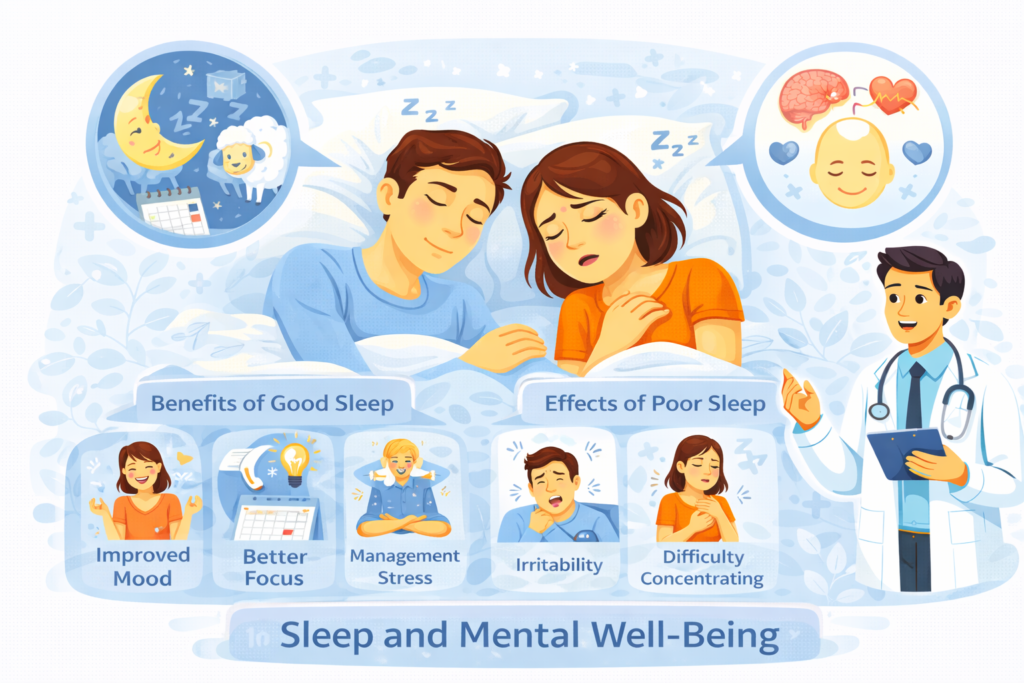
Everyone faces emotional challenges at different points in life. Feeling stressed, anxious, low, or overwhelmed does not mean something is wrong; it means you are human. Still, there are times when emotional struggles begin to feel heavier, last longer, or interfere with daily life.
Knowing when to seek help for mental health concerns can be empowering. It helps people move from coping alone to getting support that can make life feel more manageable. Seeking help is not a sign of weakness; it is a positive step toward care, understanding, and balance.
What It Is
Seeking help for mental health concerns means reaching out for professional or supportive care when emotional or psychological difficulties become hard to manage alone. This support may come from healthcare professionals, mental health specialists, or trusted support systems.
Mental health concerns exist on a spectrum. Some challenges are temporary and improve with rest or lifestyle changes. Others may persist or intensify and benefit from professional guidance. Knowing when to ask for help allows concerns to be addressed earlier, before they grow more disruptive.
Common Situations That May Signal a Need for Help
Mental health concerns can show up in different ways. Situations that may suggest it’s time to seek help include:
- Emotional distress that lasts for weeks or longer, without improvement
- Stress, anxiety, or low mood that interferes with work, school, or relationships
- Feeling overwhelmed most days, even by small tasks
- Persistent fatigue or emotional exhaustion
- Sleep problems that continue despite rest
- Noticeable changes in mood or behavior, such as withdrawal or irritability
- Difficulty coping with major life events, such as loss or significant change
These signs do not mean someone has failed, they often mean support is needed.
Signs and Symptoms That Deserve Attention
Mental health concerns can affect emotions, thoughts, and physical well-being. Signs that may deserve professional attention include:
- Feeling persistently sad, anxious, or emotionally numb
- Loss of interest in activities once enjoyed
- Difficulty concentrating or making decisions
- Ongoing irritability or emotional sensitivity
- Changes in sleep, appetite, or energy levels
- Feeling disconnected from others
When these experiences begin to affect daily functioning or quality of life, reaching out for help can be beneficial.
How Seeking Help Is Approached
Seeking help usually starts with a conversation. This may be with a primary healthcare provider, mental health professional, counselor, or therapist. These discussions often focus on emotional experiences, stressors, sleep, daily routines, and overall well-being.
Professionals aim to understand patterns over time rather than focusing on a single moment. This helps guide appropriate support options tailored to individual needs.
General Support and Care Options
Support for mental health concerns varies and may include different forms of care. At a general level, support may involve:
- Professional mental health care, such as counseling or therapy
- Lifestyle adjustments, including sleep, routine, and stress management
- Social support, from trusted friends, family, or community
- Building coping skills, to manage emotions more effectively
- Medical evaluation, when emotional symptoms overlap with physical health concerns
Care is often collaborative and may evolve over time.
Reducing Barriers to Seeking Help
Many people delay seeking help due to fear, stigma, or uncertainty. Common concerns include worrying about judgment, not knowing where to start, or believing problems are “not serious enough.”
It can help to remember:
- Emotional struggles are common
- Support is meant to help, not label
- Early care often leads to better outcomes
- Seeking help is an act of self-respect and strength
Reducing barriers starts with normalizing mental health care as part of overall health.
When to Seek Help Urgently
While many concerns develop gradually, some situations require more immediate professional attention, especially when emotional distress feels intense, rapidly worsening, or overwhelming. Prompt support helps ensure safety, clarity, and appropriate care.
Reaching out early, rather than waiting, can make a meaningful difference.
Key Takeaways
- Emotional challenges are common, and knowing when to seek help for mental health concerns can be empowering.
- Signs that indicate a need for help include prolonged emotional distress, persistent fatigue, and difficulties in coping with life changes.
- Seeking help often begins with a conversation with a healthcare provider or mental health professional who can guide appropriate support options.
- General support for mental health may include professional care, lifestyle adjustments, and building coping skills.
- Reducing barriers to help-seeking involves normalizing mental health care and understanding that early intervention leads to better outcomes.
Medical Disclaimer:
The information on this page is provided for educational and informational purposes only and is not intended as medical advice. It should not replace consultation with a qualified healthcare professional. For full details, please read our Disclaimer.