Busy lives often leave little room for intentional self-care. Between work, family responsibilities, studies, and daily obligations, wellness can feel like something reserved for “when things slow down.” For many people, that slower time never comes.
Wellness does not require long routines, expensive tools, or major lifestyle overhauls. In reality, sustainable wellness for busy lives is built through small, flexible practices that fit into real schedules.
What It Is
Wellness practices are intentional actions that support physical, mental, and emotional health. For busy lives, these practices focus on efficiency, flexibility, and consistency rather than time-consuming routines.
Wellness in this context is not about doing everything, it’s about doing enough to support balance. Even short moments of rest, movement, nourishment, or emotional reset can positively influence energy, mood, and resilience when practiced regularly.
Busy-life wellness adapts to changing schedules and priorities while still protecting core health needs.
Common Challenges to Wellness in Busy Lives
Many people want to care for their health but feel blocked by daily realities. Common challenges may include:
- Time constraints, making wellness feel optional or postponed
- Mental overload, leaving little energy for self-care decisions
- Irregular schedules, disrupting routines
- Fatigue, reducing motivation
- Stress, which narrows focus and limits recovery
- All-or-nothing thinking, where missed habits lead to giving up
These challenges are common, and they require adaptable solutions rather than rigid plans.
Signs That Wellness Support Is Needed
When wellness is consistently neglected, subtle signals often appear. Common signs may include:
- Ongoing tiredness or burnout
- Increased stress sensitivity
- Difficulty focusing or staying motivated
- Sleep disruption
- Digestive discomfort
- Emotional irritability or low mood
These signs often reflect cumulative strain rather than a single problem.
How Wellness Is Evaluated in Busy Lifestyles
Wellness in busy lives is best evaluated by patterns, not perfection. Healthcare professionals often look at sleep consistency, stress levels, daily movement, nutrition habits, and recovery time.
Evaluation focuses on identifying pressure points, areas where small changes could significantly reduce strain. This approach avoids overwhelming changes and emphasizes realistic improvement.
General Management and Care
Wellness practices for busy lives focus on integration rather than addition. At a high level, this may include:
- Micro-habits, such as short movement breaks or mindful pauses
- Routine anchoring, tying wellness actions to existing habits
- Simplified nutrition, prioritizing consistency over complexity
- Movement in daily tasks, rather than scheduled workouts
- Sleep protection, treating rest as essential rather than optional
- Intentional pauses, even brief moments to reset mentally
These practices work best when they reduce effort rather than increase it.
Prevention or Risk Reduction
While busy periods are unavoidable, certain habits may protect wellness over time. These may include:
- Setting realistic expectations during high-demand periods
- Allowing “good enough” habits instead of perfect ones
- Building recovery time into schedules
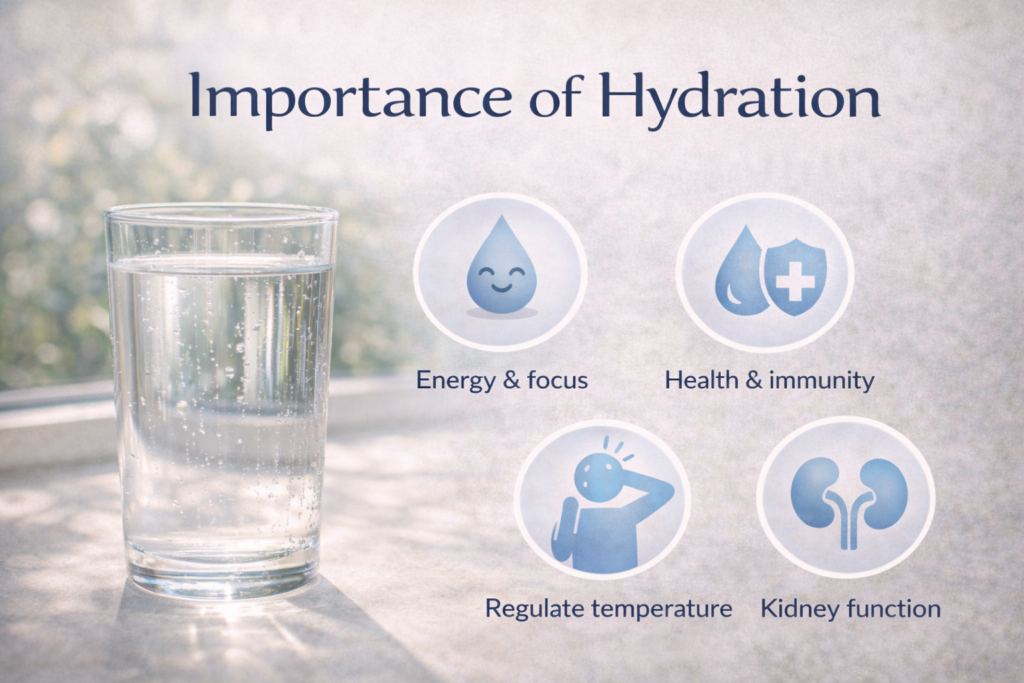
- Staying hydrated throughout the day
- Checking in regularly with physical and emotional signals
Prevention focuses on sustainability and self-awareness rather than intensity.
When to See a Healthcare Professional
It may be helpful to seek professional guidance if a busy lifestyle consistently leads to exhaustion, sleep disruption, emotional strain, or physical symptoms that do not improve with rest.
Professional support can help identify manageable strategies and address underlying contributors that make wellness feel difficult to maintain.
Key Takeaways
- Wellness practices focus on small, flexible actions that fit into busy lives, promoting physical, mental, and emotional health.
- Common challenges include time constraints, mental overload, irregular schedules, and all-or-nothing thinking.
- Signs of needing wellness support include ongoing tiredness, increased stress sensitivity, and difficulty concentrating.
- Evaluating wellness should focus on patterns, like sleep consistency, stress levels, and daily movement, rather than perfection.
- Successful wellness practices integrate micro-habits, simplify nutrition, and protect sleep, aiming for sustainability and self-awareness.
Medical Disclaimer:
The information on this page is provided for educational and informational purposes only and is not intended as medical advice. It should not replace consultation with a qualified healthcare professional. For full details, please read our Disclaimer.