Stress and anxiety are words people often use interchangeably, yet they are not the same experience. Many people say they feel “stressed” when overwhelmed by daily demands, and “anxious” when worry feels constant or hard to control. While these feelings are common, understanding the difference between stress and anxiety can help people better understand what they are experiencing.
Both stress and anxiety affect mental and physical well-being, and both can influence sleep, energy levels, focus, and mood. Learning how they differ, and how they overlap, can make it easier to recognize patterns and respond with awareness rather than self-blame.
What It Is
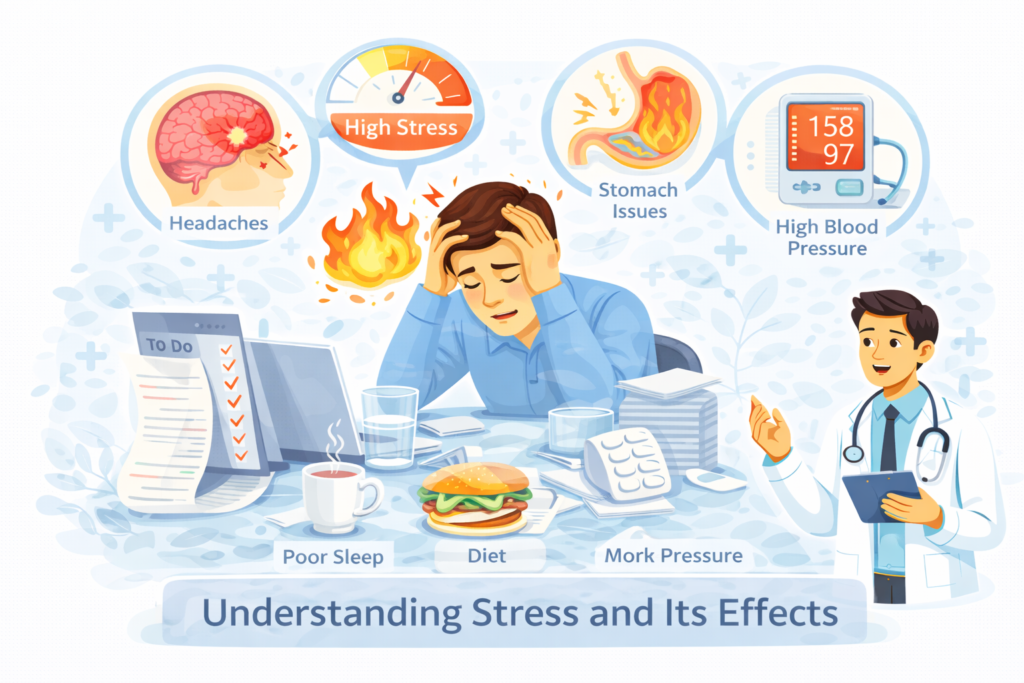
Stress is the body’s response to pressure or demands. It often arises from external situations, such as work deadlines, financial concerns, relationship challenges, or major life changes. Stress is usually tied to a specific cause and may ease once the situation improves or passes.
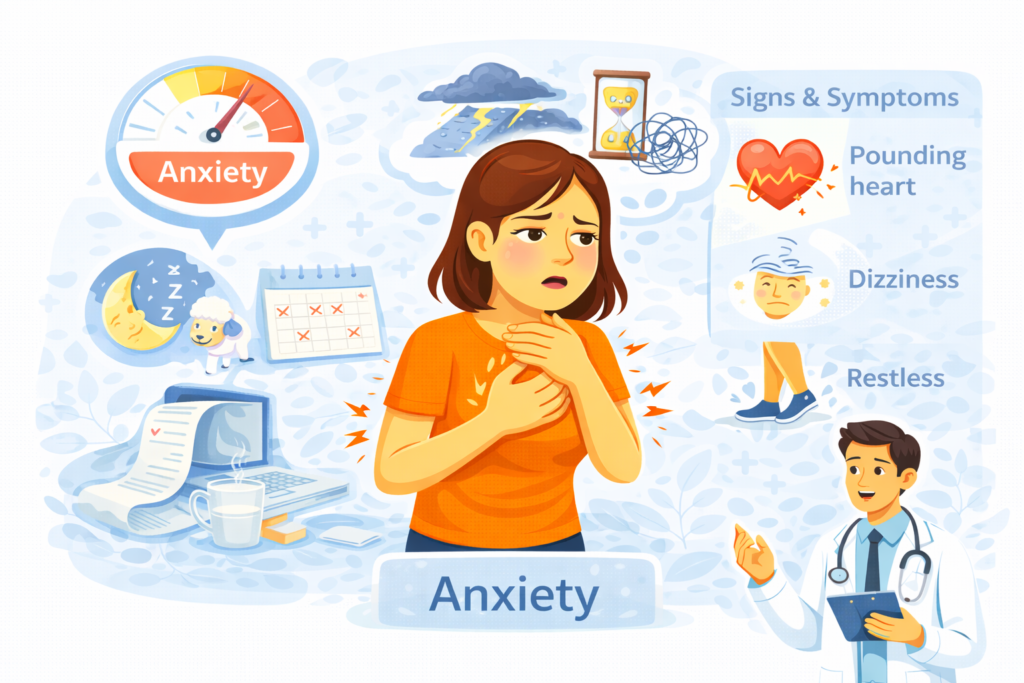
Anxiety, on the other hand, tends to involve ongoing worry, fear, or unease that may persist even when no immediate threat is present. Anxiety can feel more internal and may continue beyond specific stressors.
Both stress and anxiety are part of the human experience. Feeling stressed or anxious at times does not mean something is “wrong,” but persistent or overwhelming feelings can affect daily life.
Common Causes or Risk Factors
Stress and anxiety can develop for many reasons, and their causes often overlap. Common contributors may include:
- Work or academic pressure
- Financial uncertainty or life transitions
- Relationship challenges
- Health concerns, either personal or involving loved ones
- Chronic stress exposure, without enough time for recovery
- Past experiences, which may influence emotional responses
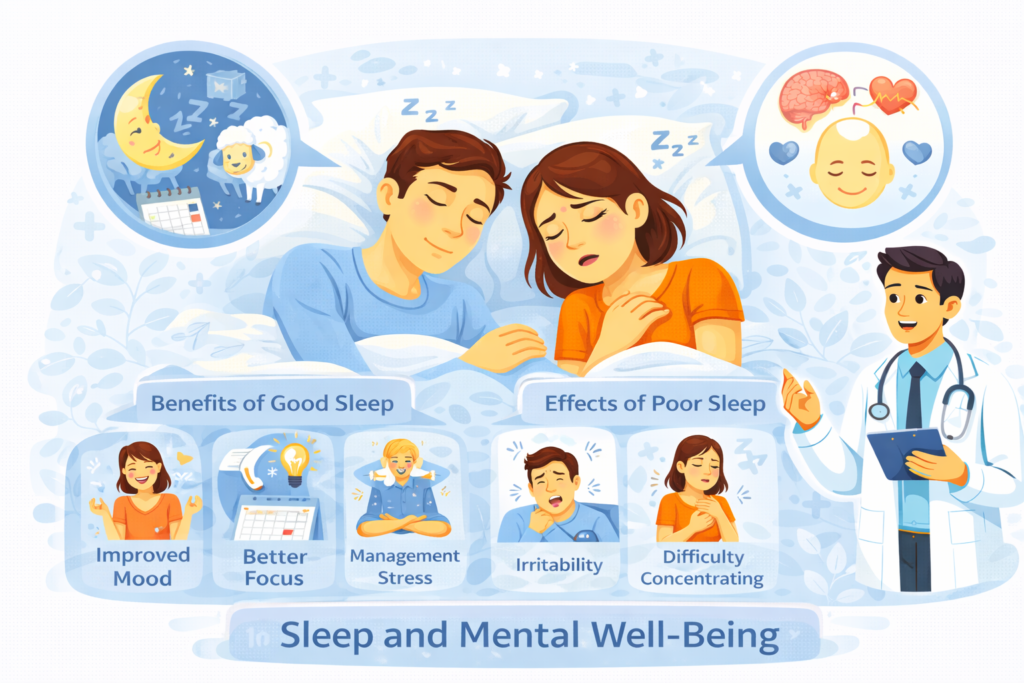
- Sleep disruption, which can heighten emotional sensitivity
While stress often has a clear trigger, anxiety may persist even after the original stressor is gone.
Signs and Symptoms
Stress and anxiety can affect both the mind and body, and symptoms may vary from person to person.
Common symptoms of stress may include:
- Feeling overwhelmed or pressured
- Irritability or frustration
- Muscle tension or headaches
- Trouble relaxing
- Temporary sleep disruption
Common symptoms of anxiety may include:
- Persistent worry or racing thoughts
- Restlessness or feeling “on edge”
- Difficulty concentrating
- Changes in sleep patterns
- Physical sensations such as a rapid heartbeat or shortness of breath
Some people experience both stress and anxiety at the same time, making it hard to distinguish between them.
How It Is Identified or Evaluated
Stress and anxiety are usually identified through conversation with a healthcare or mental health professional. Evaluation often involves discussing emotional experiences, daily stressors, sleep patterns, and how symptoms affect work, relationships, and overall well-being.
Rather than focusing on a single symptom, professionals look at patterns over time. This helps clarify whether experiences are situational, ongoing, or part of a broader mental well-being concern.
General Management and Care
General care for stress and anxiety focuses on supporting emotional balance and resilience. At a high level, this may include:
- Lifestyle adjustments, such as improving sleep and daily routines
- Stress-management strategies, including relaxation and coping skills
- Emotional support, through trusted relationships or professional care
- Physical activity, which supports mental well-being
Approaches vary depending on individual needs and life circumstances.
Prevention or Risk Reduction
Stress and anxiety cannot always be prevented, but certain habits may help reduce their intensity or frequency. These may include:
- Maintaining regular sleep patterns
- Setting realistic expectations and boundaries
- Staying physically active
- Practicing stress-relief techniques
- Paying attention to early emotional warning signs
Risk reduction focuses on building emotional awareness and balance over time.
When to See a Healthcare Professional
It may be helpful to seek professional support if stress or anxiety feels constant, overwhelming, or interferes with daily functioning, sleep, or relationships. Evaluation is especially important if worry or tension persists even during calm periods.
Early support can help individuals better understand their experiences and explore appropriate care options.
Key Takeaways
- Stress arises from external pressures, while anxiety involves ongoing worry or fear.
- Both stress and anxiety can impact mental and physical health, affecting sleep, energy, and mood.
- Common causes include work pressure, financial concerns, relationship challenges, and health issues.
- Symptoms of stress often include irritability and tension, whereas anxiety may present as persistent worry and difficulty concentrating.
- Seek professional help if stress or anxiety feels overwhelming or disrupts daily life.
Medical Disclaimer:
The information on this page is provided for educational and informational purposes only and is not intended as medical advice. It should not replace consultation with a qualified healthcare professional. For full details, please read our Disclaimer.