Stress is a normal part of life, but how it’s handled day to day can make a big difference in overall health. When stress builds without relief, it can affect sleep, mood, digestion, energy, and even physical comfort. Lifestyle choices, often small and repeatable, play a powerful role in shaping how the body and mind respond to pressure.
Managing stress through lifestyle is not about removing all challenges. It’s about creating supportive routines that help the nervous system reset, recover, and stay balanced, even during demanding periods.
What It Is
Managing stress through lifestyle refers to using everyday habits, such as sleep, movement, nutrition, and routine, to reduce the intensity and impact of stress. These habits influence hormones, nervous system activity, and emotional regulation.
Lifestyle-based stress management works gradually. Instead of quick fixes, it focuses on creating conditions that help the body handle stress more effectively over time. When these habits are consistent, stress becomes easier to manage and recovery happens more naturally.
Common Causes or Risk Factors for Lifestyle-Related Stress
Stress can feel more intense when daily habits don’t support recovery. Common contributors may include:
- Irregular sleep patterns, reducing emotional resilience
- Sedentary routines, limiting natural stress relief
- Poor nutrition or skipped meals, affecting energy and mood
- Constant time pressure, with little downtime
- High screen exposure, limiting mental rest
- Lack of routine, making days feel unpredictable
These factors often overlap, gradually increasing stress sensitivity.
Signs and Symptoms
When lifestyle habits are not supporting stress management, the body may send signals. Common signs and symptoms may include:
- Feeling tense or overwhelmed most days
- Difficulty relaxing, even during rest
- Fatigue or low energy
- Sleep disruption
- Irritability or mood changes
- Digestive discomfort
These signs often indicate a need for better balance rather than more effort.
How Stress Levels Are Evaluated
Stress related to lifestyle is usually explored through discussion of daily routines, workload, sleep, movement, and emotional well-being. Healthcare professionals may look at how stress patterns align with habits and responsibilities.
Evaluation focuses on patterns over time rather than isolated stressful days. This helps identify which lifestyle areas may need adjustment.
General Management and Care
Lifestyle-based stress management centers on building supportive routines. At a high level, this may include:
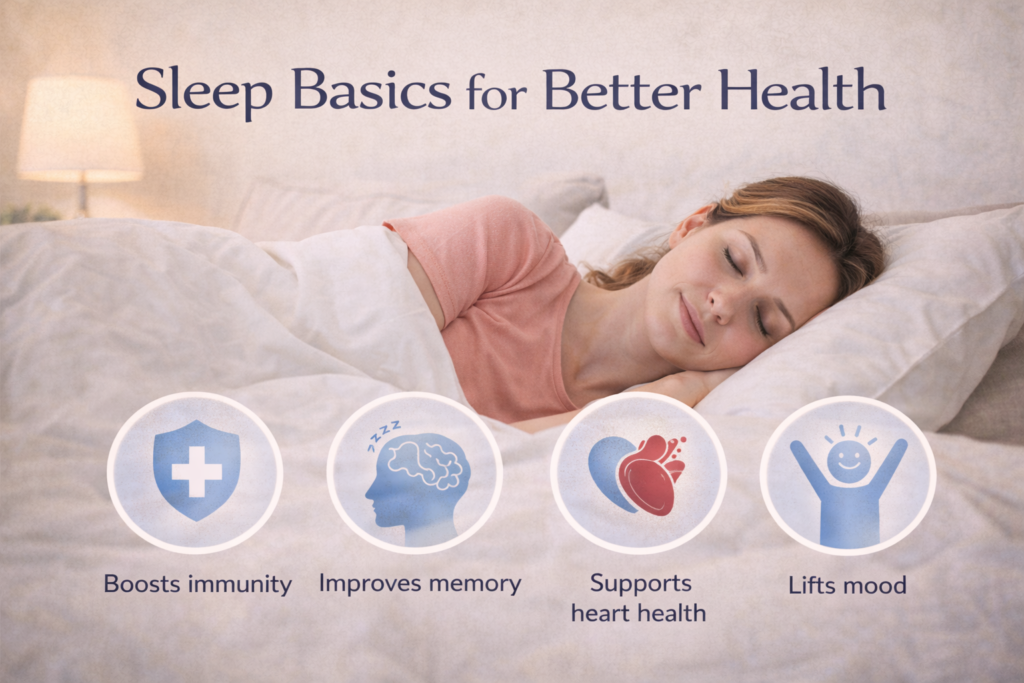
- Improving sleep consistency, to support emotional regulation
- Regular physical movement, helping release built-up tension
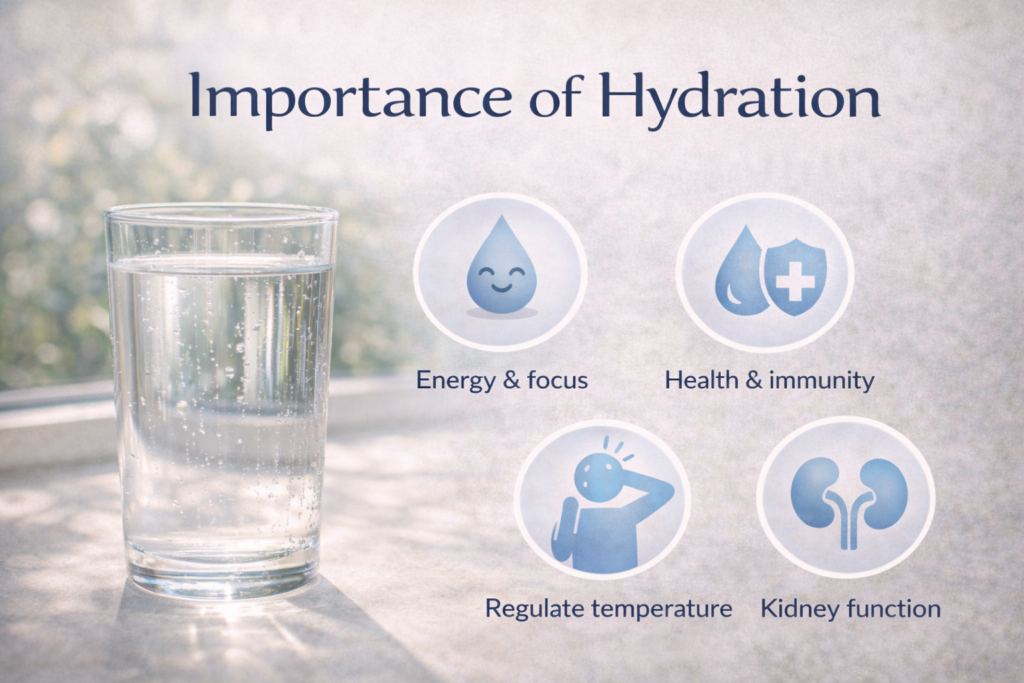
- Balanced meals and hydration, supporting steady energy
- Structured daily routines, reducing mental overload
- Intentional rest, allowing the nervous system to recover
These changes are most effective when introduced gradually and maintained consistently.
Prevention or Risk Reduction
While stress cannot be eliminated, certain lifestyle habits may help prevent it from becoming overwhelming. These may include:
- Creating clear boundaries between work and rest
- Scheduling regular breaks
- Staying socially connected
- Limiting overstimulation when possible
- Paying attention to early signs of stress
Prevention focuses on balance, recovery, and sustainability.
When to See a Healthcare Professional
It may be helpful to seek professional guidance if lifestyle changes do not ease stress, or if stress begins to affect sleep, mood, physical health, or daily functioning. Evaluation is especially important when stress contributes to anxiety, burnout, or ongoing fatigue.
Professional support can help identify tailored strategies and underlying contributors.
Key Takeaways
- Managing stress through lifestyle focuses on everyday habits like sleep, movement, and nutrition to reduce stress impact.
- Common causes of lifestyle-related stress include irregular sleep patterns and high screen exposure, which can increase stress sensitivity.
- Signs of unmanaged stress often manifest as fatigue, irritability, and sleep disruption, indicating a need for better balance.
- Building supportive routines for stress management includes improving sleep consistency and incorporating regular physical activity.
- Preventive measures involve setting clear work-life boundaries, scheduling breaks, and being mindful of early stress signs.
Medical Disclaimer:
The information on this page is provided for educational and informational purposes only and is not intended as medical advice. It should not replace consultation with a qualified healthcare professional. For full details, please read our Disclaimer.