Low blood For many people, low blood sugar is first noticed in a very specific moment.
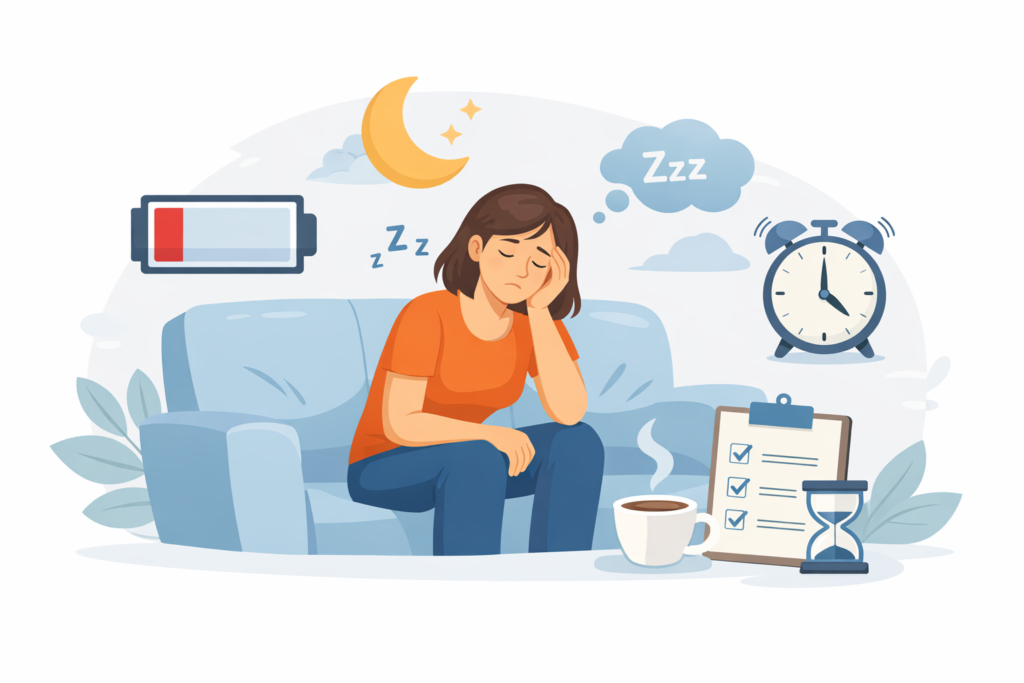
You are fine one minute, then suddenly you are not. You feel shaky. Your hands may tremble. Your heart starts beating harder. You may feel sweaty, weak, or strangely anxious for no clear reason. Thinking becomes difficult. You just feel off. Then you drink juice, eat something sweet… and within minutes you feel almost normal again.
That experience is very typical of low blood sugar, also called hypoglycemia.
Here, “sugar” does not mean candy or desserts. It refers to glucose, the basic fuel your body uses to keep organs working. Your muscles use it, your heart uses it, but your brain depends on it the most. When the level drops too low, your body reacts quickly to get your attention.
The symptoms are not random. They are signals.
What it means inside the body
Your brain cannot store its own energy supply. It relies on a steady delivery of glucose through the bloodstream every minute of the day.
Think of your blood as a delivery system and glucose as the fuel being transported. The brain is constantly receiving small amounts. If that delivery slows, the brain notices immediately.
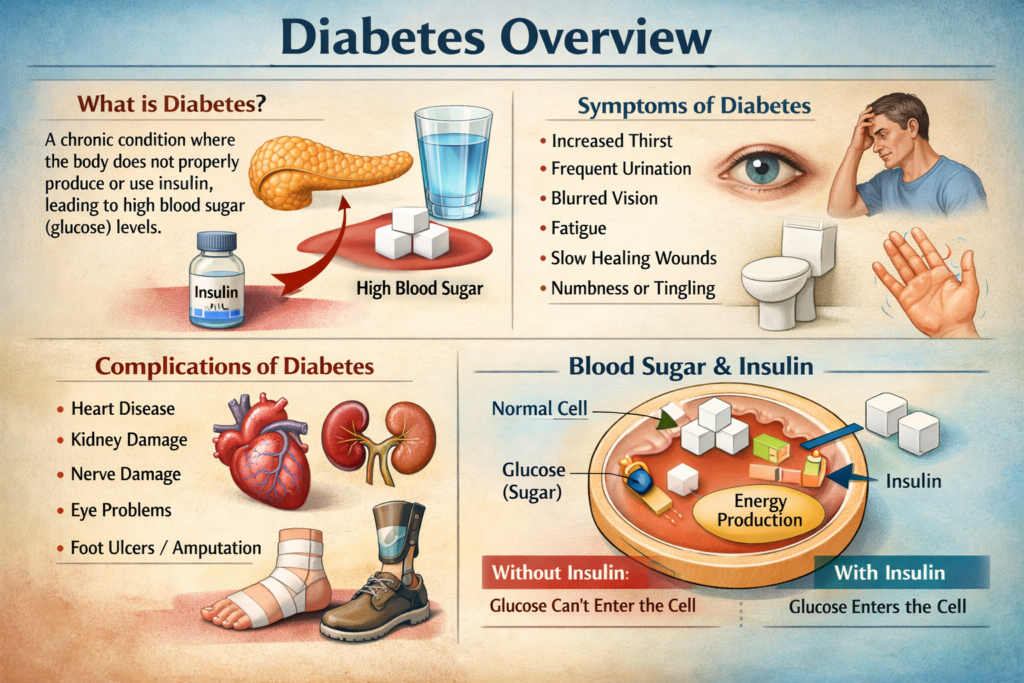
After you eat, food is broken down into glucose. The glucose enters the bloodstream, and a hormone called insulin helps move it from the blood into the body’s cells so it can be used.
Low blood sugar happens when:
- glucose leaves the bloodstream faster than it should, or
- new glucose is not entering quickly enough.
Your body does have backup support. The liver stores extra glucose and releases it between meals. But if the drop happens quickly, the brain sends an urgent message.
The body responds by releasing emergency hormones, especially adrenaline. These hormones do two things:
- try to raise your blood sugar
- push you to eat
This is why the experience feels so intense.
It is not harm happening , it is protection happening.
Common causes and risk factors
Low blood sugar is most common in people who have diabetes, especially those using insulin or certain medications. However, it can also occur in people without diabetes.
Typical triggers include:
- skipping meals
- delaying eating for many hours
- eating far less than usual
- taking diabetes medication but not eating enough
- heavy or prolonged exercise
- drinking alcohol without food
- illness that reduces appetite
- strict dieting or fasting
In some people without diabetes, it appears a few hours after a large carbohydrate meal. The body releases a lot of insulin, and sugar levels fall quickly afterward. This is often called reactive low blood sugar.
Symptoms explained in everyday language
Symptoms come from two processes happening at the same time:
First: the brain is running low on fuel.
Second: the body activates an emergency response to fix it.
Early warning signs:
- sudden hunger
- shaking
- sweating
- pounding heartbeat
- feeling uneasy or nervous
- dizziness
- headache
As the brain receives less glucose, thinking becomes affected:
- trouble focusing
- blurred vision
- irritability
- unusual mood changes
- weakness
- clumsiness
More severe drops can cause:
- confusion
- slurred speech
- fainting
- seizures (rare)
Many people believe they are having an anxiety or panic attack because adrenaline is released. The body is trying to save the brain, and adrenaline creates a strong “alarm” feeling.
One useful clue:
If symptoms improve soon after eating, low blood sugar is very likely involved.
When a person should see a doctor
You should seek medical advice if:
- episodes happen repeatedly
- you faint or almost faint
- they occur during sleep
- they happen even when you are eating regularly
- you do not have diabetes but keep experiencing them
If someone becomes unconscious, cannot swallow, or has a seizure, emergency care is needed immediately.
How doctors diagnose it
Doctors mainly want to confirm the cause and make sure nothing else is responsible.
They will ask:
- when the symptoms occur
- how long after meals they happen
- what improves them
A small finger-prick blood sugar test is often enough to identify the pattern. Sometimes additional blood tests or short monitoring are used.
Doctors look for three things together:
- symptoms
- a low sugar reading
- relief after eating
Treatment overview
The immediate goal is simply to raise the blood sugar.
For mild episodes:
- drink fruit juice
- take glucose tablets
- eat honey, sweets, or a sugary drink
Improvement usually begins within 10–15 minutes. The shaking settles first, then the anxiety fades, and clear thinking returns.
Afterward, eating a normal snack or meal helps keep levels stable so symptoms do not return.
People with diabetes may need adjustments in medication timing, meal planning, or activity levels. Severe cases may require medical glucose treatment.
If symptoms do not improve after sugar intake, medical evaluation is important.
Lifestyle and prevention tips
Prevention is mostly about recognizing patterns rather than following strict rules.
Helpful steps:
- eat regular meals
- avoid long gaps without food
- combine carbohydrates with protein or healthy fats
- carry a quick sugar source when away from home
- eat before alcohol
- snack before long exercise
- avoid extreme dieting
- monitor levels if you have diabetes
Many people notice episodes happen at predictable times:
- late morning after skipping breakfast
- late afternoon after a long day
- after intense activity
- after alcohol
Once you recognize your triggers, prevention becomes much easier.
Summary
Low blood sugar feels alarming because the body creates a strong warning sensation. But that sensation is actually helpful, it pushes you to correct the problem before harm occurs.
Most episodes are mild and reverse quickly once you eat. Many people experience at least one episode at some point in life. With simple habits and awareness of triggers, it is usually easy to manage.
Repeated or severe episodes should be checked, but in the vast majority of cases, people continue normal, active lives without lasting health problems.
Key Takeaways
- Low blood sugar, or hypoglycemia, occurs when glucose levels fall below normal, affecting physical and mental functions.
- Causes of low blood sugar include skipping meals, low-carbohydrate diets, certain medications, and intense physical activity without adequate fueling.
- Symptoms of low blood sugar can range from shakiness and sweating to confusion and irritability, varying by individual.
- Management requires a focus on consistency in eating, lifestyle adjustments, and consultation with healthcare professionals when necessary.
- Prevention involves regular meals, monitoring responses to activity, and managing stress, promoting awareness of one’s own body.
Medical Disclaimer:
The information on this page is provided for educational and informational purposes only and is not intended as medical advice. It should not replace consultation with a qualified healthcare professional. For full details, please read our Disclaimer.