Everyday lifestyle choices may feel small in the moment, but over time, they quietly shape long-term health. The way people eat, move, sleep, manage stress, and structure their days influences how the body ages, how resilient it becomes, and how well it handles physical and emotional challenges.
Long-term health is rarely the result of a single decision or dramatic change. Instead, it reflects patterns repeated over years.
What It Is
Lifestyle choices refer to daily behaviors and habits that influence physical, mental, and emotional health over time. These choices include nutrition, physical activity, sleep, stress management, social connection, and health awareness.
Long-term health reflects how well the body maintains balance, adapts to stress, and recovers from challenges as time passes. While genetics play a role, lifestyle choices significantly influence how health unfolds over the years.
Rather than focusing on perfection, long-term health is shaped by consistency, flexibility, and the ability to adapt habits as life circumstances change.
Common Lifestyle Factors That Influence Long-Term Health
Several everyday choices play a major role in shaping long-term outcomes. Common lifestyle factors include:
- Nutrition patterns, influencing energy, metabolism, and disease risk
- Physical activity levels, supporting mobility, heart health, and emotional balance
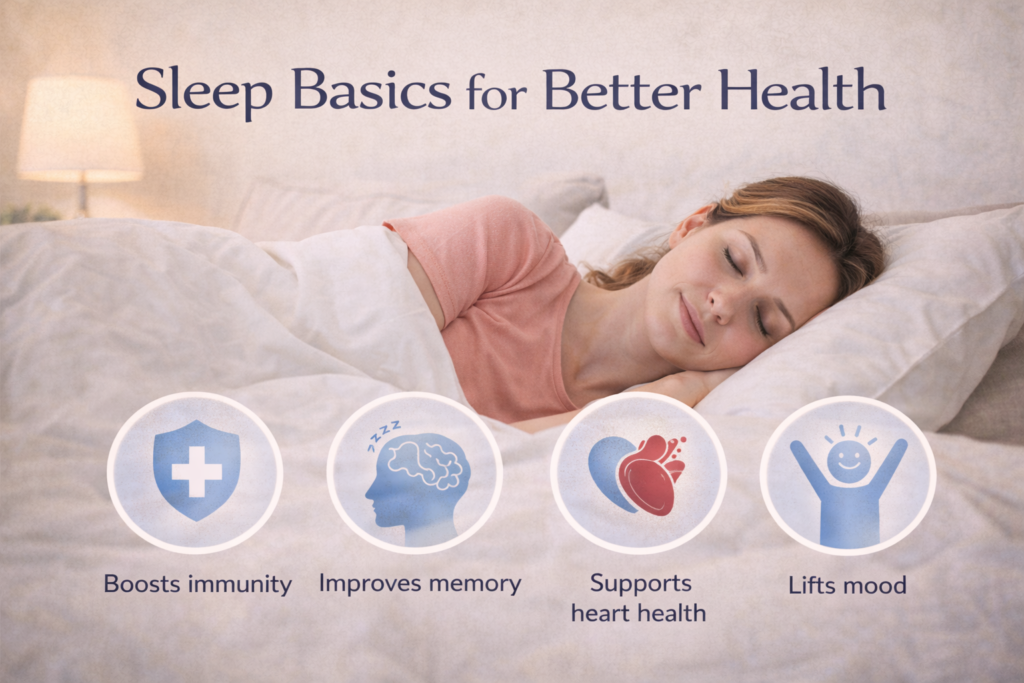
- Sleep habits, affecting recovery, immune function, and mental clarity
- Stress management, shaping nervous system and hormonal balance
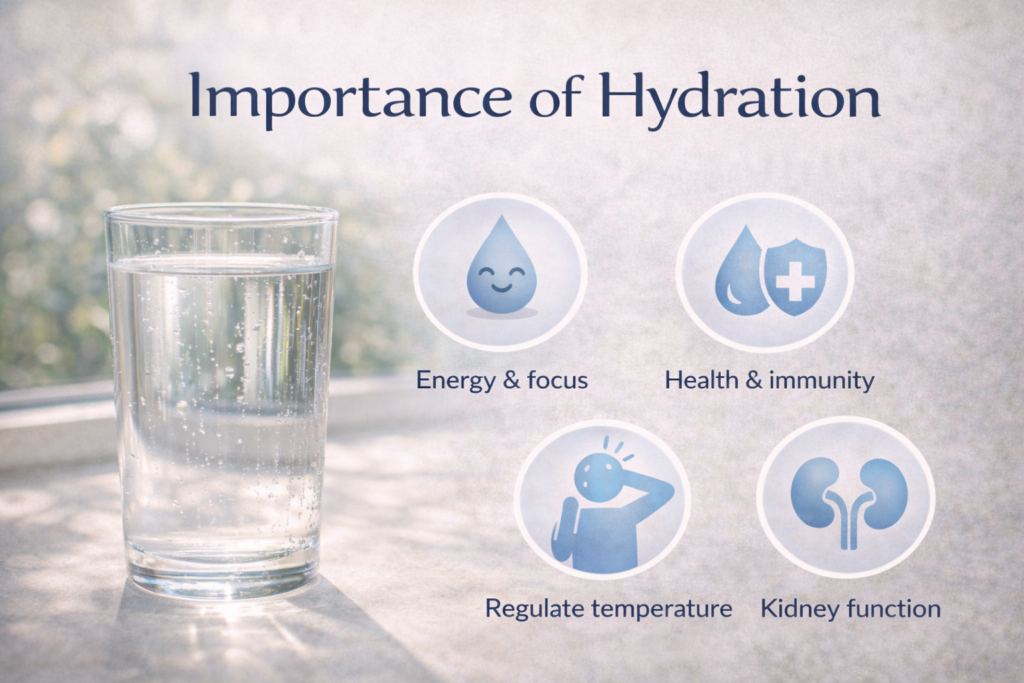
- Hydration, supporting circulation and cellular function
- Daily routines, providing structure and stability
These factors interact with one another, meaning improvement in one area often supports others.
Signs of Lifestyle-Related Strain Over Time
When lifestyle choices do not support long-term health, signs often appear gradually rather than suddenly. Common indicators may include:
- Persistent fatigue or low stamina
- Sleep difficulties that become ongoing
- Reduced physical flexibility or strength
- Increased stress sensitivity or emotional exhaustion
- Digestive discomfort or irregularity
- Difficulty maintaining consistent routines
These signs are often early signals that habits may need adjustment rather than drastic change.
How Lifestyle Impact Is Evaluated
The long-term impact of lifestyle choices is usually assessed through patterns rather than isolated behaviors. Healthcare professionals may review daily routines, sleep habits, nutrition patterns, activity levels, stress exposure, and recovery time.
Evaluation often focuses on trends over months or years, helping identify which habits support health and which may contribute to strain. This approach allows for gradual, realistic changes instead of abrupt overhauls.
General Management and Care
Supporting long-term health through lifestyle focuses on sustainable habits. At a high level, this may include:
- Maintaining balanced nutrition, supporting steady energy and metabolism
- Staying physically active, in ways that fit ability and preference
- Protecting sleep, as a non-negotiable health foundation
- Managing stress proactively, rather than reactively
- Creating routines, that reduce daily decision fatigue
- Allowing flexibility, to adapt habits as life changes
Long-term health improves when habits feel supportive rather than restrictive.
Prevention or Risk Reduction
While health challenges cannot always be avoided, certain lifestyle choices may reduce long-term risk. These may include:
- Making gradual, realistic changes instead of extreme shifts
- Prioritizing consistency over intensity
- Addressing stress before it becomes chronic
- Staying socially connected and emotionally supported
- Paying attention to early physical or emotional warning signs
Prevention focuses on awareness and balance rather than control.
When to See a Healthcare Professional
It may be helpful to seek professional guidance if lifestyle changes do not improve energy, sleep, or overall well-being, or if physical or emotional symptoms persist despite healthy efforts.
Healthcare professionals can help identify underlying factors and guide lifestyle adjustments that align with individual health needs and goals.
Key Takeaways
- Everyday lifestyle choices significantly influence long-term health, shaping resilience and overall well-being.
- Sustainable habits, such as balanced nutrition and physical activity, matter more than short-term fixes.
- Common lifestyle factors include sleep, stress management, and hydration, interacting to support overall health.
- Signs of lifestyle-related strain can appear gradually, indicating a need for habit adjustment instead of drastic changes.
- Seeking professional guidance can help identify underlying issues related to energy, sleep, and overall health management.
Medical Disclaimer:
The information on this page is provided for educational and informational purposes only and is not intended as medical advice. It should not replace consultation with a qualified healthcare professional. For full details, please read our Disclaimer.