Iron deficiency is one of the most common nutritional concerns worldwide, yet it often goes unnoticed in its early stages. Iron plays a central role in helping the body produce healthy red blood cells, which are responsible for carrying oxygen to tissues and organs. When iron levels are low, the body may struggle to meet its everyday energy needs.
Because symptoms can develop slowly, many people live with iron deficiency for some time before realizing something is off. Understanding what iron deficiency is, why it happens, and how it may affect the body can help individuals pay closer attention to their health and seek timely support when needed.
What It Is
Iron deficiency occurs when the body does not have enough iron to support normal functions. Iron is an essential mineral that helps form hemoglobin, the protein in red blood cells that transports oxygen throughout the body.
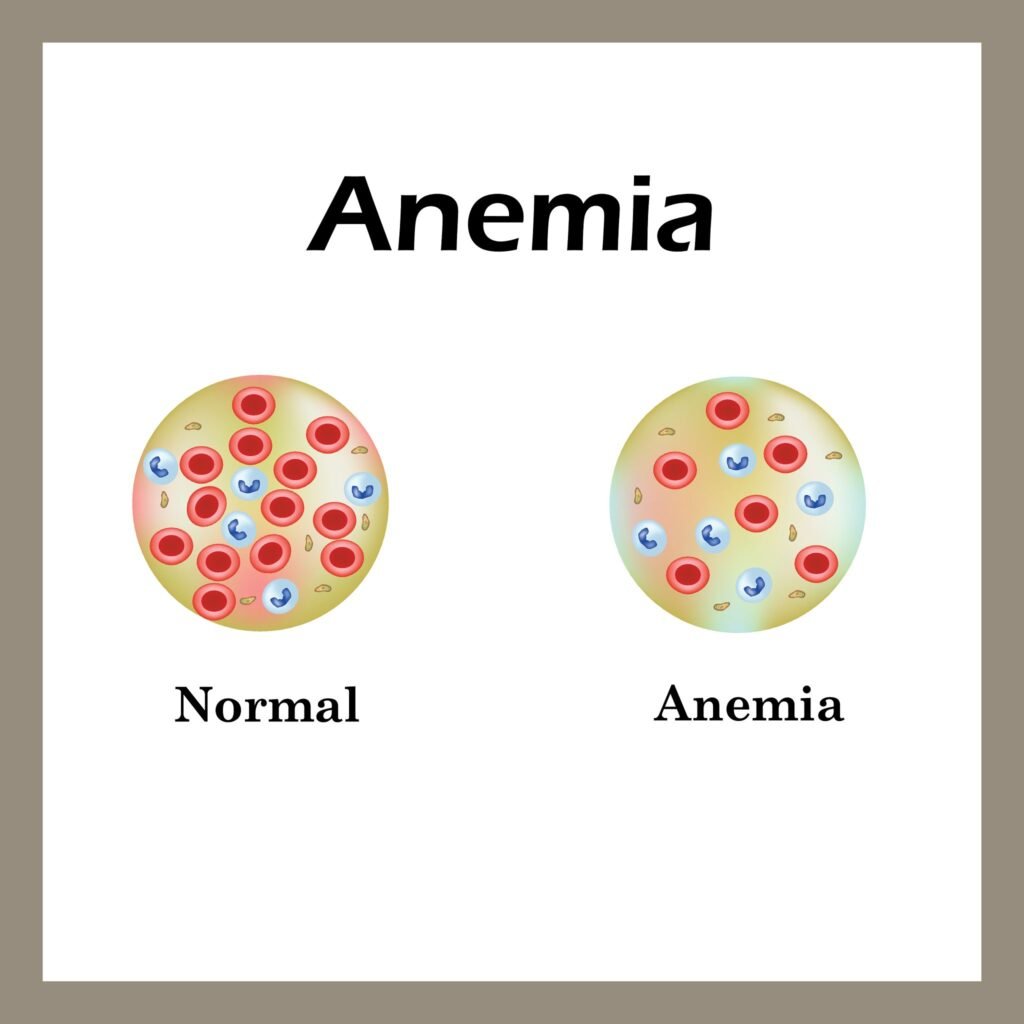
When iron stores are low, the body may produce fewer red blood cells or red blood cells that do not function as efficiently. Over time, this can reduce oxygen delivery to tissues, which may affect energy levels, physical stamina, and concentration.
Iron deficiency can affect people of all ages. It may develop gradually and can exist with or without anemia, especially in its earlier stages.
Common Causes or Risk Factors
Iron deficiency can develop for many reasons, and more than one factor may be involved. Common causes or risk factors may include:
- Inadequate dietary intake, especially diets low in iron-rich foods
- Increased iron needs, such as during growth periods or pregnancy
- Blood loss, which may occur over time and go unnoticed
- Digestive conditions, which may affect how iron is absorbed
- Frequent blood donation
- Certain chronic health conditions
Not everyone with these risk factors will develop iron deficiency, and its presence does not always point to a single cause.
Signs and Symptoms
Symptoms of iron deficiency can vary depending on how low iron levels are and how long the deficiency has been present. In mild cases, symptoms may be subtle or easy to dismiss. Common symptoms may include:
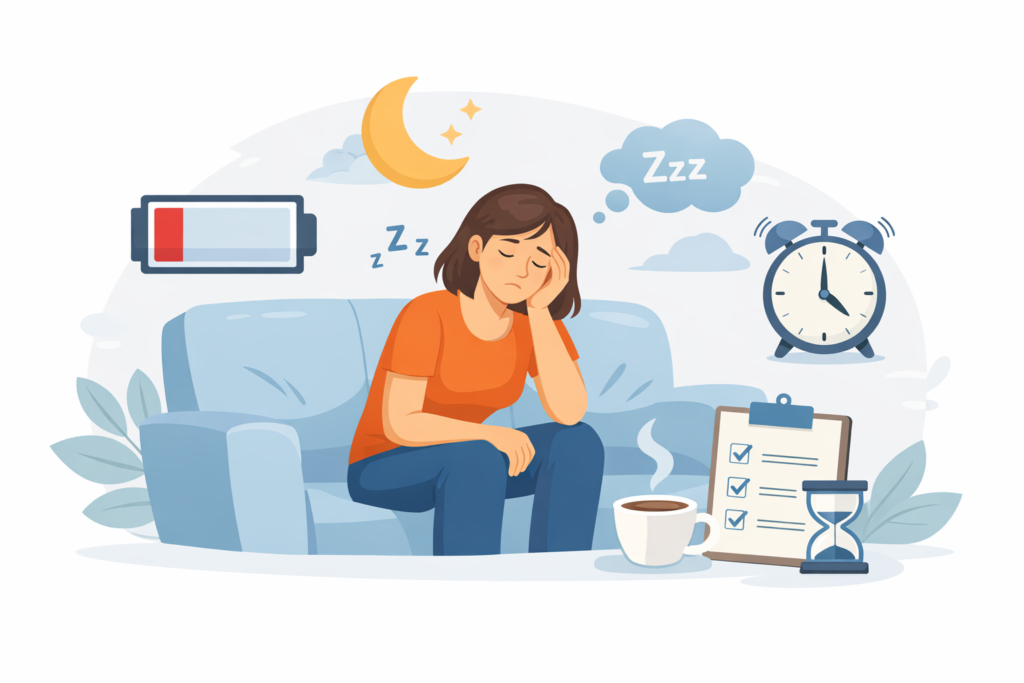
- Ongoing fatigue or low energy
- Weakness or reduced physical endurance
- Pale skin or lips
- Shortness of breath during routine activities
- Dizziness or lightheadedness
- Difficulty concentrating or mental fog
- Cold hands and feet
Symptoms can appear gradually and may overlap with other health concerns, which is why iron deficiency is not always immediately recognized.
How It Is Identified or Evaluated
Iron deficiency is typically evaluated by a healthcare professional through a combination of symptom discussion, medical history, and general health assessment. Clinicians may consider dietary habits, menstrual history, digestive symptoms, and overall energy levels.
Laboratory evaluation may be used to better understand iron status and related blood markers. These results help healthcare professionals determine whether iron deficiency may be present and explore possible contributing factors.
General Management and Care
General care for iron deficiency focuses on identifying and addressing the underlying cause while supporting the body’s iron needs. At a high level, management may involve:
- Medical evaluation and monitoring, guided by healthcare professionals
- Nutritional support, focusing on balanced, iron-containing foods
- Addressing contributing health conditions, such as digestive concerns
- Ongoing follow-up, especially when symptoms persist
Management approaches vary depending on individual health needs, age, and overall context.
Prevention or Risk Reduction
While iron deficiency cannot always be prevented, certain habits may help reduce risk or support healthy iron levels. These may include:
- Eating a varied, nutrient-rich diet
- Paying attention to long-term fatigue or weakness
- Managing digestive health
- Attending routine health checkups
Prevention focuses on awareness and early attention rather than guarantees.
When to See a Healthcare Professional
It may be helpful to consult a healthcare professional if symptoms such as persistent fatigue, dizziness, shortness of breath, or difficulty concentrating continue over time. Evaluation is especially important if symptoms interfere with daily activities or worsen gradually.
Early assessment can help clarify the cause of symptoms and guide appropriate care.
Key Takeaways
- Iron deficiency is a common nutritional concern that affects red blood cell production and can lead to fatigue and low energy.
- It can develop due to inadequate dietary intake, increased needs during growth, blood loss, or digestive issues.
- Symptoms often appear gradually and may include weakness, pale skin, and difficulty concentrating.
- Healthcare professionals evaluate iron deficiency through symptoms, medical history, and laboratory tests.
- Managing iron deficiency involves addressing underlying causes, nutritional support, and regular monitoring.