High blood sugar rarely starts with something dramatic. For most people, it begins quietly.
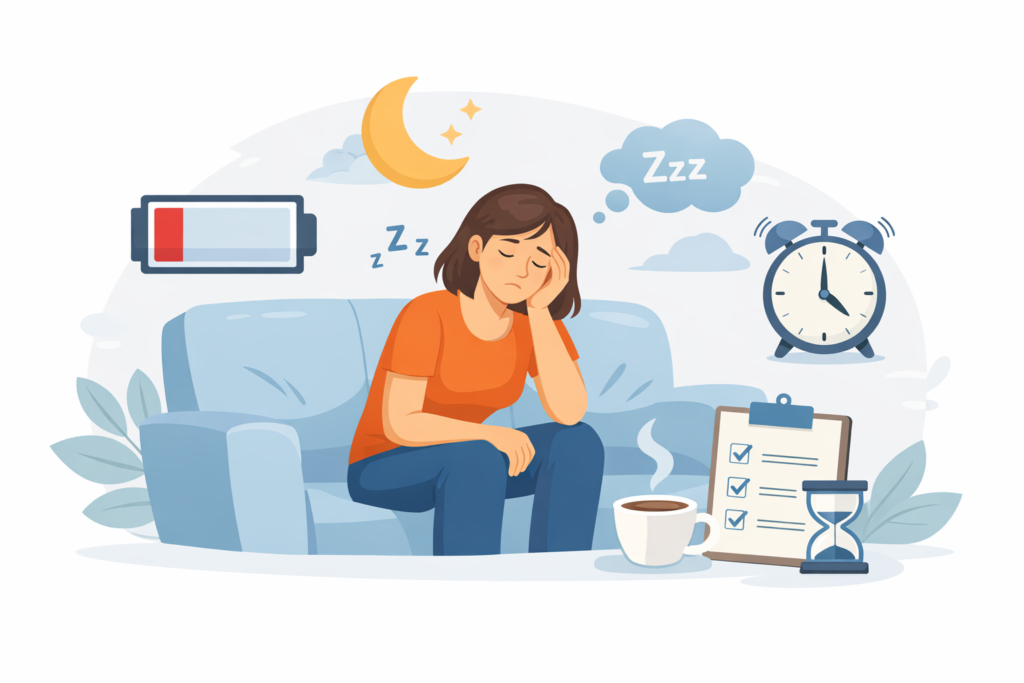
You may notice you are thirstier than usual, you finish a glass of water, and still feel dry. Then, you begin using the bathroom more often, sometimes even waking at night to urinate. You feel tired in a way sleep does not fix. Some days your vision looks slightly blurry, especially later in the day. You might even feel hungry not long after eating.
Individually, these seem harmless. Together, they often point to high blood sugar, also called hyperglycemia.
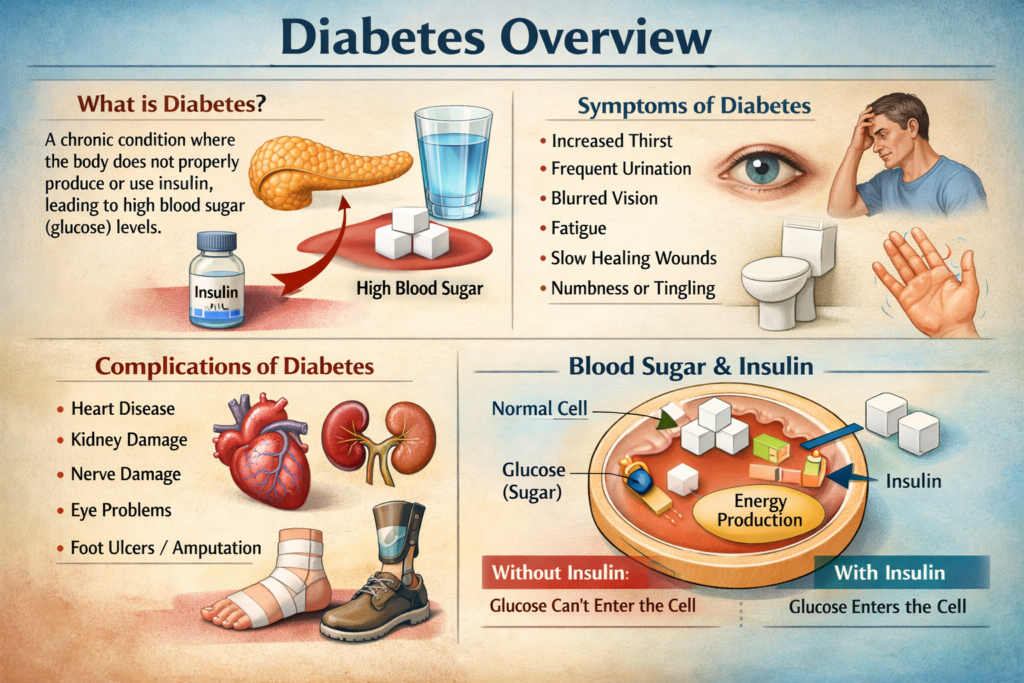
Here, “sugar” does not mean sweets or desserts. It refers to glucose, the main fuel your body uses to keep organs working. High blood sugar happens when this fuel stays in the bloodstream instead of entering the body’s cells where it is supposed to be used.
What it means inside the body
After you eat, your food is broken down into glucose, which enters your bloodstream. A hormone called insulin acts like a key. Its job is to help glucose move from the blood into the body’s cells so the cells can produce energy.
Imagine glucose as fuel waiting outside a locked door, and insulin as the key that opens that door. High blood sugar develops when this system stops working properly.
Either:
- the body does not make enough insulin, or
- the cells stop responding to insulin effectively.
When that happens, glucose stays in the blood. Meanwhile, the cells themselves do not receive the energy they need. This is why a person can have a lot of sugar in the blood and still feel tired. Your kidneys then try to remove the excess glucose. But glucose pulls water with it. As more water leaves the body through urine, you become dehydrated. That dehydration triggers thirst, and the cycle continues.
So the common symptoms, thirst, frequent urination, and fatigue, all come from the same problem: sugar is in the wrong place.
Common causes and risk factors
The most common reason for persistent high blood sugar is diabetes. In many people it develops slowly over years.
However, blood sugar can also rise temporarily during:
- infections
- severe physical stress (injury or surgery)
- certain medications, especially steroid medicines
- serious illness
Some factors increase the likelihood of long-term high blood sugar:
- excess body weight
- low physical activity
- family history of diabetes
- increasing age
- previous high blood sugar during pregnancy
- frequent intake of sugary drinks and refined carbohydrates
Because the change happens gradually, many people live with rising blood sugar for a long time before recognizing it.
Symptoms
High blood sugar symptoms usually appear slowly and persist.
Common signs:
- constant thirst
- dry mouth
- frequent urination, especially at night
- tiredness or low energy
- headaches
- blurred vision
- increased hunger
Since the body cannot properly use glucose, it begins breaking down fat and muscle for energy. Over time this may cause:
- unintended weight loss
- slow healing of cuts
- repeated infections such as skin or urinary infections
Many people assume they are simply stressed, dehydrated, or aging. The gradual nature of the symptoms makes them easy to overlook.
A simple way to suspect high blood sugar at home
No home symptom checklist can replace a medical test, but certain patterns are very suggestive.
High blood sugar is more likely if:
- thirst, frequent urination, and tiredness occur together
- symptoms last for weeks rather than minutes or hours
- drinking water helps briefly but the thirst quickly returns
- you wake at night to urinate regularly
- you feel tired even after a full night’s sleep
Low blood sugar behaves differently. It comes on suddenly and improves quickly after eating.
High blood sugar, on the other hand, tends to linger and repeat day after day.
If you recognize this pattern, a simple blood sugar test is worth arranging.
When a person should see a doctor
You should arrange a medical check if you notice:
- ongoing excessive thirst
- urinating much more than usual
- unexplained weight loss
- blurred vision
- repeated infections
- unusual fatigue
Seek urgent medical care if high blood sugar is accompanied by:
- vomiting
- confusion
- deep or rapid breathing
- severe weakness
How doctors diagnose it
Doctors confirm high blood sugar using straightforward blood tests.
They may:
- check your fasting blood sugar level
- perform a blood test showing your average sugar level over the past few months (often called an A1C test)
- repeat testing to confirm results
These tests help determine whether the rise in blood sugar is temporary or part of a long-term condition such as diabetes.
Treatment overview
Treatment aims to bring blood sugar into a safe range and keep it steady.
Depending on the cause, treatment may include:
- adjustments in eating habits
- regular physical activity
- oral medications
- insulin therapy
Temporary high blood sugar during illness may improve once the illness resolves. When diabetes is present, ongoing management helps protect the eyes, kidneys, nerves, heart, and blood vessels over time. The goal is stability, not perfection.
Why early attention matters
High blood sugar usually does not cause immediate pain, which is why people delay checking it. But over many years, untreated high blood sugar can gradually affect vision, sensation in the feet, kidney function, and circulation.
Early detection does not mean something terrible has already happened.
It means you have the chance to prevent those problems before they begin.
Lifestyle and prevention tips
Daily habits play a major role.
Helpful steps include:
- eating regular, balanced meals
- moderating portion sizes of carbohydrates
- staying physically active
- maintaining a healthy weight
- limiting sugary drinks
- getting adequate sleep
- attending routine medical checkups
Consistency matters more than strict short-term dieting. Small sustainable changes are usually the most effective.
Summary
High blood sugar often develops quietly, but it is very manageable once recognized.
Persistent thirst, frequent urination, and ongoing fatigue together are not normal signs of everyday tiredness; they are signals worth checking. A simple test can provide clear answers.
With early attention and steady habits, most people regain stable energy, clearer thinking, and better daily comfort. High blood sugar is not a sudden loss of health. It is the body’s way of saying its energy system needs adjustment, and with the right care, that balance can be restored.
Medical Disclaimer:
The information on this page is provided for educational and informational purposes only and is not intended as medical advice. It should not replace consultation with a qualified healthcare professional. For full details, please read our Disclaimer.