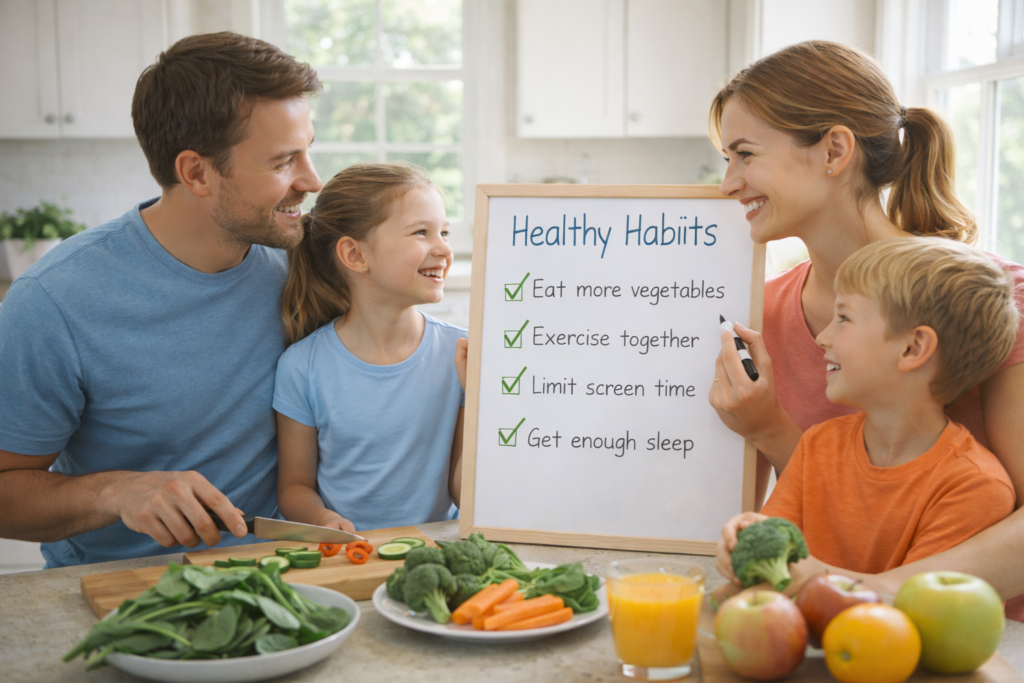
Building healthy eating habits for teens requires a genuinely different approach than feeding younger children. Teenagers are going through rapid physical, cognitive, and emotional development at once, which means food plays a critical role in supporting growth spurts, brain development, and rising energy needs, all while your teen is also asserting more independence over their own choices.
This article covers what teens actually need nutritionally, the specific challenges this age group faces, and practical ways to support good habits without turning mealtimes into a battleground.
For more on how younger children’s food routines are built, read our guide on Healthy Lunch Ideas for School Children.
Why Healthy Eating Habits for Teens Look Different
Teenage bodies have significantly higher energy and nutrient needs than younger children, driven by growth spurts that typically happen around ages 12 to 14. Protein, calcium, and vitamin D are especially important during this stage, since they directly support the development of strong bones and muscle mass at a time when both are growing rapidly.
At the same time, teenagers are developing a sense of independence and identity, and food choices often become part of that process. This is why rigid control tends to backfire more with teens than with younger children. A better goal is helping them build a genuinely positive, informed relationship with food, one they’ll carry into adulthood.
What a Balanced Diet Looks Like for Teens
NHS guidance for young people outlines a few consistent building blocks worth aiming for most days.
- At least 5 portions of fruit and vegetables daily: beyond general health, this also supports skin health, which matters to many teens more than long-term disease prevention arguments ever will.
- A carbohydrate source at each meal: wholemeal bread, brown rice, and wholewheat pasta provide more fibre and steadier energy than heavily refined versions.
- Two portions of protein-rich food daily: lean meat, fish, eggs, beans, or lentils all count, and this matters significantly during growth spurts.
- Three portions of lower-fat dairy daily: milk, yogurt, and cheese are key calcium sources for developing strong bones and teeth during this critical growth window.
- A regular breakfast: evidence shows eating breakfast improves concentration, readiness to learn, and overall mood and behaviour throughout the school day.
Common Nutritional Gaps Worth Watching
Certain nutrients deserve particular attention during the teenage years, since deficiencies at this stage can have longer-term effects.
- Iron: girls have significantly higher iron requirements once menstruation begins. Iron-deficiency anaemia can cause fatigue, headaches, and unusually pale skin, and it’s common enough in teenage girls to warrant real attention.
- Calcium and vitamin D: peak bone density is built during adolescence, making adequate intake of both nutrients genuinely important, not just a general health suggestion.
- Excess sugar from drinks: sugary soft drinks are one of the leading sources of excess sugar for UK teenagers specifically. Swapping to water, milk, or sugar-free alternatives is one of the single highest-impact changes available.
Energy drinks deserve a specific mention here, since they’re popular with this age group but can cause disturbed sleep, irritability, and stomach upsets due to high caffeine and stimulant content.
Learn about how most women with gestational diabetes experience no noticeable symptoms.
Helping Teens Build Healthy Eating Habits Without Conflict
Direct control tends to create friction with teenagers. These approaches work with their growing independence rather than against it.
- Involve them in meal planning and preparation: teens who help plan and cook meals tend to develop more genuine interest in eating well, along with valuable practical skills.
- Keep the healthier option the easy option: stocking the kitchen with good choices readily available matters more than direct instruction about what to eat.
- Avoid framing food in terms of restriction or guilt: healthy eating doesn’t mean cutting out every enjoyable food. It means eating those foods less often, in reasonable amounts, alongside a genuinely varied diet.
- Watch your own language around food and bodies: teens are highly attuned to comments about weight, appearance, and dieting, even when those comments aren’t directed at them.
- Avoid fad diets and unnecessary restriction: teenage bodies are still growing, and special diets aren’t appropriate unless a doctor specifically recommends one for a medical reason.
Body image pressures, particularly online, can significantly influence how teens relate to food and their bodies. Our guide on Social Media and Self-Esteem covers this connection in more depth.
Practical Snack and Meal Ideas for Teens
- Wholegrain toast with a spread, alongside a glass of milk or orange juice
- A baked potato with baked beans, grated cheese, or a side salad
- Rice cakes with cottage cheese, or apple and celery sticks with peanut butter
- A hard-boiled egg with a small handful of nuts and dried fruit
- A wrap or loaded pitta with lean protein and plenty of vegetables
When to Involve a Doctor or Dietitian
Most teens don’t need a special diet or professional intervention. However, it’s worth seeking guidance if your teen is skipping meals regularly, showing signs of an unhealthy relationship with food, has a diagnosed allergy or condition requiring dietary changes, or shows persistent symptoms like extreme fatigue or unusual paleness that could suggest an underlying nutritional issue.
The NHS guide to healthy eating for young people offers further age-specific advice and practical resources for this stage of development.
Key Takeaways
- Building healthy eating habits for teens requires supporting independence, not enforcing strict control, since this age group is actively developing autonomy over their own choices.
- Teenage bodies have significantly higher nutrient needs, particularly for protein, calcium, vitamin D, and iron, driven by growth spurts and development.
- Sugary drinks and energy drinks are major, easily addressable sources of excess sugar and stimulants for this age group.
- Involving teens in meal planning and avoiding food-related guilt or restriction language builds a healthier long-term relationship with food.
- Fad diets and unnecessary restriction aren’t appropriate during adolescence unless specifically recommended by a doctor.
Final Thoughts
Supporting healthy eating habits for teens works best as an ongoing conversation, not a set of rules imposed from above. This is a stage where independence, identity, and body changes are all happening at once, and food becomes part of how teens navigate that. Providing genuinely good options, involving them in the process, and staying mindful of how you talk about food and bodies does more long-term good than any single rule ever could.
The habits built now, gradually and without conflict, tend to stick well into adulthood. That’s worth more than winning any single dinner-table disagreement.
Guide, don’t control. The habits will follow.
Medical Disclaimer: The information on this page is provided for educational and informational purposes only and is not intended as medical advice. It should not replace consultation with a qualified healthcare professional. For full details, please read our Disclaimer.