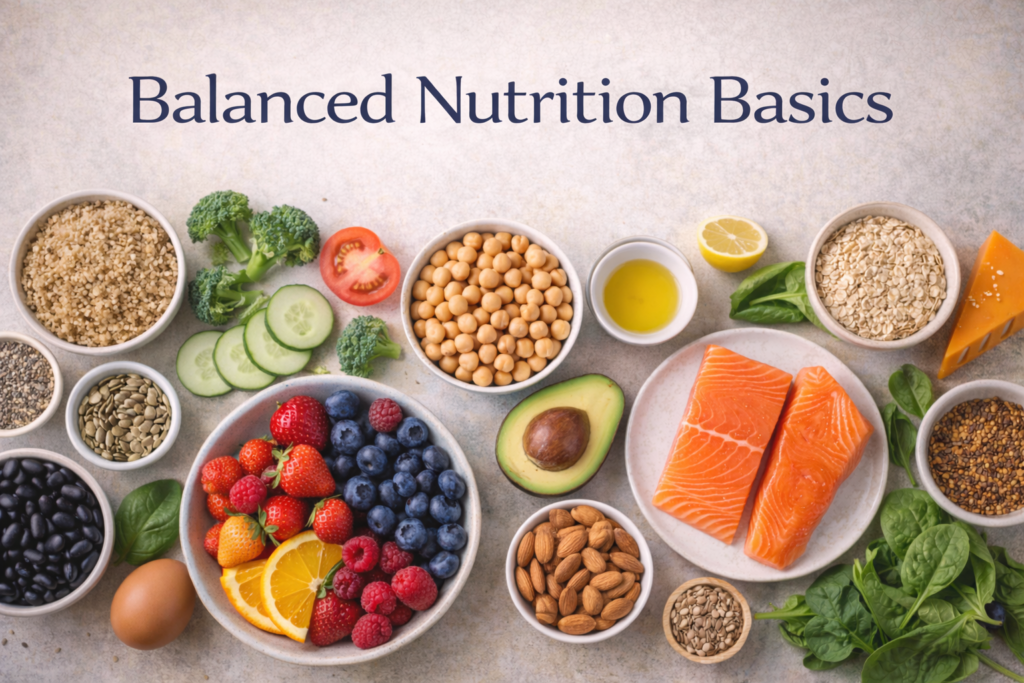
Healthy grocery shopping on a budget feels impossible to a lot of people. It isn’t. Cost is one of the biggest reasons people give for skipping healthy food. The USDA’s own research backs this up directly. The good news is simple. A few smart habits make healthy eating genuinely affordable, even on a tight budget.
This article covers exactly how to plan, shop, and cook in a way that saves money without sacrificing nutrition.
Budget stress itself can affect your body in ways you might not expect. Our guide on How Stress Affects Your Digestive System covers this connection in more depth.
Healthy Grocery Shopping on a Budget: Start With a Plan
Planning is the single most effective budget tool available. The USDA recommends taking 15 to 20 minutes each week to plan your meals before you shop. Think through breakfast, lunch, dinner, and snacks for the week ahead.
A plan does more than save money. It also cuts down on food waste, since you’re only buying what you’ll actually use. Build your list around what’s already in your fridge and pantry first. Then fill in the gaps.
Healthy Grocery Shopping on a Budget: Compare Before You Buy
Comparing prices takes a little extra time. It pays off quickly. A few simple habits make a real difference here.
- Check the unit price: the shelf tag often shows cost per ounce or pound, not just the total price. This makes comparing different sizes and brands much easier.
- Read the label, not just the front of the package: the Nutrition Facts label tells you what you’re actually getting. Watch for added sugars, saturated fat, and sodium specifically.
- Consider store brands: they’re often nutritionally identical to name brands, at a noticeably lower price.
- Watch for sales on staples: stocking up on non-perishables when they’re discounted genuinely adds up over a month.
Healthy Grocery Shopping on a Budget: Smart Choices in the Store
Where and how you shop matters just as much as what you buy.
- Buy fruits and vegetables in season: seasonal produce costs less and tastes better. Frozen versions are a genuinely good, often cheaper, alternative too.
- Choose dried or canned beans: they’re an inexpensive source of protein and fibre, and they store well for months.
- Buy whole grains in bulk: rice, oats, and pasta are cheap per serving and form the base of countless healthy meals.
- Don’t shop hungry: this small habit prevents impulse buys that blow through a budget fast.
- Stick to your list: a written list, built from your meal plan, keeps you focused and avoids unnecessary extras.
Making Healthy Meals Stretch Further
Smart shopping is only half the equation. What happens in the kitchen matters too.
Cook larger batches, and freeze the extras for a second, effortless meal later. This single habit saves both time and money across a busy week. Repurpose leftovers into a new meal, rather than letting them go to waste. Roast vegetables can become a soup. Extra rice can become a stir-fry base.
Protein doesn’t need to mean expensive cuts of meat. Eggs, beans, and canned fish all offer excellent nutrition at a fraction of the cost.
Common Budget Mistakes Worth Avoiding
- Assuming healthy always costs more: this is a common perception, not always the reality. Beans, oats, and frozen vegetables are some of the cheapest foods available.
- Overbuying perishables: fresh produce that spoils before you use it wastes money outright. Buy only what you’ll realistically eat that week.
- Skipping the pantry check: shopping without checking what you already have leads to duplicate purchases and wasted spend.
- Ignoring portion sizes at the store: larger packages aren’t always cheaper per unit. Always check before assuming bulk equals savings.
The USDA’s guide to healthy eating on a budget covers further tips on planning, shopping, and preparing affordable meals.
Key Takeaways
- Healthy grocery shopping on a budget starts with a weekly meal plan, built around what you already have at home.
- Comparing unit prices and reading nutrition labels helps you find genuine value, not just low sticker prices.
- Seasonal produce, dried beans, and whole grains in bulk are some of the most affordable, nutritious staples available.
- Cooking in batches and repurposing leftovers stretches both your grocery budget and your time.
- Healthy eating doesn’t automatically cost more. Many of the most nutritious foods are also among the cheapest.
Final Thoughts
Healthy grocery shopping on a budget comes down to a few consistent habits, not deprivation or complicated meal prep. Plan before you shop. Compare before you buy. Make your ingredients stretch as far as they can. None of this requires giving up nutrition for the sake of your wallet.
Start with your next shopping trip. Build a simple plan first, check your pantry, and make one swap toward a cheaper, equally nutritious staple. Small, consistent choices add up to real savings over time.
Eating well and spending wisely aren’t opposites. They work together.
Medical Disclaimer: The information on this page is provided for educational and informational purposes only and is not intended as medical advice. It should not replace consultation with a qualified healthcare professional. For full details, please read our Disclaimer.