You check your bank balance and your chest tightens immediately. You lie awake doing mental arithmetic about bills, debts, and how far your next paycheck will actually stretch. Your headaches have become more frequent. Your stomach has been unsettled for weeks. You snap at people more easily than you used to.
None of this feels like it should be connected to money. But financial stress and physical health are linked through clear, well-documented biological pathways — and recognising this connection is often the first step toward breaking a cycle that can otherwise feel impossible to escape.
This article explains exactly how financial stress affects the body, why the resulting health problems often make financial pressure worse, and what genuinely helps interrupt the cycle.
How financial stress affects the body
Financial stress is not purely psychological. It triggers the same physiological stress response as any other significant threat, and when that stress becomes chronic, the physical consequences accumulate.
The stress hormone response
When you face financial uncertainty, your body releases cortisol and adrenaline, the hormones responsible for the fight-or-flight response. In short bursts, these hormones are useful, sharpening focus and providing energy to respond to an immediate problem.
Financial stress, however, rarely resolves quickly. Bills recur. Debt does not disappear overnight. Job insecurity can persist for months. This means the stress response that should be brief instead becomes chronic, keeping cortisol elevated for extended periods.
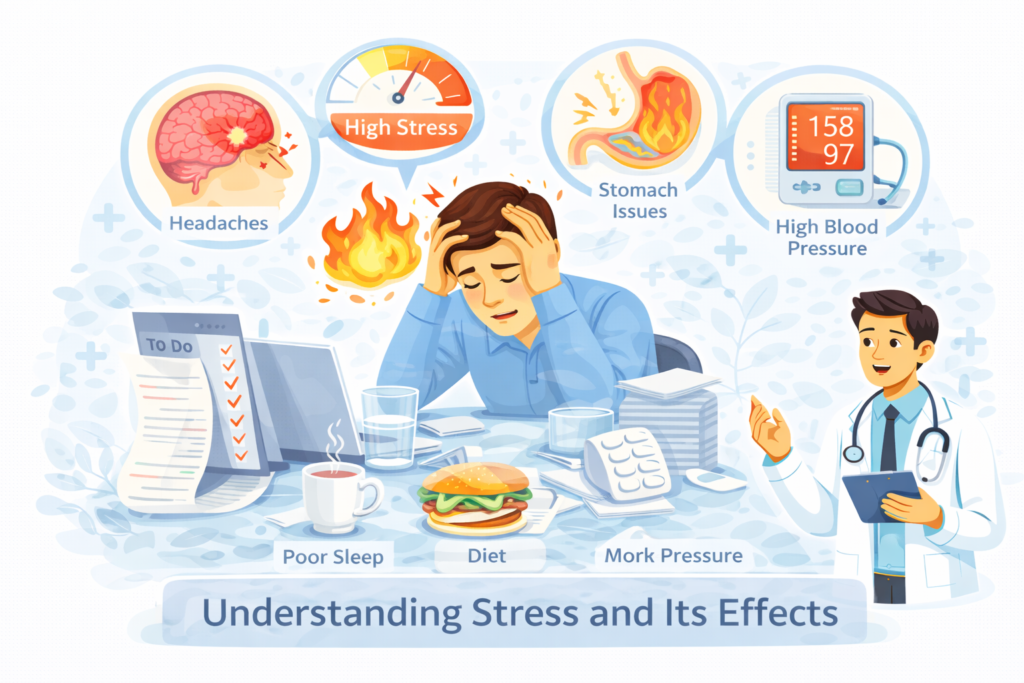
Chronically elevated cortisol has wide-reaching effects throughout the body, including raised blood pressure, increased blood sugar, suppressed immune function, and disrupted sleep — all of which contribute to measurable physical illness over time.
Sleep disruption
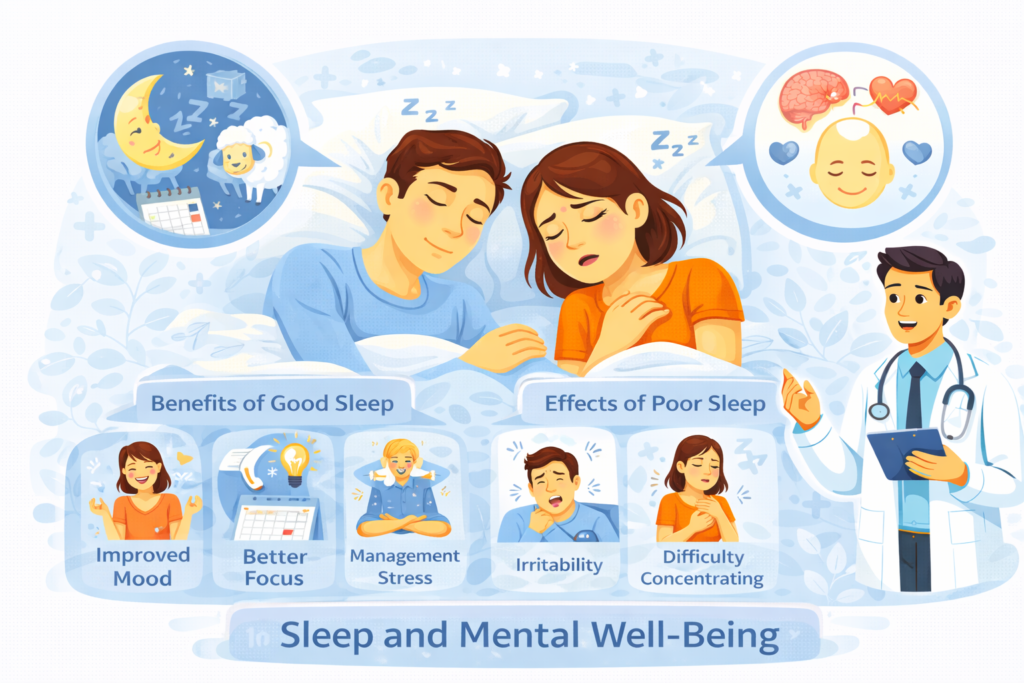
Financial worry is one of the most commonly reported causes of difficulty falling and staying asleep. Racing thoughts about money frequently surface at night, when there are fewer distractions to compete with them.
Poor sleep, in turn, raises cortisol further, impairs the immune system, and reduces the brain’s capacity for emotional regulation — making financial stress feel even more overwhelming the next day. This creates one of the first feedback loops in the broader cycle between financial stress and physical health.
Cardiovascular impact
Research consistently links chronic financial stress to increased risk of high blood pressure, heart disease, and stroke. The mechanism involves both the direct effects of chronically elevated stress hormones on blood vessels and the heart, and the indirect effects of stress on behaviours that further raise cardiovascular risk, such as poor diet, reduced exercise, and increased smoking or alcohol use.
Digestive symptoms
The gut is highly sensitive to the body’s stress response. Financial stress commonly triggers or worsens digestive symptoms including nausea, stomach pain, changes in appetite, and irritable bowel symptoms. This connection runs through the gut-brain axis, the extensive communication network between the digestive system and the nervous system.
Weakened immune function
Chronic stress, including financial stress, suppresses immune function over time, making infections more frequent and slower to resolve. People experiencing prolonged financial stress often notice they catch colds more easily or take longer to recover from minor illnesses than usual.
Headaches and muscle tension
Financial worry frequently produces the same physical tension response as other forms of stress — tightened shoulders, clenched jaw, and a tense neck that commonly trigger tension headaches. Many people experience these physical symptoms without immediately connecting them to financial pressure as the underlying cause.
Why physical health problems make financial stress worse
Financial stress and physical health form a genuine cycle rather than a one-directional relationship, because declining health frequently intensifies the very financial pressure that caused it.
Healthcare costs
Stress-related health problems often require medical attention, generating costs that compound existing financial pressure. This is particularly significant in healthcare systems where out-of-pocket costs for consultations, medication, or treatment are substantial.
Reduced work capacity
Physical symptoms such as fatigue, headaches, and poor sleep reduce concentration, productivity, and the capacity to perform at work. For some people, this leads to reduced hours, missed opportunities, or in more severe cases, time off work — all of which can directly reduce income at the exact moment financial pressure is already high.
Impaired decision-making
Chronic stress and poor sleep impair the prefrontal cortex, the brain region responsible for planning, judgement, and long-term decision-making. Research on the psychology of scarcity shows that financial stress specifically narrows attention toward immediate, pressing concerns, making it genuinely harder to engage in the longer-term financial planning that might help resolve the underlying problem.
This is not a matter of willpower or intelligence. It reflects measurable changes in cognitive function under chronic financial pressure, which helps explain why financial stress can feel disproportionately difficult to think your way out of.
Social withdrawal and isolation
Financial stress often leads to social withdrawal, partly due to shame and partly due to the practical cost of social activities. Reduced social connection is independently linked to worse physical and mental health outcomes, adding another layer to the cycle.
For more on how chronic stress hormones affect the body more broadly, read our article on Inflammation 101: How to Know if You Have It and What to Eat Next.
Recognising the cycle in your own life
Breaking a cycle requires first recognising it clearly. Common signs that financial stress is affecting your physical health include:
- frequent headaches or muscle tension that correlate with periods of financial pressure, such as around bill due dates
- difficulty falling asleep due to racing thoughts about money
- digestive symptoms that worsen during financially stressful periods
- getting sick more frequently or taking longer to recover from minor illnesses
- noticing your blood pressure has increased during a period of significant financial strain
- physical exhaustion that does not match your actual physical activity levels
- increased reliance on alcohol, smoking, or comfort eating as a way of coping with financial worry
Recognising these patterns does not require a medical test. It often simply requires honestly tracking your physical symptoms alongside your financial stress over a few weeks to see whether a connection becomes visible.
How to break the cycle between financial stress and physical health
Breaking this cycle effectively usually requires addressing both the financial pressure itself and the physical stress response simultaneously, rather than treating either in isolation.
Address what is genuinely actionable financially
Uncertainty often feels worse than the underlying numbers themselves. Getting a clear, accurate picture of your actual financial situation — income, expenses, debts, and available support — frequently reduces anxiety even before any numbers change, simply because uncertainty itself is a significant driver of the stress response.
This is factual information for your own decision-making, not financial advice: free, confidential debt and budgeting support services exist in many countries specifically to help people create this clarity and identify realistic next steps. Seeking this kind of support is a practical action, not an admission of failure.
Interrupt the stress response directly
Because financial stress activates the same physiological pathways as other stressors, techniques that calm the nervous system genuinely help, even though they do not change the underlying financial situation.
- slow, diaphragmatic breathing reduces cortisol and heart rate within minutes
- regular physical movement, even brief walks, measurably lowers stress hormone levels
- a consistent sleep routine supports the body’s capacity to regulate stress hormones overnight
- structured worry time, sometimes called a worry window, can prevent financial rumination from spreading across your entire day
For a detailed guide on this last technique, read our article on How to Start a ‘Worry Window’ Practice to Stop Rumination.
Protect your physical health proactively
During periods of financial stress, basic health maintenance often slips first — appointments get postponed, exercise stops, and diet quality declines. Deliberately protecting these basics, even in small ways, helps prevent the physical side of the cycle from compounding.
- keep up with low-cost or free preventative healthcare where available, rather than postponing it indefinitely
- maintain some form of regular movement, which requires no financial cost and measurably reduces stress hormone levels
- prioritise sleep as a non-negotiable, even when financial worry makes it tempting to stay up working through numbers repeatedly
- limit reliance on alcohol or excessive caffeine as coping mechanisms, as both can worsen the physical symptoms of stress over time
Reduce isolation deliberately
Financial stress often pushes people toward withdrawal at exactly the point when connection would help most. Maintaining at least some low-cost or free social connection — a phone call, a walk with a friend, a shared meal at home rather than a restaurant — protects against the additional health impact of isolation without adding financial pressure.
Separate worth from financial circumstance
Financial stress frequently carries significant shame, which intensifies its psychological and physical impact. Recognising that financial difficulty often reflects circumstances — economic conditions, unexpected costs, systemic factors — rather than personal failure can reduce the additional burden that shame adds to an already stressful situation.
When to seek professional support
Seek support from a doctor if:
- you notice new or worsening physical symptoms such as chest pain, persistent headaches, or significant changes in blood pressure
- sleep difficulties persist for several weeks despite attempts to address them
- you notice signs of depression or anxiety alongside the financial stress, including persistent low mood, hopelessness, or panic symptoms
- you are using alcohol, smoking, or other substances increasingly to manage financial stress
Seek financial guidance from a qualified, often free or low-cost, debt or budgeting advisory service if:
- you are unsure of your actual financial position or feel overwhelmed by the complexity of your situation
- you are struggling to meet essential payments such as housing, utilities, or food
- you are receiving collections calls or notices and are unsure how to respond
Addressing both the financial and physical sides of this cycle, often with professional support for each, produces better outcomes than attempting to manage either in complete isolation.
The Mind charity’s guide on money and mental health provides further practical resources for managing the psychological impact of financial difficulty.
Key Takeaways
- Financial stress and physical health are connected through chronic activation of the body’s stress response, including elevated cortisol, disrupted sleep, and weakened immune function.
- Physical consequences of financial stress include cardiovascular strain, digestive symptoms, headaches, muscle tension, and increased susceptibility to illness.
- Declining physical health frequently worsens financial pressure through healthcare costs, reduced work capacity, and impaired decision-making — creating a genuine vicious cycle.
- Chronic financial stress measurably narrows cognitive capacity for long-term planning, which is a recognised effect of scarcity rather than a personal failing.
- Breaking the cycle requires addressing both financial clarity and the physical stress response simultaneously, rather than treating either alone.
- Free or low-cost debt and budgeting support, alongside nervous system regulation techniques, can interrupt the cycle effectively.
- Persistent physical symptoms, sleep difficulty, or signs of depression and anxiety alongside financial stress warrant professional support.
Conclusion
The link between financial stress and physical health is not a coincidence or a sign of personal weakness. It reflects a real, measurable biological response that the body produces under chronic financial pressure, and a cycle in which the resulting physical decline can make the original financial difficulty even harder to resolve.
Recognising this connection does not immediately fix the underlying financial situation. What it does is remove a layer of confusion and self-blame, replacing it with a clearer understanding of why you might be feeling the way you are — and a more accurate sense of where to direct your energy to break the cycle.
Addressing the financial side and the physical side together, with appropriate support for each, gives you the best chance of interrupting a pattern that, left unaddressed, tends to compound rather than resolve on its own.
Medical Disclaimer: The information on this page is provided for educational and informational purposes only and is not intended as medical or financial advice. It should not replace consultation with a qualified healthcare professional or financial advisor. For full details, please read our Disclaimer.