Fatigue is a common experience that goes beyond ordinary tiredness. It refers to a persistent feeling of low energy, exhaustion, or lack of motivation that does not fully improve with rest. Fatigue can affect physical performance, mental focus, and overall quality of life.
As a health condition–related concern, fatigue is often a signal that the body or mind may need attention.
What It Is
Fatigue is a state of ongoing physical or mental weariness. Unlike short-term tiredness after activity or a busy day, fatigue may feel more constant and harder to shake off. It can affect concentration, mood, and the ability to carry out daily tasks.
Fatigue may affect people of all ages. It can occur on its own or alongside other health concerns, and its impact can range from mild to more limiting depending on the underlying factors involved.
Common Causes or Risk Factors
Fatigue can have many possible causes, and it is often influenced by a combination of physical, mental, and lifestyle factors. Common contributors may include:
- Sleep-related issues, such as poor sleep quality or irregular sleep schedules
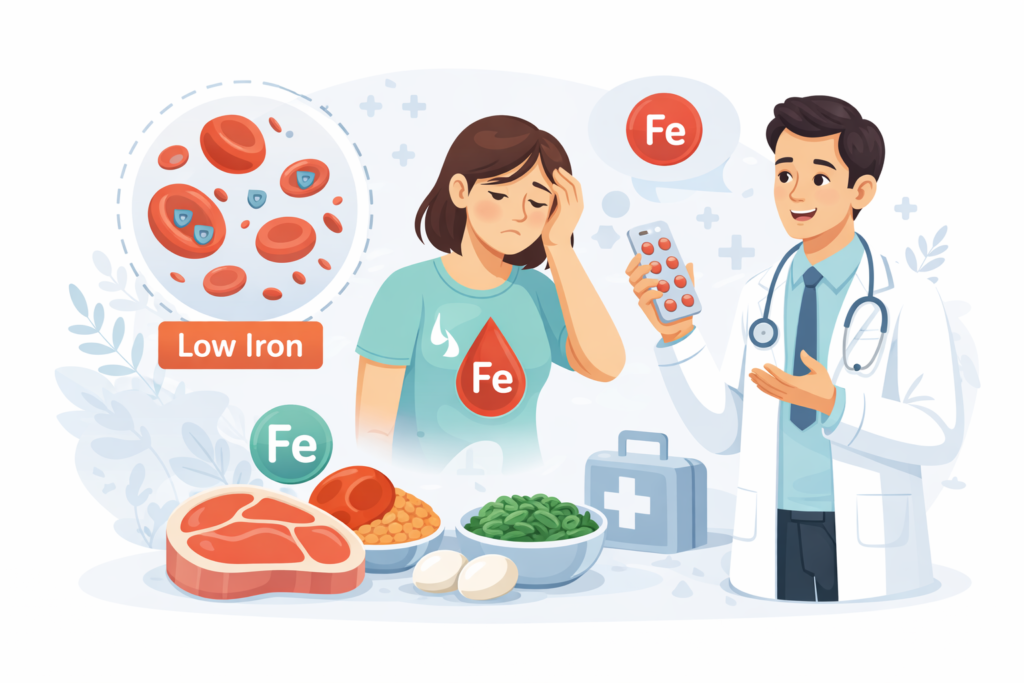
- Nutritional factors, including low intake of key nutrients
- Ongoing stress or emotional strain
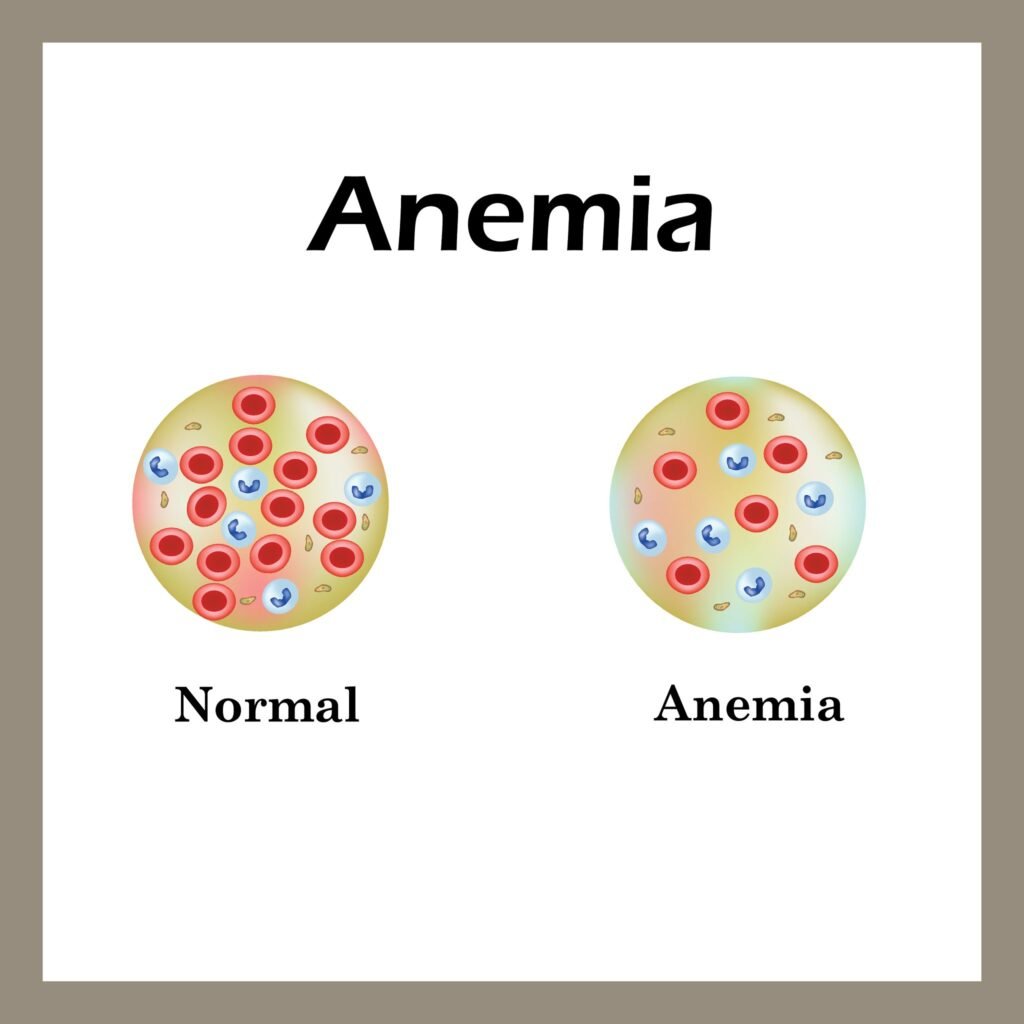
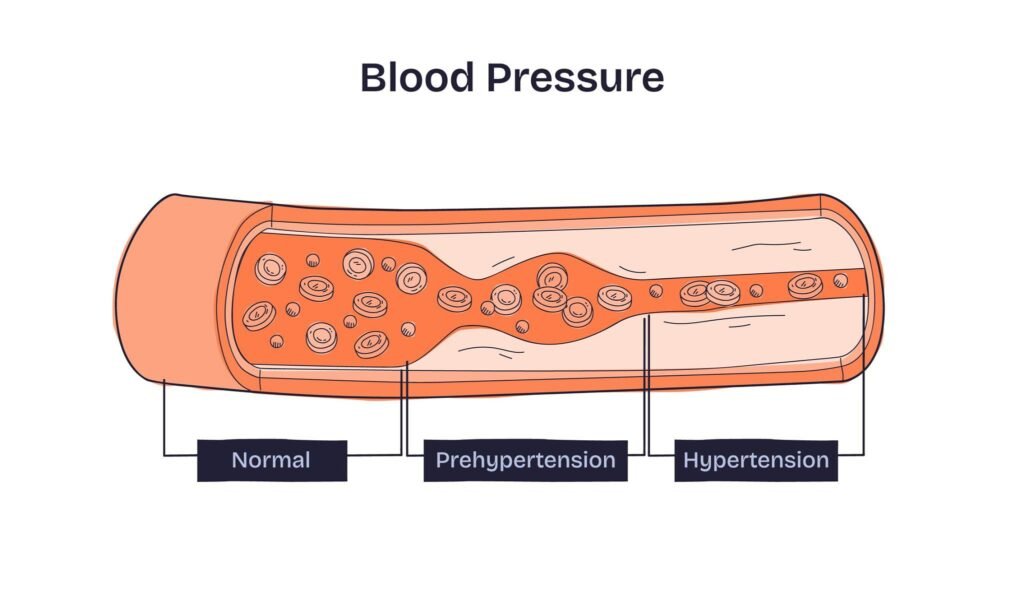
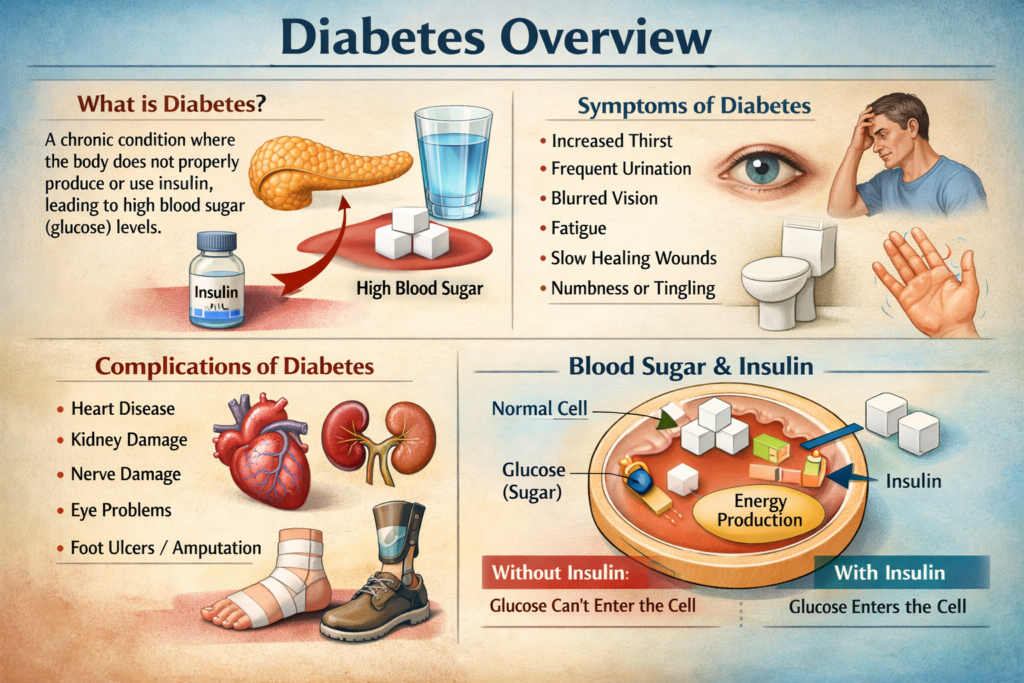
- Health conditions, such as anemia, thyroid disorders, or chronic illnesses
- Low physical activity or overexertion
- Dehydration
Because fatigue is influenced by many systems in the body, identifying a single cause is not always straightforward.
Signs and Symptoms
Fatigue can show up in different ways, and symptoms may vary widely between individuals. Common signs and symptoms may include:
- Persistent low energy or exhaustion
- Difficulty concentrating or “brain fog”
- Reduced motivation
- Physical weakness or heaviness
- Feeling overwhelmed by routine tasks
- Increased need for rest
Some people may experience fatigue mainly in the body, while others notice mental or emotional effects. The presence or intensity of symptoms can change over time.
How It Is Identified or Evaluated
Fatigue is usually evaluated by a healthcare professional through discussion and overall health review. This may involve talking about sleep habits, stress levels, daily routines, and any additional symptoms.
Healthcare professionals may look for patterns or underlying factors that could be contributing to fatigue. Evaluation focuses on understanding the broader health context rather than fatigue alone.
General Management and Care
Managing fatigue often involves addressing contributing factors and supporting overall well-being. At a general level, care may include:
- Lifestyle adjustments, such as improving sleep routines and daily structure
- Balanced nutrition and hydration to support energy levels
- Physical activity, adjusted to individual capacity
- Medical care, when fatigue is linked to an underlying health condition
Approaches vary depending on individual needs and circumstances. Ongoing fatigue may require monitoring and professional input.
Prevention or Risk Reduction
While fatigue cannot always be prevented, certain habits may help reduce its likelihood or severity. These may include:
- Maintaining consistent sleep and wake times
- Managing stress through healthy coping strategies
- Staying physically active within comfortable limits
- Eating regular, balanced meals
- Paying attention to early signs of low energy
Risk reduction focuses on awareness and balance rather than quick fixes.
When to See a Healthcare Professional
It may be helpful to consult a healthcare professional if fatigue is persistent, worsening, or interfering with daily life. Evaluation is especially important if fatigue occurs alongside other symptoms such as dizziness, shortness of breath, or unexplained changes in health.
Professional guidance can help clarify possible causes and support appropriate next steps.
Key Takeaways
- Fatigue is a persistent feeling of low energy and lack of motivation that doesn’t improve with rest.
- Common causes of fatigue include sleep issues, nutritional deficiencies, stress, health conditions, and inactivity.
- Symptoms of fatigue vary and may include low energy, difficulty concentrating, and reduced motivation.
- Managing fatigue involves lifestyle changes, balanced nutrition, physical activity, and potentially medical care.
- Consult a healthcare professional if fatigue is persistent or worsens, especially if accompanied by other concerning symptoms.
Medical Disclaimer:
The information on this page is provided for educational and informational purposes only and is not intended as medical advice. It should not replace consultation with a qualified healthcare professional. For full details, please read our Disclaimer.