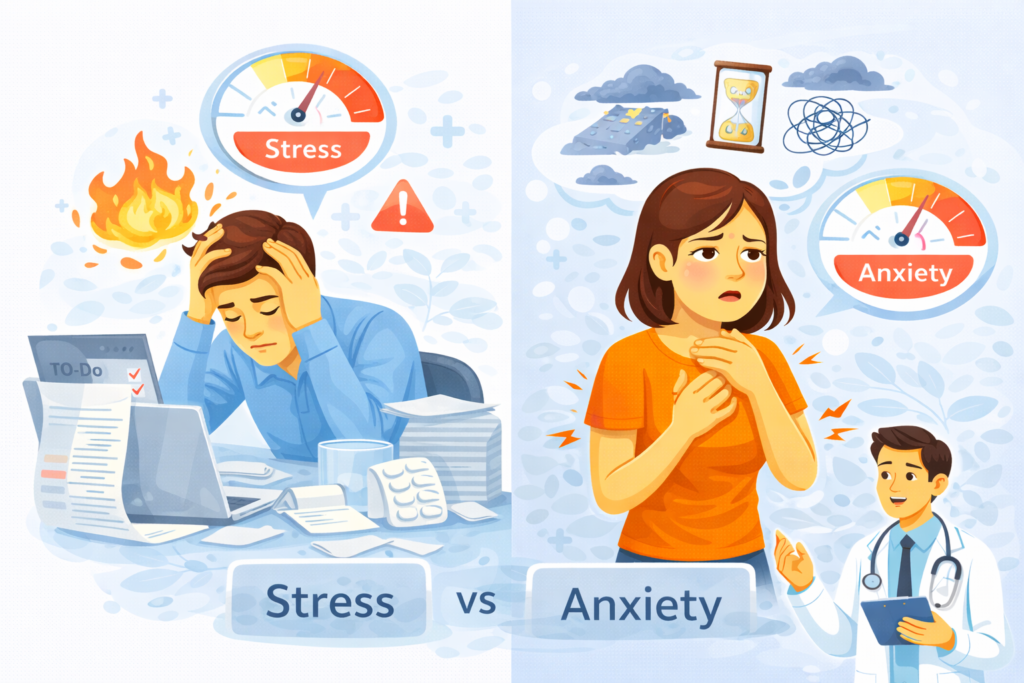
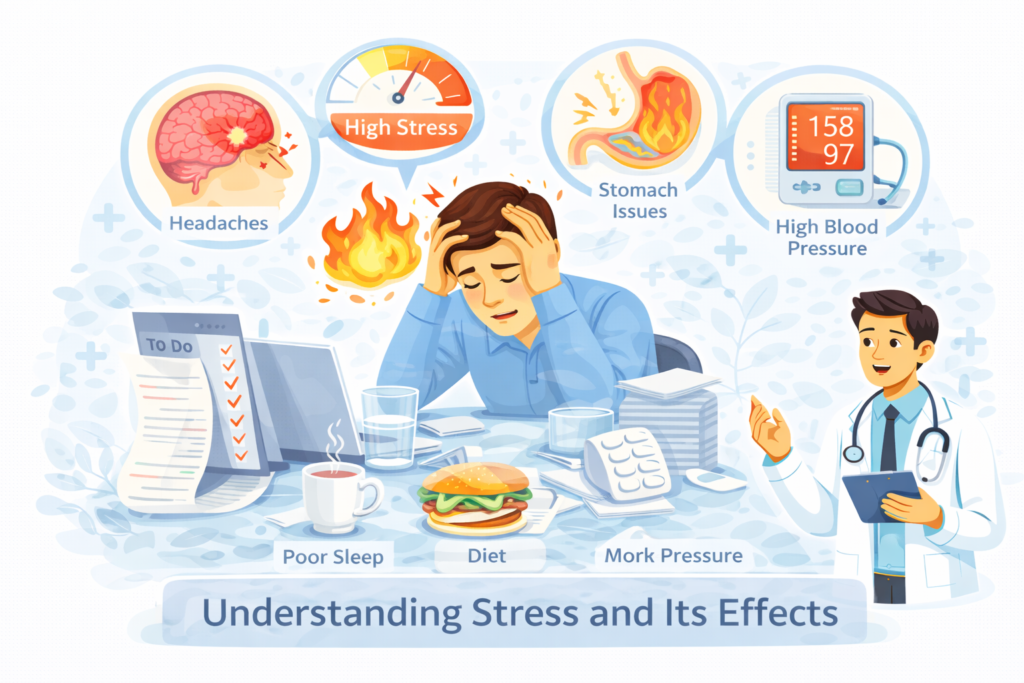
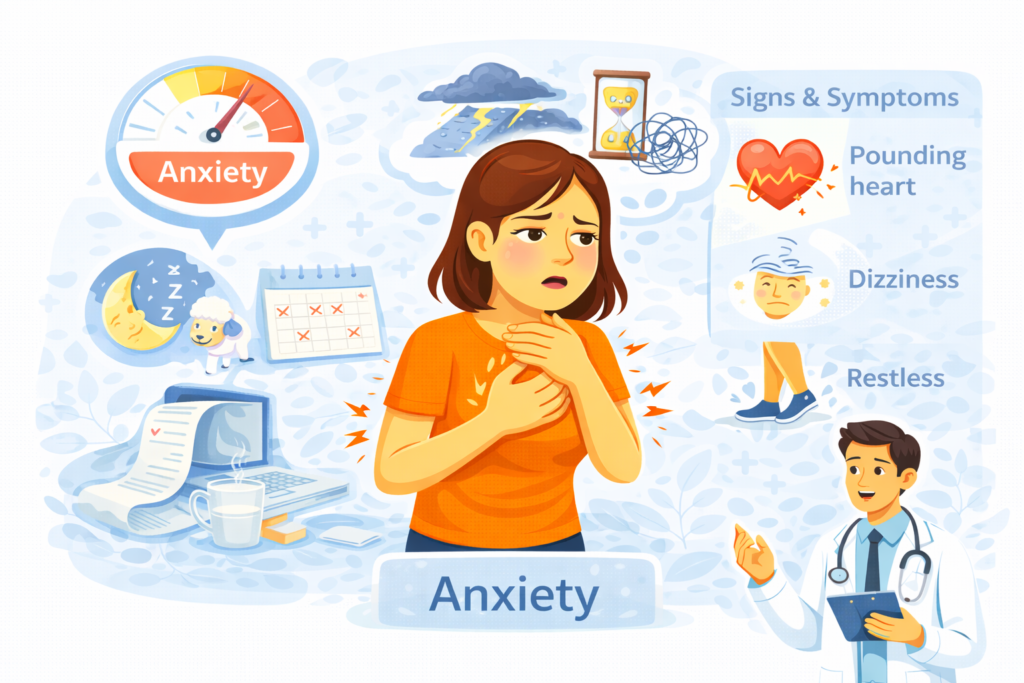
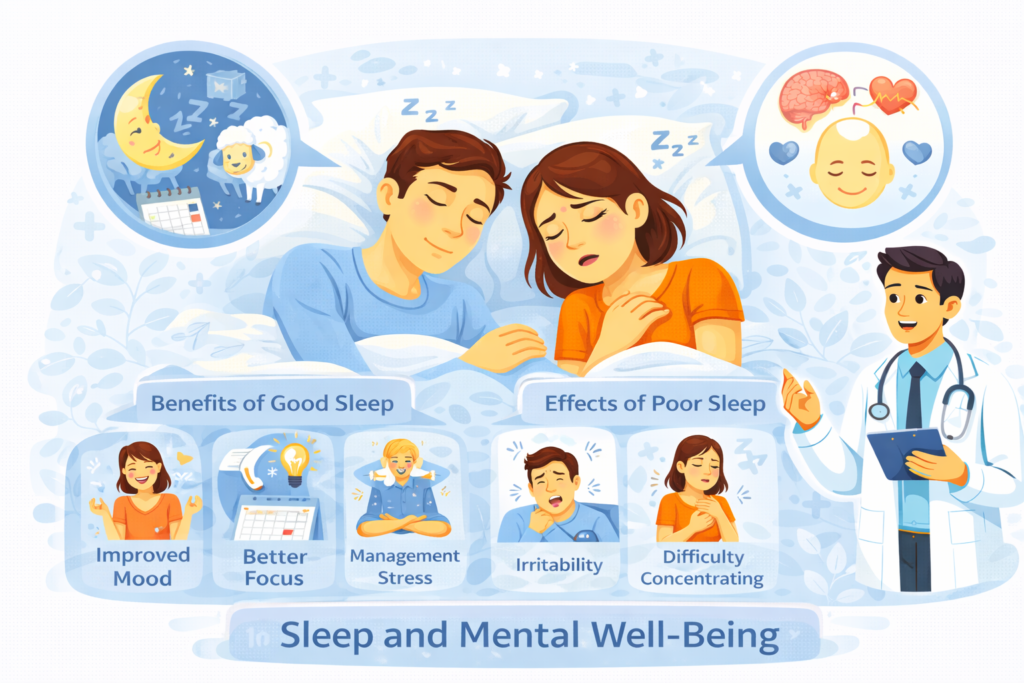
Emotional health shapes how people experience life, respond to challenges, and relate to others. It influences how emotions are felt, understood, and expressed, from moments of joy and calm to times of sadness, frustration, or uncertainty. When emotional health is supported, it becomes easier to cope with stress, maintain relationships, and adapt to change.
Emotional health does not mean feeling happy all the time. Instead, it reflects the ability to recognize emotions, manage them in healthy ways, and recover from difficult experiences.
What It Is
Emotional health refers to a person’s ability to understand, express, and manage emotions in everyday life. It involves recognizing feelings as they arise, responding thoughtfully rather than impulsively, and maintaining emotional balance over time.
Healthy emotional functioning allows individuals to experience a full range of emotions, both positive and challenging, without becoming overwhelmed. Emotional health is closely connected to mental well-being, stress levels, and overall quality of life.
It can change over time and is influenced by life experiences, relationships, physical health, and coping skills.
Common Causes or Risk Factors
Emotional health can be affected by many internal and external factors. Common influences or risk factors may include:
- Ongoing stress, especially without adequate coping support
- Major life changes, such as loss, relocation, or new responsibilities
- Relationship challenges, including conflict or lack of support
- Sleep disruption, which can affect emotional regulation
- Physical health concerns, which may influence mood and resilience
- Past experiences, which shape emotional responses and coping patterns
These factors do not affect everyone in the same way. Emotional responses are shaped by personality, environment, and available support.
Signs and Symptoms
When emotional health is strained, signs may appear in thoughts, behaviors, or physical sensations. Common signs may include:
- Feeling emotionally overwhelmed or easily upset
- Difficulty managing stress
- Mood changes or emotional numbness
- Trouble expressing feelings clearly
- Withdrawal from social connections
- Fatigue or low motivation
On the other hand, good emotional health often shows up as emotional awareness, flexibility, and the ability to recover after setbacks.
How It Is Identified or Evaluated
Emotional health is typically explored through conversation with a healthcare or mental health professional. Evaluation often includes discussing emotional experiences, stress levels, relationships, coping habits, and how emotions affect daily life.
Rather than labeling emotions as “good” or “bad,” professionals focus on patterns, intensity, and how emotions are managed over time.
General Management and Care
Supporting emotional health involves building awareness, balance, and coping skills. At a high level, care may include:
- Developing emotional awareness, recognizing feelings without judgment
- Stress-management practices, to reduce emotional overload
- Healthy routines, which support emotional stability
- Social connection, which plays a key role in emotional resilience
- Professional support, when emotions feel difficult to manage alone
Emotional health care often focuses on gradual growth rather than immediate change.
Prevention or Risk Reduction
While emotional challenges are a natural part of life, certain habits may help protect emotional well-being. These may include:
- Maintaining regular sleep and daily routines
- Staying physically active
- Expressing emotions in safe, healthy ways
- Seeking support during stressful periods
- Practicing self-compassion and emotional flexibility
Prevention focuses on resilience and self-awareness rather than avoiding emotions.
When to See a Healthcare Professional
It may be helpful to seek professional support if emotional difficulties persist, intensify, or interfere with daily functioning, relationships, or self-care. Evaluation is especially important if emotions feel overwhelming, unpredictable, or difficult to manage over time.
Early support can help strengthen emotional skills and improve overall well-being.
Key Takeaways
- Emotional health influences how we experience life, manage stress, and relate to others.
- It involves recognizing and managing emotions, reflecting emotional balance, and understanding everyday feelings.
- Common risk factors for emotional health include stress, major life changes, and relationship challenges.
- Signs of poor emotional health can manifest as emotional overwhelm, mood changes, and withdrawal from connections.
- Support for emotional health focuses on awareness, stress management, social connections, and when necessary, professional help.
Medical Disclaimer:
The information on this page is provided for educational and informational purposes only and is not intended as medical advice. It should not replace consultation with a qualified healthcare professional. For full details, please read our Disclaimer.