Pain is the body’s way of signaling that something needs attention. For many people, pain is short-term and fades as the body heals. Chronic pain is different. It lingers, sometimes for months or longer, and can affect not just the body but also mood, sleep, relationships, and overall quality of life.
Living with ongoing pain can be exhausting and isolating, especially when others cannot see it.
What It Is
Chronic pain generally refers to pain that lasts longer than expected for normal healing. Instead of resolving after an injury or illness improves, the pain continues or returns repeatedly.
This type of pain can affect different parts of the body, including the back, joints, muscles, or nerves. In some cases, the original cause of pain is clear. In others, pain persists even when no obvious injury remains.
Chronic pain affects people differently. Some experience constant discomfort, while others have pain that comes and goes. Its intensity and impact can change over time.
Common Causes or Risk Factors
Chronic pain can develop from many different situations, often involving a mix of physical, neurological, and emotional factors. Common causes or risk factors may include:
- Previous injuries or surgeries, where pain continues beyond healing
- Musculoskeletal conditions, such as back or joint problems
- Inflammation, which may affect tissues and nerves
- Nerve-related changes, where pain signals persist
- Chronic health conditions, such as arthritis or migraines
- Stress and emotional strain, which can heighten pain sensitivity
Chronic pain rarely has a single cause, and contributing factors often overlap.
Signs and Symptoms
Symptoms of chronic pain can vary widely depending on the cause and individual experience. Common signs and symptoms may include:
- Ongoing aching, burning, or throbbing pain
- Pain that lasts for months or longer
- Reduced mobility or stiffness
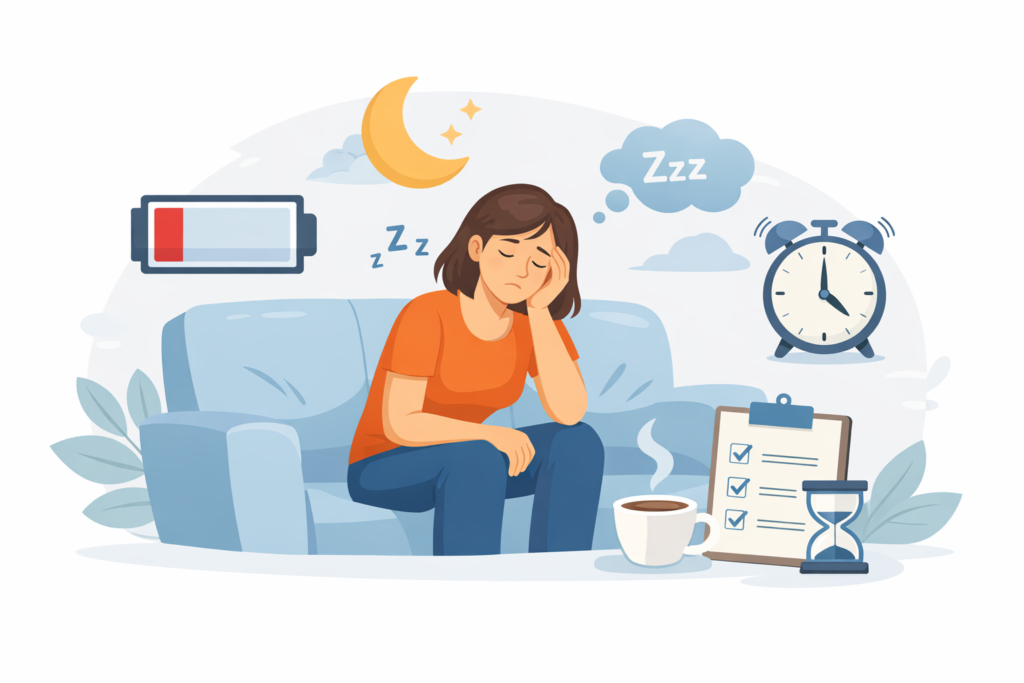
- Fatigue or low energy
- Sleep difficulties
- Mood changes, including frustration or low mood
The emotional impact of chronic pain can be just as significant as the physical discomfort.
How It Is Identified or Evaluated
Chronic pain is usually evaluated by a healthcare professional through detailed discussion and assessment. This often includes reviewing pain history, previous injuries, daily activities, and how pain affects sleep, work, and mood.
Healthcare professionals focus on understanding patterns, triggers, and the overall impact of pain on daily life. Evaluation helps guide appropriate care and long-term management.
General Management and Care
General care for chronic pain focuses on improving comfort, function, and quality of life rather than eliminating pain entirely. At a high level, management may include:
- Ongoing medical care, guided by healthcare professionals
- Lifestyle adjustments, such as pacing activities and maintaining movement
- Physical activity, adapted to comfort and ability
- Stress management and emotional support, which can influence pain perception
- Monitoring symptoms, to identify patterns or changes
Chronic pain care often involves a long-term, supportive approach.
Prevention or Risk Reduction
Not all chronic pain can be prevented, but certain habits may help reduce risk or limit progression. These may include:
- Staying physically active within comfortable limits
- Using proper body mechanics during daily activities
- Managing stress effectively
- Addressing pain early rather than ignoring it
- Attending routine health checkups
Risk reduction focuses on early awareness and consistent care.
When to See a Healthcare Professional
It may be important to seek professional guidance if pain lasts longer than a few months, worsens over time, or interferes with sleep, work, or daily activities. Evaluation is also important if pain is accompanied by weakness, numbness, or unexplained changes in health.
Professional assessment can help clarify causes and support appropriate long-term care.
Key Takeaways
- Chronic pain persists longer than expected and affects mood, sleep, and quality of life.
- Common causes include injuries, musculoskeletal conditions, inflammation, nerve changes, and stress.
- Symptoms vary widely but often include ongoing pain, fatigue, mobility issues, and mood changes.
- Healthcare professionals evaluate chronic pain through detailed discussions and assessments to guide care.
- While not all chronic pain can be prevented, proactive habits like physical activity and stress management may help.
Medical Disclaimer:
The information on this page is provided for educational and informational purposes only and is not intended as medical advice. It should not replace consultation with a qualified healthcare professional. For full details, please read our Disclaimer.