The doctor hands you your blood test results. Rows of numbers, abbreviations, and reference ranges cover the page. Some values carry an H for high or an L for low, while others sit quietly within range.
For most people, this moment brings more confusion than clarity. Blood tests are among the most informative tools in medicine — but the numbers only become useful once you understand what they actually measure.
This guide explains blood test results in plain, straightforward terms. It covers the key markers found on a standard blood panel so you can have a more informed conversation with your doctor.
How Blood Tests Work
Blood carries substances from every organ and system in the body. When an organ is under stress, inflamed, or not functioning as it should, it often releases different amounts of certain proteins, enzymes, or chemicals into the bloodstream.
By measuring the levels of these substances, doctors can build a detailed picture of what’s happening inside the body without looking directly at an organ.
Most routine blood tests fall into a few categories: a complete blood count, a metabolic panel, a lipid panel, and specific markers for organs or conditions. Each one tells a different part of the story.
Read more on how gum disease and heart health are closely connected.
Complete Blood Count (CBC)
The complete blood count, abbreviated as CBC, measures the three main types of cells in the blood. It’s one of the most commonly ordered tests and gives doctors a broad view of general health.
Red Blood Cells and Haemoglobin
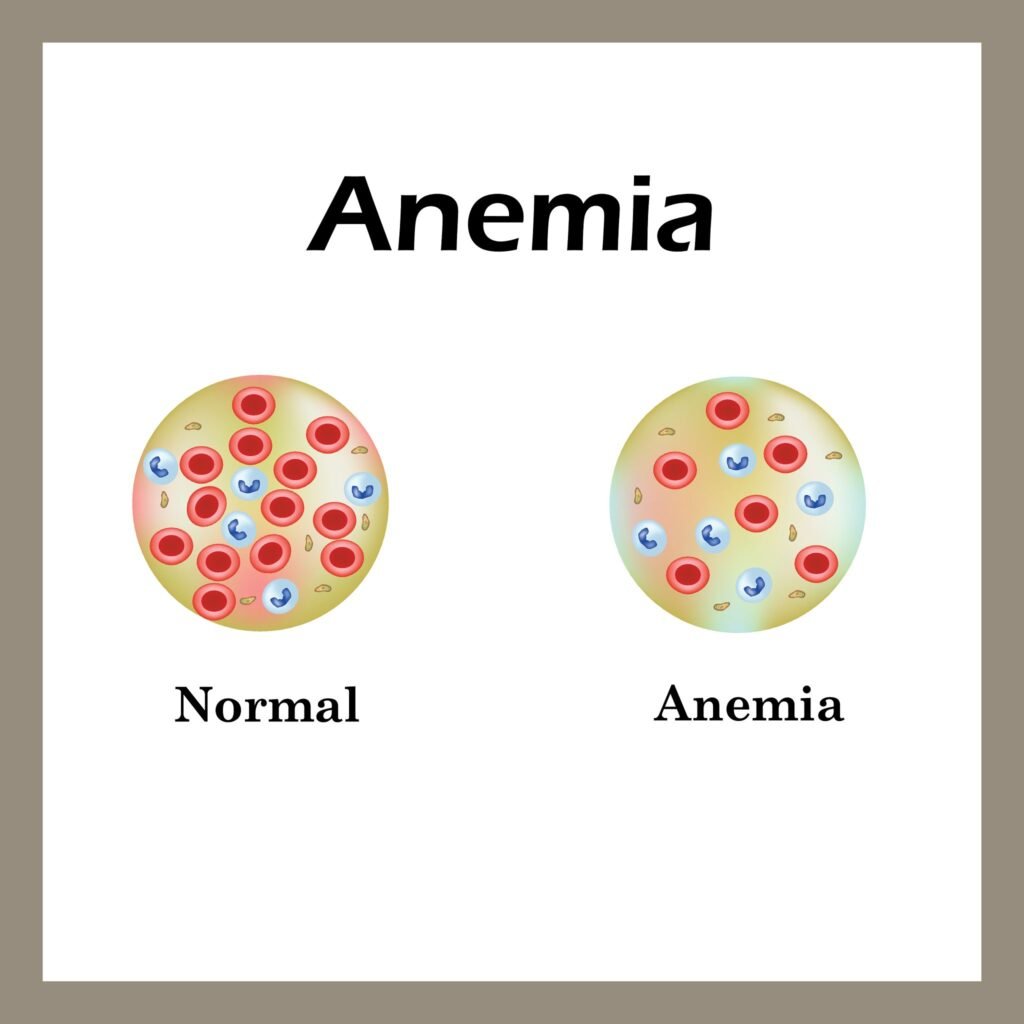
Red blood cells carry oxygen from the lungs to the rest of the body, and haemoglobin is the protein inside them that binds to that oxygen.
When red blood cell or haemoglobin levels drop too low, the condition is called anaemia. It often causes fatigue, paleness, and shortness of breath. On the other hand, unusually high levels can point to dehydration or certain bone marrow conditions.
White Blood Cells
White blood cells act as the immune system’s main line of defense, identifying and destroying bacteria, viruses, and abnormal cells.
- High count — usually means the body is fighting an infection or responding to inflammation; a very high count may indicate a blood disorder
- Low count — can suggest the immune system is suppressed, which may be linked to certain medications, autoimmune conditions, or other health issues
Platelets
Platelets are small cell fragments that help blood clot when a vessel is damaged, making them the body’s first responders to a cut or injury.
- Low platelets — can lead to difficulty clotting and easy bruising
- High platelets — can increase the risk of unwanted clots forming inside blood vessels
Metabolic Panel
The metabolic panel checks how well the body’s key chemical processes are working. It covers blood sugar, kidney function, liver function, and electrolyte balance.
Blood Glucose
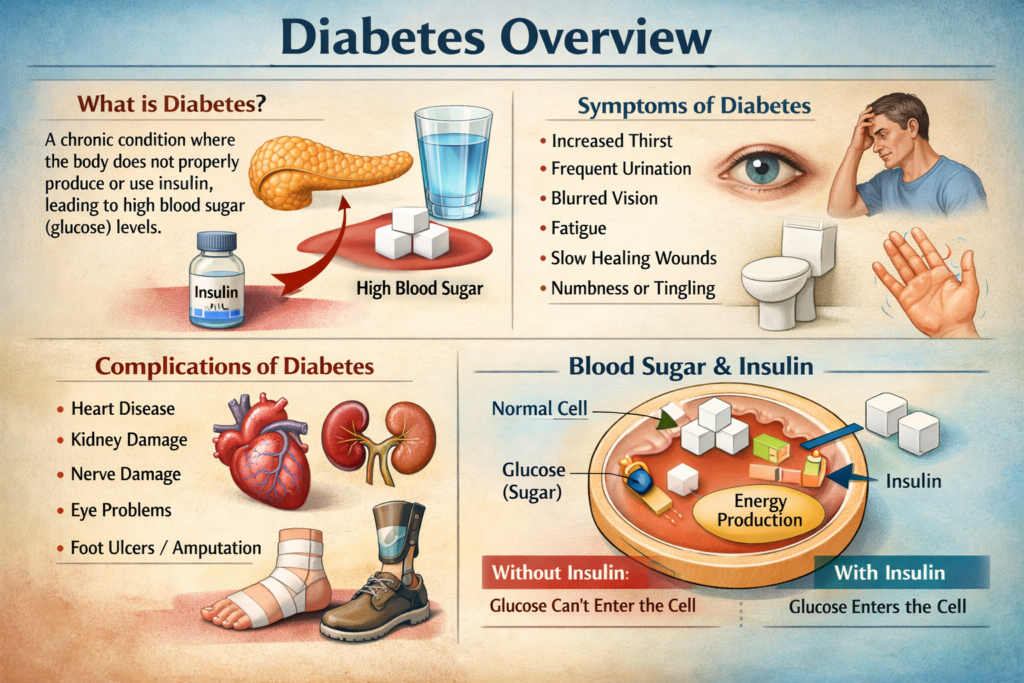
Glucose is the body’s primary fuel source, and doctors typically measure blood glucose after fasting — meaning several hours without eating.
If a fasting level sits consistently above the normal range, it suggests difficulty regulating blood sugar, which may point to prediabetes or diabetes. Conversely, a level below the normal range can cause shakiness, confusion, and fatigue.
HbA1c
While fasting glucose gives a snapshot of blood sugar at one moment, HbA1c reflects the average blood sugar level over the past two to three months.
Think of it this way: fasting glucose is today’s weather, while HbA1c is the seasonal forecast. As a result, it gives a more complete picture of how well blood sugar has been managed over time — and is particularly important for people monitoring or managing diabetes.
Creatinine and Kidney Function
Creatinine is a waste product the body produces naturally from muscle activity, and healthy kidneys filter it out of the blood efficiently.
When creatinine levels rise, it often signals that the kidneys aren’t filtering as well as they should. To dig deeper, doctors may also calculate a related value called eGFR, which estimates the kidneys’ filtering capacity and helps assess the stage of kidney function.
Liver Enzymes (ALT and AST)
The liver releases certain enzymes into the blood when its cells are damaged or under stress. The two most commonly measured are ALT and AST.
Several things can elevate liver enzymes, including alcohol use, fatty liver disease, certain medications, or viral hepatitis. Mildly elevated values aren’t always serious, but persistent elevation warrants investigation.
Electrolytes
Electrolytes are minerals that regulate fluid balance, muscle function, and nerve signals. The main ones tested are sodium, potassium, and chloride.
Imbalances can affect heart rhythm, muscle strength, and nerve function, so doctors pay close attention to these values in people taking certain blood pressure medications or those with kidney conditions.
Lipid Panel
The lipid panel measures the fats circulating in the bloodstream, and these values are closely linked to cardiovascular health.
Total Cholesterol
Cholesterol is a fatty substance the body uses to build cells and produce hormones. Total cholesterol is a starting point, but the breakdown into different types matters most.
LDL Cholesterol (“Bad” Cholesterol)
Doctors often call LDL “bad” cholesterol because it’s most associated with plaque build-up inside artery walls. High LDL levels increase the risk of heart attack and stroke.
For this reason, people with existing heart disease or diabetes often have lower target LDL levels than the general population.
HDL Cholesterol (“Good” Cholesterol)
People often call HDL “good” cholesterol because it helps carry excess cholesterol away from the arteries and back to the liver, where the body processes and removes it. Generally, higher HDL levels are protective.
Triglycerides
Triglycerides are a type of fat the body stores and releases into the blood after eating. Consistently high levels — often linked to excess sugar, refined carbohydrates, and alcohol — raise cardiovascular and pancreatic risk.
Thyroid Function (TSH)
The thyroid is a small gland in the neck that controls metabolism, energy, and temperature regulation. Doctors test thyroid function through a marker called TSH (thyroid stimulating hormone), which the brain releases to tell the thyroid how much hormone to produce.
- High TSH — usually means the thyroid is underactive (hypothyroidism) and needs prompting to produce more hormone
- Low TSH — may mean the thyroid is overactive (hyperthyroidism)
Underactive Thyroid (Hypothyroidism)
Common signs include unexplained weight gain, persistent fatigue, feeling cold, dry skin, and low mood. Because the symptoms develop gradually, many people live with an underactive thyroid for years without a diagnosis.
Overactive Thyroid (Hyperthyroidism)
Common signs include unexplained weight loss, a racing heart, difficulty sleeping, anxiety, and excessive sweating. Fortunately, doctors can manage both conditions well once they identify the underlying cause.
Inflammation Markers
Some blood tests measure the presence and level of inflammation in the body rather than organ function directly.
C-Reactive Protein (CRP)
The liver produces C-reactive protein in response to inflammation. When CRP rises, it means the immune system is actively responding to something — whether an infection, injury, or chronic inflammatory condition.
In particular, doctors sometimes use high-sensitivity CRP testing to assess cardiovascular risk, since low-grade inflammation in artery walls is a known contributor to heart disease.
Erythrocyte Sedimentation Rate (ESR)
ESR measures how quickly red blood cells settle to the bottom of a test tube. When inflammation is present, proteins in the blood cause the cells to clump and settle faster than normal.
Similarly, an elevated ESR indicates inflammation but doesn’t identify its source. Doctors use both markers alongside other findings rather than in isolation.
Iron Studies
Iron is essential for producing haemoglobin, and iron studies give a fuller picture of the body’s iron status beyond what a basic CBC shows.
- Serum iron — the amount of iron currently circulating in the blood
- Ferritin — the body’s iron storage protein; low ferritin is often the earliest sign of iron deficiency, even before anaemia develops
- Transferrin saturation — how much of the blood’s iron-carrying protein is currently loaded with iron
Iron deficiency is one of the most common nutritional deficiencies globally and a frequent cause of fatigue, particularly in women. Because ferritin testing can catch this early, doctors can begin treatment before it progresses to full anaemia.
Understanding Your Reference Ranges
Every result comes with a reference range — the values doctors consider normal for that marker. A result outside this range gets flagged, but flagged doesn’t always mean dangerous.
When reading your blood test results, keep a few things in mind:
- Reference ranges come from population averages, so a result slightly outside the range doesn’t automatically indicate a problem
- Context matters — a single result is less meaningful than a trend across multiple tests over time
- Recent food, exercise, illness, or medication can affect some values
- Your specific health history may fully explain a result that looks abnormal in isolation
Ultimately, the goal of understanding your blood work isn’t to self-diagnose. Instead, it’s to have a more informed conversation with your doctor about what the numbers mean for you specifically.
When to Discuss Your Results With a Doctor
Always review blood results with a healthcare professional if:
- Multiple values fall outside the normal range
- A result has changed significantly from a previous test
- You have symptoms that align with what a flagged marker suggests
- You’re unsure what a result means or what to do about it
- You have a family history of a condition the result may relate to
Don’t rely solely on the reference range indicators on the printed report. Instead, remember that a doctor interprets results within the context of your full health picture — not just the numbers in isolation.
Key Takeaways
- Blood tests measure substances the body releases into the bloodstream, giving doctors a window into organ health and body function
- The CBC measures red blood cells, white blood cells, and platelets, covering oxygen delivery, immunity, and clotting
- A metabolic panel checks blood sugar, kidney function, liver enzymes, and electrolyte balance
- A lipid panel measures LDL, HDL, total cholesterol, and triglycerides, all of which affect cardiovascular health
- TSH tests assess thyroid function, which affects energy, weight, and metabolism
- CRP and ESR measure inflammation and help identify immune system activity
- Ferritin is an important early marker of iron deficiency, and checking haemoglobin alone often misses it
- Reference ranges are guides, not absolute rules — a doctor should always interpret results in context
Conclusion
Blood test results aren’t just numbers on a page — each one represents something specific happening inside your body. Once you understand the key markers, from glucose and creatinine to LDL and TSH, you can ask better questions, follow your doctor’s explanations more clearly, and make more informed decisions about your health.
A clear explanation of your blood test results is one of the most valuable conversations you can have with your healthcare team. So if you receive results that concern or confuse you, the right next step is always a conversation with a qualified healthcare professional who can interpret them in the context of your full medical history.
Understanding how inflammation shows up in your blood work connects directly to our article on Inflammation 101: How to Know if You Have It and What to Eat Next. For more on how infections affect the body, read our guide on Antibiotic Resistance: Why Your UTI Might Not Respond to Meds Anymore.
Medical Disclaimer: The information on this page is provided for educational and informational purposes only and is not intended as medical advice. It should not replace consultation with a qualified healthcare professional.
For full details, please read our Disclaimer.