What we eat plays a major role in how we feel each day. Nutrition affects energy levels, mood, digestion, focus, sleep, and long-term health. Yet nutrition advice can often feel confusing, restrictive, or overwhelming, especially when trends and rules change constantly.
Balanced nutrition is not about perfection or strict eating plans. It’s about giving the body a steady supply of nutrients that support everyday functioning and overall well-being.
What It Is
Balanced nutrition refers to eating a variety of foods that provide the body with essential nutrients, including carbohydrates, proteins, fats, vitamins, minerals, and water. Each of these nutrients plays a specific role in keeping the body functioning properly.
Rather than focusing on single “good” or “bad” foods, balanced nutrition looks at overall patterns. It emphasizes variety, moderation, and consistency over time. A balanced approach allows flexibility while still supporting physical and mental health.
Balanced nutrition can look different from person to person depending on age, lifestyle, culture, activity level, and health needs.
Common Causes or Risk Factors for Imbalance
Nutritional imbalance can develop for many reasons, often unintentionally. Common contributors may include:
- Irregular eating patterns, such as skipping meals
- Over-reliance on highly processed foods
- Limited food variety, reducing nutrient intake
- Busy schedules, leading to rushed or convenience-based choices
- Stress, which can affect appetite and food choices
- Digestive issues, which may affect nutrient absorption
Over time, these factors may influence energy levels, digestion, and overall well-being.
Signs and Symptoms of Poor Nutritional Balance
When nutrition is not well balanced, the body may send subtle signals. Common signs and symptoms may include:
- Ongoing fatigue or low energy
- Difficulty concentrating
- Frequent hunger or cravings
- Digestive discomfort
- Mood changes or irritability
- Weakened immune resilience
These signs do not point to a single deficiency but may reflect the need for more balanced intake.
How Nutritional Balance Is Evaluated
Balanced nutrition is usually evaluated through a combination of dietary patterns, lifestyle habits, and overall health assessment. Healthcare professionals may ask about typical meals, food variety, hydration, and daily routines.
Rather than focusing on individual foods, evaluation often looks at consistency, diversity, and long-term eating habits. This broader approach helps identify areas for improvement without unnecessary restriction.
General Management and Care
Supporting balanced nutrition focuses on building sustainable eating habits. At a high level, this may include:
- Eating regular meals, to support steady energy
- Including a variety of food groups, across meals and snacks
- Prioritizing whole or minimally processed foods, when possible
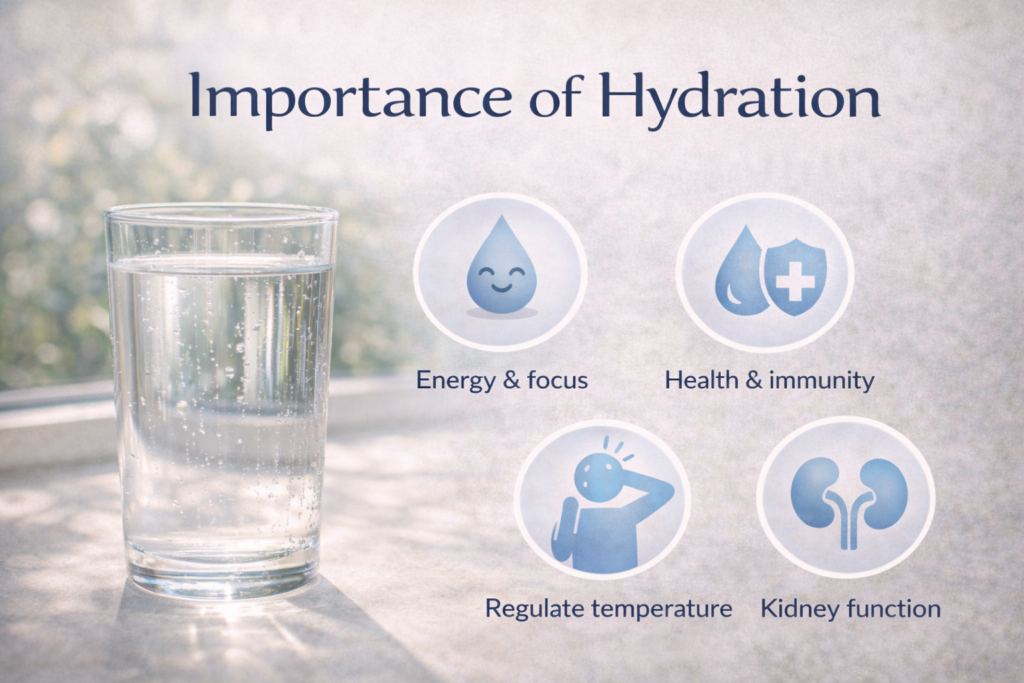
- Staying hydrated, which supports digestion and metabolism
- Adjusting intake based on activity levels, life stage, and health needs
Balanced nutrition works best when it fits naturally into daily life.
Prevention or Risk Reduction
While nutritional challenges can arise, certain habits may help maintain balance over time. These may include:
- Planning meals with flexibility
- Listening to hunger and fullness cues
- Avoiding extreme food rules
- Supporting regular routines
- Paying attention to how foods affect energy and digestion
Prevention focuses on consistency and awareness rather than strict control.
When to See a Healthcare Professional
It may be helpful to seek professional guidance if nutrition-related concerns persist, such as ongoing fatigue, unexplained weight changes, digestive discomfort, or difficulty maintaining regular eating patterns.
Professional input can help tailor nutritional support to individual needs and health goals.
Key Takeaways
- Balanced nutrition provides a variety of essential nutrients to support overall well-being and energy levels.
- Common causes of nutritional imbalance include irregular eating, reliance on processed foods, and stress.
- Signs of poor nutritional balance may include fatigue, difficulty concentrating, and mood changes.
- Evaluating nutritional balance involves assessing dietary patterns and overall health rather than focusing on individual foods.
- To maintain balanced nutrition, prioritize regular meals, variety, whole foods, hydration, and listening to hunger cues.
Medical Disclaimer:
The information on this page is provided for educational and informational purposes only and is not intended as medical advice. It should not replace consultation with a qualified healthcare professional. For full details, please read our Disclaimer.