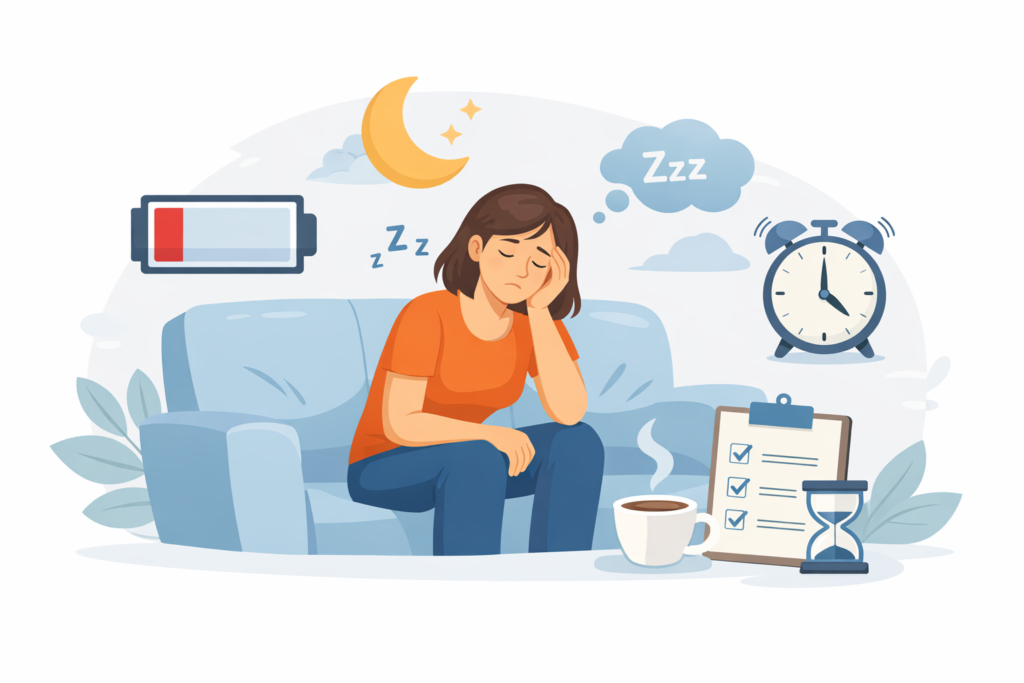
Understanding lymphatic drainage benefits could explain several symptoms you have been quietly dismissing. You wake up with a puffy face. Your legs feel heavier than usual by the end of the day. You are tired in a way that sleep does not fully explain. Your skin feels dull, and small infections seem to take longer to clear than they used to.
These complaints are common and easy to overlook. In many cases, though, they point to the same underlying system: the lymphatic system.
Lymphatic drainage has grown in popularity as a wellness topic in recent years, appearing in discussions about massage, skincare, and detoxing. Much of what circulates online, however, is exaggerated or inaccurate.
This guide explains what the lymphatic system actually does, what lymphatic drainage means in both medical and general wellness terms, and what the evidence says about supporting it.
What the lymphatic system is
The lymphatic system is a network of vessels, nodes, and organs running throughout the entire body. It works alongside the circulatory system but serves a distinct set of functions.
Its three primary roles are:
- maintaining fluid balance in the body’s tissues
- supporting immune function by transporting immune cells and filtering harmful substances
- absorbing dietary fats from the digestive system and delivering them into the bloodstream
The fluid moving through this system is called lymph. It collects excess fluid, waste products, bacteria, and dead cell material from the body’s tissues, then carries everything through lymphatic vessels toward the lymph nodes.
What lymph nodes do
Lymph nodes are small, bean-shaped structures located throughout the body, with clusters in the neck, armpits, groin, chest, and abdomen. They act as filtering stations.
As lymph fluid passes through them, immune cells inside the nodes identify and destroy bacteria, viruses, and abnormal cells. Lymph nodes often swell during an infection because immune activity in that node increases in response to a nearby threat.
After filtering, the body returns the cleaned fluid to the bloodstream through vessels near the heart.
Read more to understand whether sugar feeds cancer.
What happens when lymphatic drainage slows down
Unlike the blood circulatory system, the lymphatic system does not have a pump like the heart to keep fluid moving. Muscle movement, breathing, and body activity all drive lymph flow.
When movement becomes limited, or when lymphatic vessels sustain damage, fluid accumulates in the tissues. Doctors call this condition lymphoedema, and it causes noticeable swelling most commonly in the arms or legs.
Beyond clinical lymphoedema, many people experience milder signs that their lymphatic system may not move as efficiently as it should.
Common signs of sluggish lymph flow include:
- puffiness or swelling in the face, particularly in the morning
- heaviness or swelling in the limbs, especially after long periods of sitting or standing
- skin that looks dull, congested, or slow to recover from blemishes
- a tendency to feel bloated without obvious digestive cause
- fatigue that does not fully resolve with rest
- recurring mild infections or slow healing
- stiffness in the joints or body, particularly in the morning
These symptoms overlap with many other conditions. No single symptom confirms a lymphatic problem, but several occurring together are worth discussing with a healthcare professional.
What lymphatic drainage means and its benefits
Lymphatic drainage refers to techniques that support or stimulate the movement of lymph fluid through the body. Lymphatic drainage benefits vary depending on whether the approach is clinical or general wellness.
Manual lymphatic drainage as a medical therapy
Manual lymphatic drainage, or MLD, is a specialised massage technique Danish therapists Emil and Estrid Vodder developed in the 1930s. It uses precise, rhythmic, light-pressure movements applied in specific directions along the lymphatic pathways.
Doctors recommend MLD to treat lymphoedema, which often develops following cancer treatment, particularly after surgery removes or radiation damages lymph nodes. Therapists also use it after certain surgeries to reduce post-operative swelling and improve healing.
This clinical form of lymphatic drainage requires trained therapists and has evidence supporting its use for these specific conditions. It is not simply a relaxing massage. The technique, pressure, and direction of movement matter significantly.
Lymphatic drainage as a wellness practice
Outside the clinical setting, lymphatic drainage now connects to a broader range of wellness practices, including self-massage, facial rolling, dry brushing, and certain exercise routines.
Research supporting these practices is less strong than evidence for clinical MLD. However, most are safe, and the core idea — that gentle movement can support lymph flow — makes sense given that physical activity drives lymph movement.
Maintaining realistic expectations matters most here. These practices support general circulation and may reduce mild puffiness or improve the feeling of heaviness in the limbs. They do not treat medical conditions.
Evidence-supported lymphatic drainage benefits
The strongest evidence for lymphatic drainage benefits relates to clinical applications.
- Lymphoedema management — Manual lymphatic drainage, used alongside compression sleeves and exercise, forms a key part of treatment for lymphoedema following cancer treatment.
- Post-surgical swelling — Studies support its use after surgeries such as breast removal, fat removal, and joint replacement to reduce swelling and help recovery.
- Fibromyalgia — Some research suggests manual lymphatic drainage may reduce pain and improve daily life for people with fibromyalgia, possibly by lowering fluid pressure in the tissues and calming the nervous system.
- Poor blood flow in the legs — Evidence supports its use in managing the swelling and discomfort that comes with poor blood return in the legs.
For general wellness applications such as reducing facial puffiness, supporting skin health, or easing mild fatigue, research remains limited. However, most practices carry minimal risk when people perform them correctly.
For a deeper look at how inflammation connects to these conditions, read our article on Inflammation 101: How to Know if You Have It and What to Eat Next.
Simple ways to support lymphatic drainage benefits at home
Because the lymphatic system relies on movement to function, lifestyle habits directly shape how efficiently it operates.
Regular physical movement
Exercise is the single most effective way to support lymphatic flow. Muscle contractions compress the lymphatic vessels and push fluid along. Even gentle, consistent movement makes a significant difference.
Walking, swimming, yoga, and rebounding on a mini trampoline work particularly well because they engage large muscle groups through rhythmic movement — the most efficient way to stimulate lymph flow.
Deep breathing to enhance lymphatic drainage
The thoracic duct, the largest lymphatic vessel in the body, runs through the chest. Deep belly breathing creates pressure changes that actively pump lymph through this vessel.
Slow, deep breathing — where the belly rises rather than just the chest — is one of the simplest tools for supporting lymphatic movement. It requires no equipment and works anywhere.
Hydration
Lymph fluid largely consists of water. When the body faces dehydration, lymph becomes thicker and moves more slowly through its vessels. Drinking enough water throughout the day helps keep lymph thin and flowing well.
Plain water remains the most effective option. Herbal teas and water-rich foods such as cucumber, celery, and watermelon also contribute to overall hydration.
Self-massage techniques for lymphatic drainage
Simple self-massage at home can encourage lymph movement toward drainage points. Follow these key principles:
- use very light pressure, lighter than you would expect for a regular massage
- move in the direction of lymph flow, generally toward the heart and the nearest lymph node cluster
- use slow, rhythmic strokes rather than deep tissue pressure
- focus on areas prone to congestion such as the neck, armpits, and groin
Qualified lymphatic therapists offer guided tutorials for those who want to learn proper technique. Incorrect technique rarely causes harm in healthy people, but it may reduce effectiveness.
Dry brushing
Dry brushing involves using a firm-bristled brush on dry skin in upward strokes toward the heart before bathing. It is a simple way to support lymphatic drainage benefits at home by stimulating circulation near the skin’s surface.
Consistency matters more than frequency here. Use gentle pressure and avoid broken or sensitive skin.
Avoiding prolonged stillness
Long periods of sitting or standing without movement allow lymph fluid to pool in the lower limbs, contributing to the heaviness and swelling many people notice at the end of a working day.
Short movement breaks every 45 to 60 minutes, elevating the legs when resting, and wearing compression socks on long journeys all help maintain lymph flow during periods of reduced activity.
What lymphatic drainage cannot do
Wellness marketing around lymphatic drainage sometimes makes claims that go beyond what evidence supports. Here is what these practices cannot do.
- Lymphatic drainage does not detoxify the body. The liver and kidneys manage detoxification. The lymphatic system supports immune filtering, which is related but distinct.
- It does not cause significant weight loss. Any reduction in apparent size after lymphatic massage reflects reduced fluid retention, not fat loss.
- It does not cure chronic illness or replace medical treatment for diagnosed conditions.
- Self-massage and wellness practices are not equivalent to clinical manual lymphatic drainage for medical conditions such as lymphoedema.
These clarifications are not meant to dismiss the value of supporting lymphatic health. Rather, they help people make informed decisions about what they are doing and why.
The American Cancer Society’s guide on lymphoedema provides further clinical detail for anyone managing a diagnosis.
When to see a doctor about lymphatic drainage concerns
See a doctor if you notice:
- persistent swelling in one or both limbs that does not reduce with rest or elevation
- swelling that developed after cancer treatment, surgery, or radiation to the lymph nodes
- a painless lump or swelling in the neck, armpit, or groin present for more than two weeks
- repeated infections in a limb, particularly the skin infections known as cellulitis
- skin that has become thickened, hardened, or discoloured over a swollen area
These signs may indicate lymphoedema or another condition affecting the lymphatic system that needs proper medical care and expert treatment.
If you are also dealing with recurring infections or a weakened immune system alongside these symptoms, our article on How to Break a Fever in Adults Naturally covers related immune responses worth understanding.
Key Takeaways
- The lymphatic system maintains fluid balance, supports immunity, and transports dietary fats. Physical movement drives its function.
- Lymph nodes filter bacteria, viruses, and waste from lymph fluid, then return cleaned fluid to the bloodstream.
- Sluggish lymph flow contributes to puffiness, fatigue, heaviness in the limbs, and dull skin.
- Lymphatic drainage benefits include evidence-supported therapy for lymphoedema, post-surgical swelling, and certain other conditions.
- General wellness practices such as movement, deep breathing, hydration, self-massage, and dry brushing support lymph flow but do not treat medical conditions.
- Lymphatic drainage does not detoxify the body or cause fat loss. Claims beyond fluid balance and immune support lack strong evidence.
- Persistent limb swelling, lumps in lymph node areas, or swelling following cancer treatment always warrant a doctor’s assessment.
Conclusion
The lymphatic system quietly does some of the most important work in the body. It manages fluid, filters threats, and supports the immune response continuously in the background — without drawing attention to itself until something disrupts its flow.
Supporting it does not require expensive treatments or elaborate routines. Movement, hydration, deep breathing, and adequate rest give the lymphatic system the conditions it needs to function well.
For people managing a diagnosed lymphatic condition, working with a trained therapist and following a medically guided plan remains the most effective approach. Everyone else benefits from the same consistent daily habits that support overall health.
The lymphatic system rewards simple, consistent care. Understanding lymphatic drainage benefits does not require complexity — it just requires showing up for your body every day.
For more on how inflammation affects the lymphatic and immune system, read our article on Inflammation 101: How to Know if You Have It and What to Eat Next. You may also find our guide on Understanding Autoimmune Flare-Ups: Tracking Triggers and Reducing Relapses useful.
Medical Disclaimer: The information on this page is provided for educational and informational purposes only and is not intended as medical advice. It should not replace consultation with a qualified healthcare professional. For full details, please read our Disclaimer.