A morning headache is surprisingly common. Many people wonder, “Why Do I Wake Up With Headaches?” and seek explanations for this frustrating experience.
Many people go to bed feeling fine but wake up with a heavy head, pressure around the forehead, or a dull ache at the back of the head. Sometimes it improves after moving around or drinking water. Other times it lingers for hours.
When a headache appears before your day even begins, the cause is often not something you did that morning. It usually starts during the night while you were asleep.
In other words, a morning headache is usually a clue about what happened to your body overnight.
What it means inside the body
During sleep, your body is not inactive. Your brain is still working, your muscles remain slightly tense, and your breathing pattern changes.
Several things must stay balanced while you sleep:
- oxygen levels
- hydration
- muscle relaxation
- blood vessel pressure
- blood sugar levels
If one of these shifts too far, your brain’s pain-sensitive structures become irritated. The brain itself does not feel pain, but the tissues around it, blood vessels, muscles, and nerves do. That irritation is what you feel as a headache when you wake up.
So a morning headache is not random.
It usually means something overnight disturbed your body’s normal balance.
Common causes and risk factors
1. Teeth grinding (very common)
Many people clench or grind their teeth during sleep without knowing it. This tightens the jaw muscles for hours.
Typical clues:
- jaw soreness in the morning
- ear or temple pain
- sensitive teeth
- headaches around the temples
Your jaw muscles are some of the strongest in your body. When they stay tight all night, they pull on nearby head muscles and cause pain by morning.
2. Poor sleep position
Sleeping with the neck bent or unsupported strains the neck and shoulder muscles. Overnight muscle tension can produce a headache at the back of the head or neck.
Clues:
- stiff neck when you wake
- pain improves after stretching or hot shower
Often, the pillow, not the mattress, is the real problem.
3. Dehydration
You go 6–8 hours without drinking water while sleeping. If you already went to bed slightly dehydrated, your body loses more fluid overnight through breathing and sweating.
Your brain is sensitive to fluid balance. Even mild dehydration can cause:
- dull headache
- dry mouth
- fatigue
This type usually improves after drinking water.
Even mild dehydration can trigger headaches because the brain is sensitive to fluid balance. We explain this more fully in our guide on how hydration affects the body and why it influences headaches.
4. Poor sleep quality
Interrupted sleep affects brain chemicals involved in pain control.
Common triggers:
- late-night screen use
- irregular sleep schedule
- frequent awakenings
- insomnia
You may wake with a headache and still feel unrefreshed.
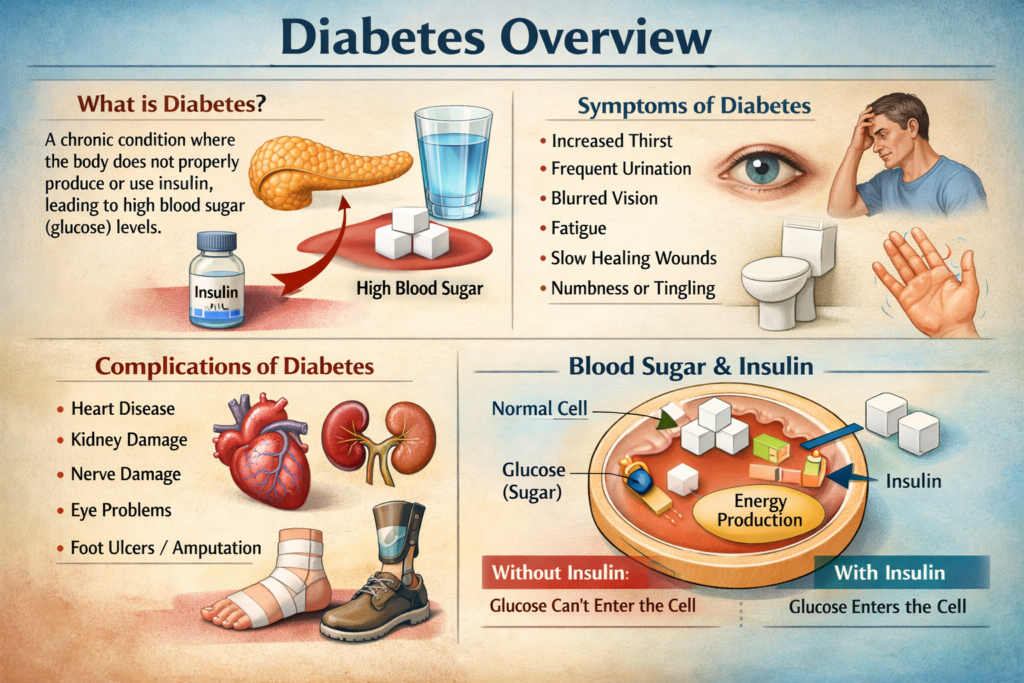
5. Low blood sugar overnight
If you ate very little dinner, skipped meals, drank alcohol, or have diabetes, your blood sugar may drop during the night.
Clues:
- headache with shakiness
- sweating during sleep
- waking very hungry
- symptoms improve after eating
6. Sleep apnea (important cause)
Sleep apnea is a condition in which breathing repeatedly pauses during sleep. Oxygen levels fall, and the brain briefly wakes the body to restart breathing, often without you remembering.
Typical signs:
- loud snoring
- choking or gasping during sleep
- dry mouth in the morning
- excessive daytime sleepiness
Morning headaches are one of its most common early symptoms.
7. Caffeine withdrawal
If you regularly drink coffee or tea and sleep long hours without it, your brain experiences withdrawal overnight.
Blood vessels widen slightly, which can cause a morning headache that improves after caffeine.
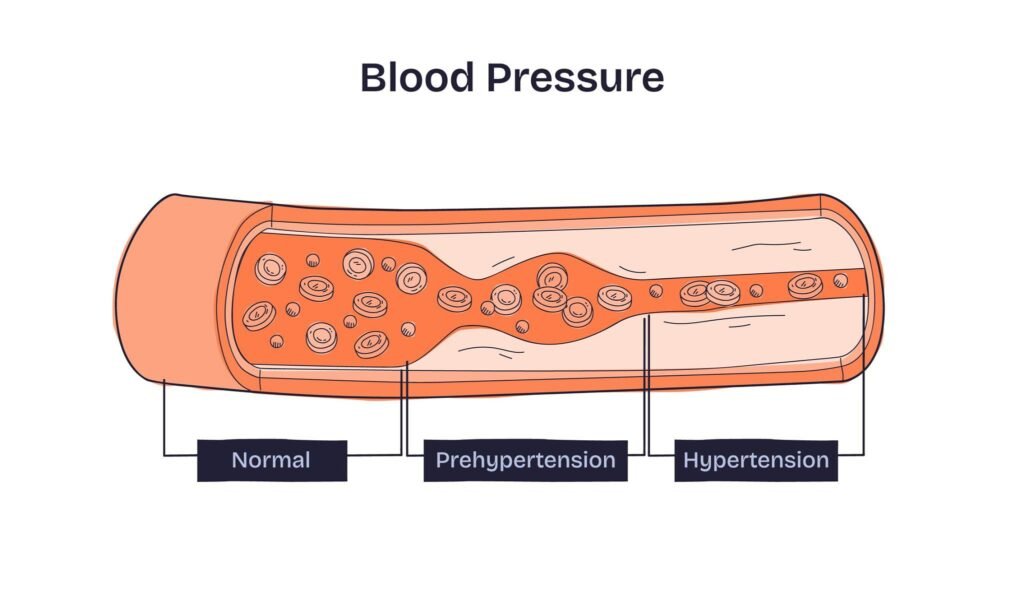
8. High blood pressure
Very high blood pressure can cause headaches, especially in the morning. However, most mild hypertension does not cause pain, so this is less common than people think.
Symptoms explained in everyday language
Different causes tend to produce different headache patterns:
- Tight band around the head → muscle tension or teeth grinding
- Back of head/neck pain → sleep posture
- Dull heavy head with dry mouth → dehydration
- Headache with extreme tiredness → sleep apnea
- Headache with shakiness or hunger → low blood sugar
Your body is often giving a clue through the type of headache.
When a person should see a doctor
Arrange a medical check if:
- headaches happen most mornings
- they are worsening over time
- you snore loudly or stop breathing during sleep
- you feel very sleepy during the day
- you have diabetes
- over-the-counter pain medicine is needed frequently
Seek urgent care if a headache:
- is sudden and severe
- comes with confusion
- affects speech or vision
- occurs with vomiting or weakness
How doctors diagnose it
Doctors usually begin with questions about:
- sleep habits
- snoring
- caffeine intake
- medications
- stress and jaw symptoms
They may check:
- blood pressure
- blood sugar
- sometimes a sleep study (for suspected sleep apnea)
Brain scans are not usually needed unless warning signs appear.
Treatment overview
Treatment depends on the cause.
Possible treatments include:
- mouth guards for teeth grinding
- pillow or sleep position changes
- hydration improvement
- sleep schedule adjustment
- treating sleep apnea
- managing blood sugar or blood pressure
Pain relievers alone help temporarily but do not fix the underlying problem.
Lifestyle and prevention tips
Helpful habits:
- drink water in the evening (but not excessive amounts right before bed)
- keep a consistent sleep time
- limit screens before sleep
- avoid heavy alcohol at night
- use a supportive pillow
- avoid going to bed extremely hungry
- reduce late caffeine intake
Small changes often stop recurring morning headaches.
Summary
Waking up with a headache does not usually mean a serious brain problem. Most morning headaches come from muscle tension, sleep disturbances, dehydration, or breathing changes during the night.
Think of it as a signal rather than a danger sign. Your body is telling you something about your sleep, hydration, or overnight balance needs attention. Once the cause is identified, the headaches are often very manageable and sometimes disappear completely.
Medical Disclaimer:
The information on this page is provided for educational and informational purposes only and is not intended as medical advice. It should not replace consultation with a qualified healthcare professional. For full details, please read our Disclaimer.