Many people first notice this in a worrying way: you wake up suddenly, your clothes are damp, your pillow feels wet, and the room is actually cool. Your first thought is often: “Why is my body doing this?”
This is called night sweating (or night sweats). It means your body released a large amount of sweat while you were asleep, more than what is needed to control normal body temperature.
Night sweating itself is not a disease. It is a signal. Your body was reacting to something happening internally while you slept.
Note: Most night sweats are caused by common, manageable conditions. But when they happen repeatedly, it is worth understanding why your body is sending that message.
What it means inside the body
Your brain controls temperature the way a thermostat controls a house. It constantly checks your body heat and adjusts to keep you stable.
- If you get too warm → sweat turns on to cool you
- If you get cold → sweating stops and heat is conserved
During sleep, your body normally cools down. This is part of how deep sleep works. So heavy sweating at night means the brain temporarily believed your body was overheating — even when the air around you was not hot.
Why would that happen?
Certain internal changes can “trick” the thermostat:
- hormone shifts
- your immune system fighting an infection
- a drop in blood sugar
- stress signals from the nervous system
This does not mean your body is failing. It means your temperature control system was reacting to a trigger inside your body rather than to the room temperature.
Common causes and risk factors
It helps to know that most night sweats come from everyday causes.
Very common causes
- heavy blankets or thick mattresses that trap heat
- stress, overthinking, or emotional tension before sleep
- alcohol at night
- spicy meals late in the evening
- recovering from a mild infection (malaria, flu, or viral illness)
- going to bed hungry and having low blood sugar during the night
Hormonal causes (very common, especially in adults over 40)
- menopause or perimenopause
- pregnancy
- thyroid overactivity (the body’s metabolism running too fast)
Other medical conditions
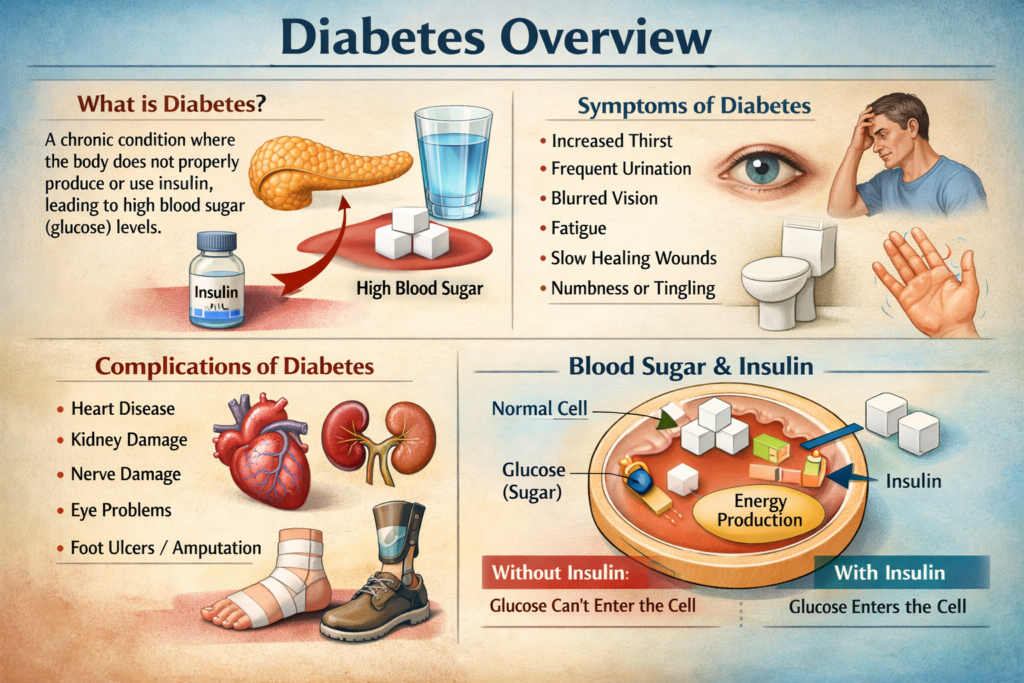
- diabetes (especially nighttime low sugar)
- acid reflux
- sleep apnea (brief pauses in breathing during sleep)
- medication side effects (antidepressants, pain medicines, steroids)
Less common causes
Certain infections such as tuberculosis, and rarely some serious illnesses, can also cause persistent drenching night sweats. However, these are uncommon and usually come with other clear symptoms, not sweating alone.
Symptoms of night sweating
Night sweats are more than just feeling warm.
You may notice:
- waking suddenly and confused
- clothes soaked enough to change them
- wet bedsheets or pillow
- sweating mainly on the chest, neck, or back
- feeling chilled afterward
- poor sleep and morning fatigue
Some people even check the fan or window because the room feels normal but their body behaved as if it was hot.
Other clues that may appear alongside:
- pounding heartbeat
- headaches
- vivid dreams
- frequent nighttime urination
- cough
- unexplained weight loss
The key sign is sweating heavy enough to disturb sleep, not mild warmth.
You may also want to read: Common Body Symptoms and What They Might Mean
When to see a doctor
An occasional episode is common and often harmless.
You should seek medical advice if:
- it happens most nights for about two weeks or longer
- you are losing weight without trying
- you have ongoing fever or chills during the day
- you have a persistent cough
- you feel unusually weak or exhausted
- you have diabetes
- you wake up repeatedly with a racing heart
Also go sooner if you notice:
- swollen glands in the neck, armpit, or groin
- chest pain
- breathing difficulty
Doctors look for patterns, not single isolated episodes. Repeated drenching sweating is what needs evaluation.
How doctors diagnose it
In many cases, diagnosis begins simply with conversation. Your description often provides the main clue.
The doctor may ask:
- when it started
- how often it happens
- whether you have fever, cough, or weight changes
- what medications you take
- your sleep habits
Then they will do a basic examination and may order simple tests such as:
- blood sugar test
- thyroid test
- malaria or infection tests
- occasionally a chest X-ray if cough is present
Most people do not need complicated procedures. The goal is just to identify the trigger.
Treatment overview
Doctors usually do not treat the sweating itself. They treat the cause behind it.
Examples:
- infection → treated appropriately
- hormonal changes → managed and stabilized
- low nighttime blood sugar → meal timing adjusted
- medication side effect → medication reviewed
- thyroid problems → controlled
The reassuring part: once the trigger is corrected, the night sweats usually stop.
Lifestyle and prevention tips
You can often reduce night sweating by helping your body’s temperature control stay stable during sleep.
Sleep environment
- Use lighter blankets
- Wear breathable cotton sleepwear
- Keep the room ventilated
(These prevent heat from being trapped around your body.)
Evening habits
- Avoid alcohol before bed (it temporarily raises body heat)
- Avoid spicy meals late at night (they stimulate heat signals)
- Do not go to sleep very hungry (prevents nighttime sugar drops)
Body regulation
- Create a calm pre-sleep routine (reduces stress hormone release)
- Keep a consistent sleep time
- Avoid heavy exercise right before bed (body heat remains elevated)
Final Thoughts
Night sweats in a cold room feel unsettling, but they are usually your body reacting to internal changes, not a sign that something is seriously wrong. Hormones, mild infections, stress, or blood sugar shifts are far more common causes than dangerous diseases.
What matters is persistence.
Occasional episodes are common. Repeated, soaking sweats should simply be checked so the cause can be identified and treated.
In most cases, once the underlying trigger is addressed, sleep returns to normal. Your body is not working against you, it is trying to regulate itself and asking for a little attention.
Medical Disclaimer:
The information on this page is provided for educational and informational purposes only and is not intended as medical advice. It should not replace consultation with a qualified healthcare professional. For full details, please read our Disclaimer.