Feeling short of breath while sitting quietly or lying down can be unsettling. Many people expect breathing difficulty only during exercise, so when it happens at rest, it quickly causes worry.
Shortness of breath, also called breathlessness, is the feeling that you cannot get enough air or must work harder to breathe. Some people describe it as chest tightness, air hunger, or the need to take deep breaths repeatedly.
Although it can feel serious, shortness of breath does not always mean lung disease or heart disease. In many cases, it has temporary or manageable causes. Understanding the possible reasons helps reduce fear and shows when medical evaluation is necessary.
If you have also noticed a racing heart, you may want to read:
Why Does My Heart Suddenly Start Beating Fast?
What Shortness of Breath Feels Like
People experience it differently. You may notice:
- needing to sigh often
- feeling unable to take a full breath
- chest tightness
- shallow breathing
- frequent yawning
- feeling worse at night
- relief after walking around
Sometimes oxygen levels are completely normal even though the sensation feels uncomfortable
Common Non-Dangerous Causes
1. Anxiety and Over-Breathing
One of the most frequent causes is anxiety. When you are stressed, your breathing pattern changes. You may start breathing faster or deeper without noticing. This is called hyperventilation.
Hyperventilation lowers carbon dioxide levels in the blood. This creates the sensation that you cannot get enough air, even though you actually have plenty of oxygen.
It often occurs together with:
- dizziness
- tingling in fingers
- a fast heartbeat
This explains why it commonly appears alongside the symptoms discussed in Why Do I Get Dizzy When I Stand Up?
2. Poor Posture
Sitting hunched over a phone or laptop compresses the chest and diaphragm. The lungs cannot expand fully, and breathing feels restricted. Many people feel relief simply by standing or stretching.
3. Acid Reflux
Stomach acid irritation can affect nerves in the chest and throat. This sometimes produces a sensation of not getting enough air, especially after meals or when lying down.
4. Deconditioning (Low Physical Fitness)
If your body is not used to activity, even small efforts can feel demanding. Your brain interprets the increased breathing effort as breathlessness.
5. Nasal Congestion
Blocked nasal passages force mouth breathing, which feels less satisfying and may cause repeated deep breaths.
Other Medical Causes
Sometimes shortness of breath signals a medical condition that should be evaluated.
Possible causes include:
- asthma
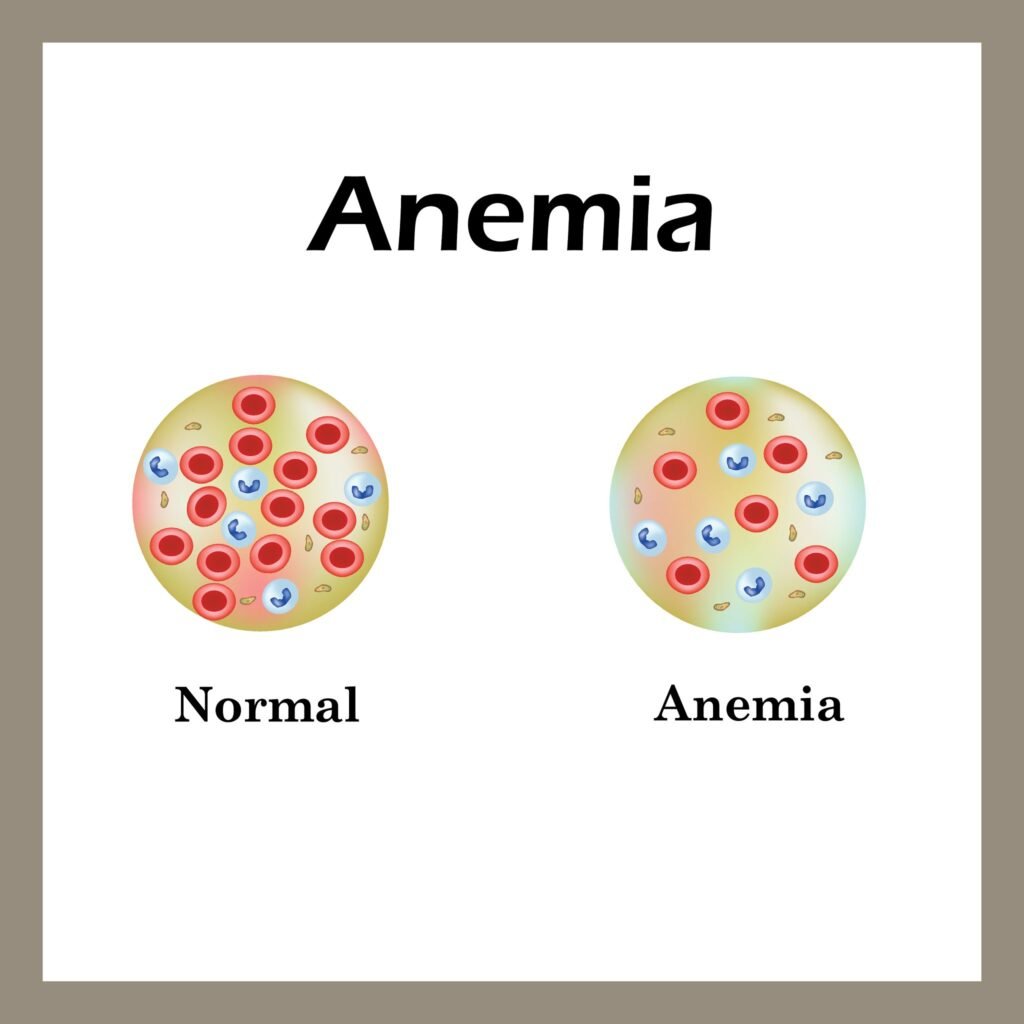
- anemia (low blood level)
- respiratory infection
- thyroid problems
- allergies
Treating the underlying condition usually improves breathing.
When It Could Be Heart-Related
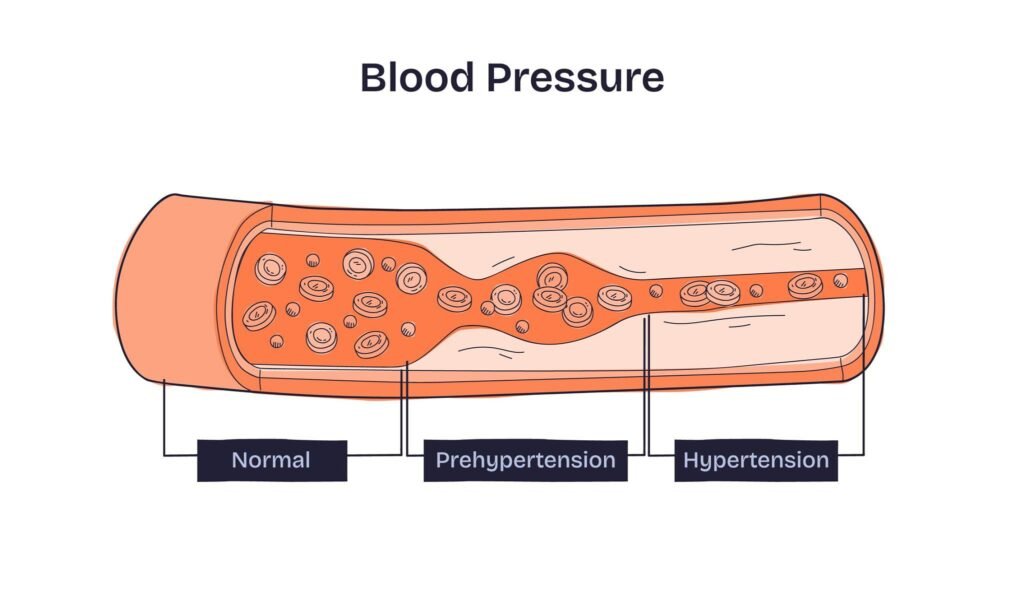
The heart and lungs work together. If the heart is not pumping efficiently, fluid or circulation changes can make breathing feel difficult.
Warning signs include:
- swelling of feet
- breathlessness while lying flat
- waking up gasping for air
- chest pressure
These symptoms should be checked promptly.
What You Can Do Immediately
If you suddenly feel breathless:
1. Sit upright
Avoid lying flat.
2. Slow your breathing
Try inhaling through your nose for 4 seconds and exhaling slowly through your mouth.
3. Relax your shoulders
Tension tightens chest muscles.
4. Drink water
Dehydration can worsen symptoms.
5. Step outside for fresh air
Sometimes stale indoor air worsens the sensation.
Often the breathing settles within a few minutes.
When to Seek Urgent Care
Go for immediate medical care if you experience:
- severe chest pain
- bluish lips or fingers
- fainting
- inability to speak full sentences
- sudden severe breathing difficulty
These require urgent evaluation.
When to See a Doctor
Arrange a medical visit if:
- symptoms occur repeatedly
- it wakes you from sleep
- you have ongoing fatigue
- you also feel a persistent fast heartbeat
- dizziness keeps happening
Doctors may perform a physical exam, blood tests, or a chest or heart check to rule out important causes.
Key Takeaways
- Shortness of breath, or breathlessness, can occur even at rest and feels alarming. However, it often has manageable causes.
- Common non-dangerous causes include anxiety, poor posture, acid reflux, low physical fitness, and nasal congestion.
- Some medical conditions like asthma or anemia may signal serious issues and require evaluation.
- Immediate relief strategies include sitting upright, controlling your breathing, relaxing your shoulders, drinking water, and getting fresh air.
- Seek urgent care for severe symptoms like chest pain or inability to speak, and consult a doctor for recurring or concerning breathlessness.
Final Thoughts
Shortness of breath at rest feels alarming, but many cases come from temporary body responses such as anxiety, posture, or reflux. Learning how your body reacts can reduce panic and help you respond calmly.
However, persistent or worsening breathlessness should never be ignored. Early evaluation helps detect treatable problems and provides reassurance when everything is normal.
Medical Disclaimer:
The information on this page is provided for educational and informational purposes only and is not intended as medical advice. It should not replace consultation with a qualified healthcare professional. For full details, please read our Disclaimer.