It can feel frightening when your heart suddenly starts racing for no clear reason, and this often leads people to wonder: Why Does My Heart Suddenly Start Beating Fast? Many people describe it as a pounding in the chest, a fluttering sensation, or a feeling that their heart is “jumping” or “skipping.” In some cases it lasts only a few seconds, while in others it may continue for several minutes.
Although the experience is uncomfortable, a fast heartbeat is not always dangerous. The heart naturally changes speed throughout the day depending on what your body needs. The important thing is understanding why it happens and when it should be checked.
If you are unsure how different body sensations connect, you may also find it helpful to read our overview:
Common Body Symptoms and What They Might Mean.
What Is a Fast Heartbeat?
A fast heartbeat is often called palpitations. Normally, a resting adult heart beats about 60–100 times per minute. When your heart suddenly speeds up or you become unusually aware of it beating, you notice the sensation more than usual.
You may feel:
- pounding in the chest
- fluttering
- skipped beats
- a racing pulse
- throbbing in the neck or throat
Palpitations can occur at rest, while lying down, after eating, or even during sleep.
Common Harmless Causes
Most sudden fast heartbeats are triggered by everyday factors rather than disease. The body’s nervous system constantly adjusts heart rate in response to emotions, activity, and hormones.
1. Anxiety or Stress
One of the most common causes is stress. When you feel anxious, your body releases adrenaline. This activates the “fight-or-flight” response and your heart beats faster to prepare your body for action.
Sometimes this happens even when you are sitting quietly. Your mind may feel calm, but your body is still reacting internally.
2. Caffeine and Stimulants
Coffee, strong tea, energy drinks, and certain medications can stimulate the heart. Caffeine makes the heart muscle more sensitive to adrenaline, which can cause sudden pounding or fluttering.
3. Lack of Sleep
Poor sleep affects the nervous system. When your body is tired, it becomes more reactive, and palpitations may occur, especially at night.
4. Dehydration
Not drinking enough water reduces blood volume. Your heart then beats faster to circulate blood efficiently. This is a very common cause people overlook.
5. Low Blood Sugar
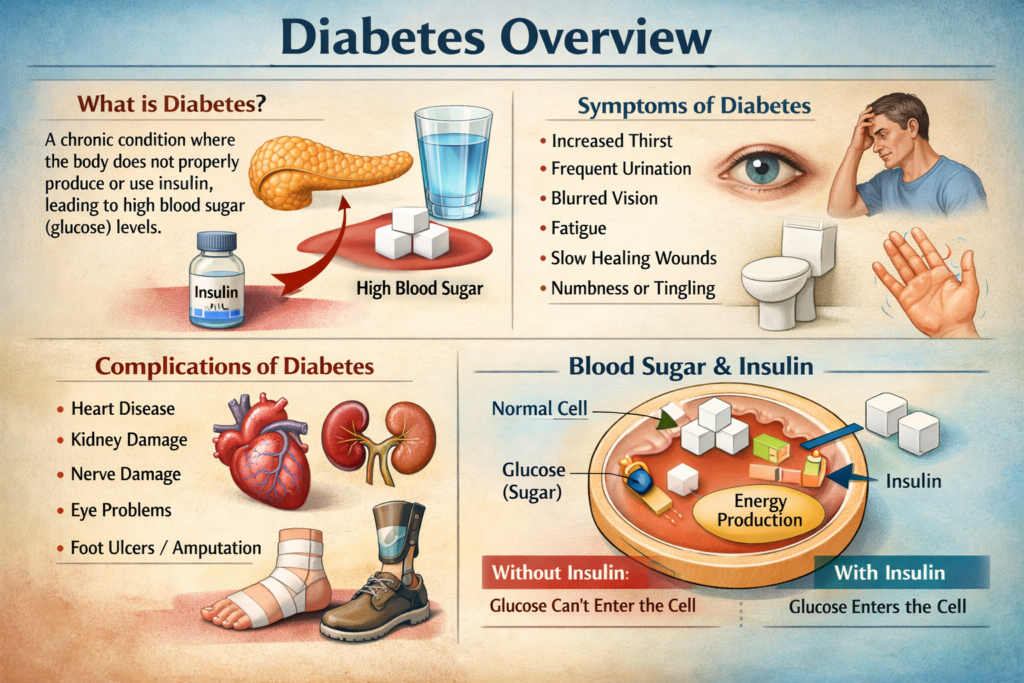
Going long hours without eating can trigger a rapid heartbeat, shakiness, sweating, and dizziness.
6. Sudden Position Changes
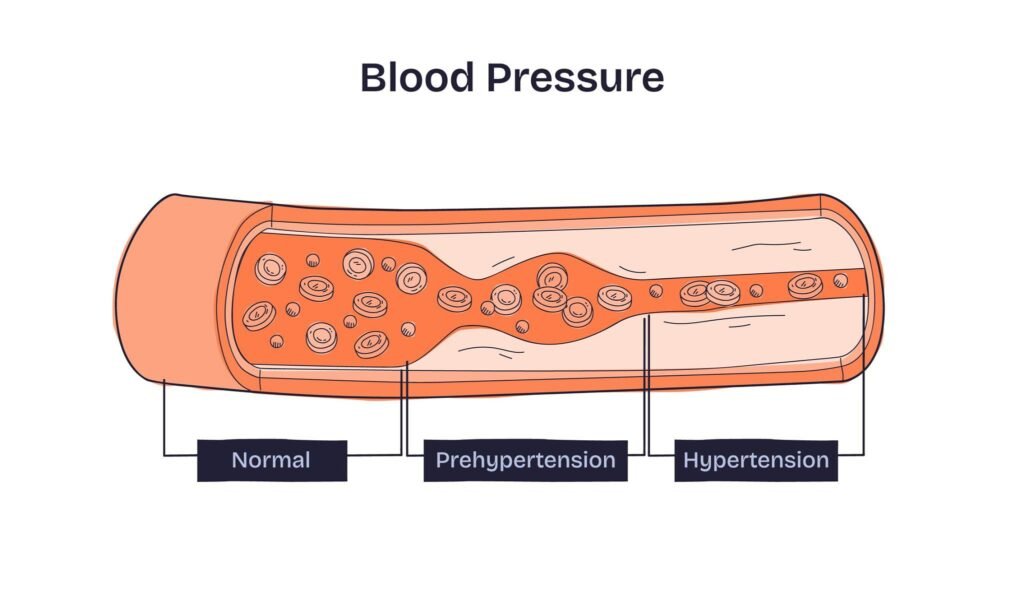
Standing up quickly may temporarily change blood pressure and heart rate. If this happens along with lightheadedness, it relates closely to the condition discussed in Why Do I Get Dizzy When I Stand Up?
Other Possible Causes
Sometimes palpitations come from body conditions that are not immediately dangerous but still need attention.
These include:
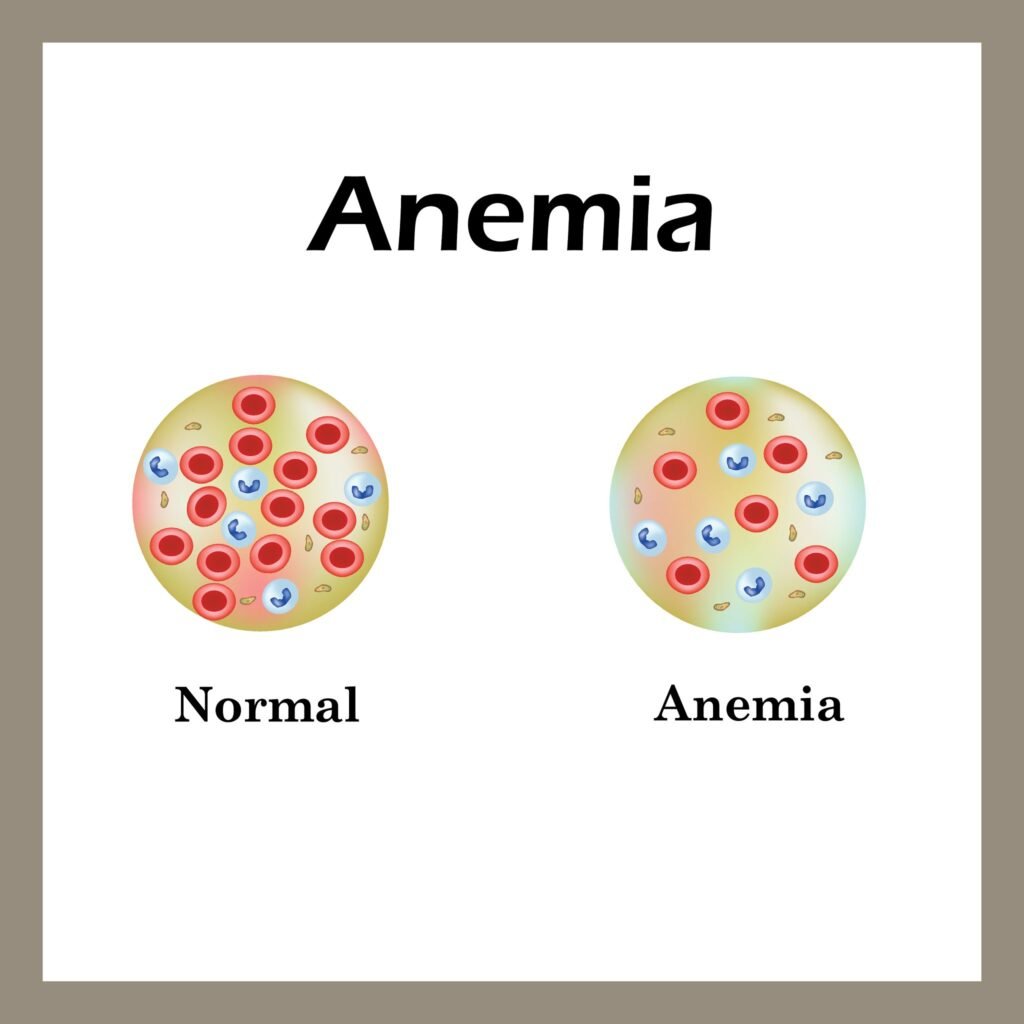
- anemia (low blood level)
- fever
- thyroid hormone imbalance
- hormonal changes
- certain medications
- infections
When these are treated, the palpitations usually improve.
When It May Be a Medical Problem
Occasionally a fast heartbeat can be caused by a heart rhythm disturbance. These are less common but important to recognize.
Seek medical attention if you notice:
- chest pain
- fainting or near fainting
- severe shortness of breath
- dizziness that doesn’t improve
- sweating with weakness
- a heartbeat that remains very fast for more than 20–30 minutes at rest
These symptoms do not automatically mean a serious condition, but they should be evaluated promptly.
What You Can Do When It Happens
If your heart suddenly starts racing, try the following:
1. Sit and breathe slowly
Slow, deep breathing helps calm the nervous system.
2. Drink water
Dehydration is a very common trigger.
3. Avoid panic
Fear increases adrenaline, which makes the heart beat even faster.
4. Check recent triggers
Think about caffeine, poor sleep, stress, or hunger.
Often the heartbeat returns to normal within a few minutes.
How Doctors Evaluate It
If palpitations happen often, a doctor may:
- check your pulse and blood pressure
- request a blood test
- order an ECG (heart tracing)
- monitor your heart rhythm for 24 hours
Many times the results are normal, which reassures patients and confirms a non-dangerous cause.
When to Seek Medical Advice
Make an appointment if:
- it happens frequently
- it wakes you from sleep often
- it is getting worse
- you have a history of anemia or thyroid problems
- it occurs together with ongoing dizziness
Immediate care is needed if it is accompanied by severe symptoms such as fainting or chest pressure.
Key Takeaways
- A fast heartbeat, or palpitations, can occur due to stress, caffeine, lack of sleep, dehydration, and low blood sugar.
- While many causes are harmless, certain symptoms like chest pain or fainting may indicate a medical problem.
- You can calm a racing heart by sitting, breathing slowly, staying hydrated, and avoiding panic.
- Doctors evaluate frequent palpitations through pulse checks, blood tests, ECGs, and heart rhythm monitoring.
- Persistent or severe episodes should not be ignored, and it’s important to seek medical advice when necessary.
Final Thoughts
A sudden, fast heartbeat feels alarming, but in many cases, it is the body reacting to stress, fatigue, dehydration, or stimulants. Having knowledge of the triggers can reduce anxiety and help you respond calmly.
However, persistent or severe episodes should not be ignored. Listening to your body and seeking evaluation when necessary is the safest approach.
Medical Disclaimer:
The information on this page is provided for educational and informational purposes only and is not intended as medical advice. It should not replace consultation with a qualified healthcare professional. For full details, please read our Disclaimer.