Many people experience a brief spinning or lightheaded feeling when they stand up quickly from sitting or lying down. If you have ever wondered, Why Do I Get Dizzy When I Stand Up?, you’re not alone. It can feel alarming, especially if your vision dims for a moment or you feel like you might faint. In most cases, this sensation is temporary and harmless, but sometimes it can signal an underlying health issue.
What Actually Happens in Your Body
Your body works constantly to keep blood flowing to your brain. When you are lying down or sitting, gravity distributes blood evenly. The moment you stand up, gravity suddenly pulls blood toward your legs and lower body.
Your brain briefly receives less blood and less oxygen for a few seconds.
This short drop is what causes:
- lightheadedness
- blurred or dim vision
- feeling unsteady
- mild nausea
Normally, your nervous system quickly reacts by:
- tightening blood vessels
- increasing heart rate
- restoring blood flow to the brain
When this adjustment happens slowly, you feel dizzy.
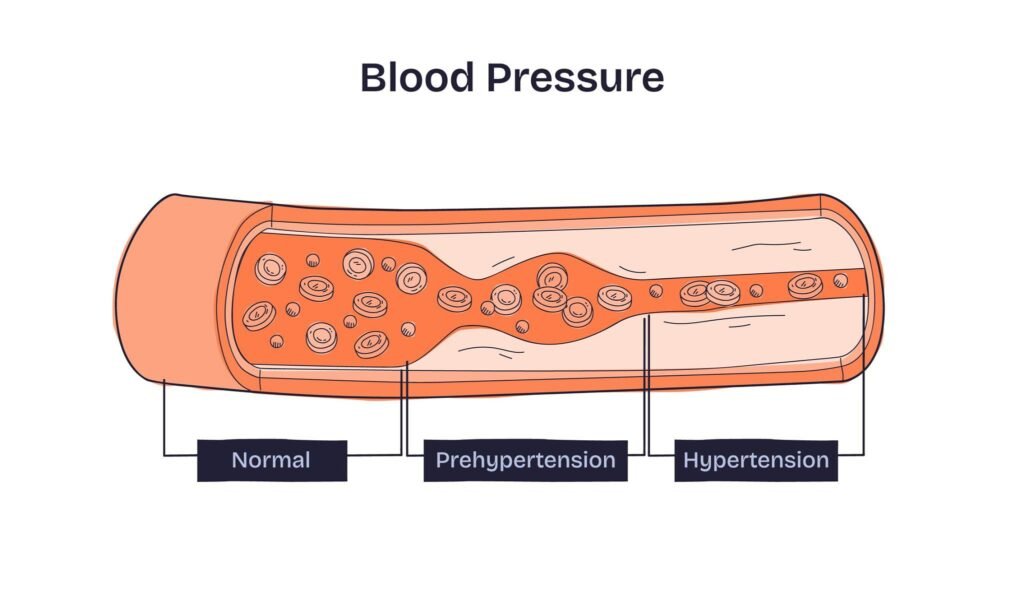
The Most Common Cause: Orthostatic Hypotension
The medical name for this is orthostatic hypotension.
It simply means:
a temporary drop in blood pressure when standing up.
It is actually very common and many healthy people experience it occasionally.
You are more likely to notice it when:
- you stand up suddenly
- you wake up in the morning
- you have been sitting for a long time
- you stand after bending down
Other Common Causes
1. Dehydration
Not drinking enough fluids lowers your blood volume.
Less blood circulating = less blood reaching the brain quickly when you stand.
You may also notice:
- dry mouth
- fatigue
- dark yellow urine
- headache
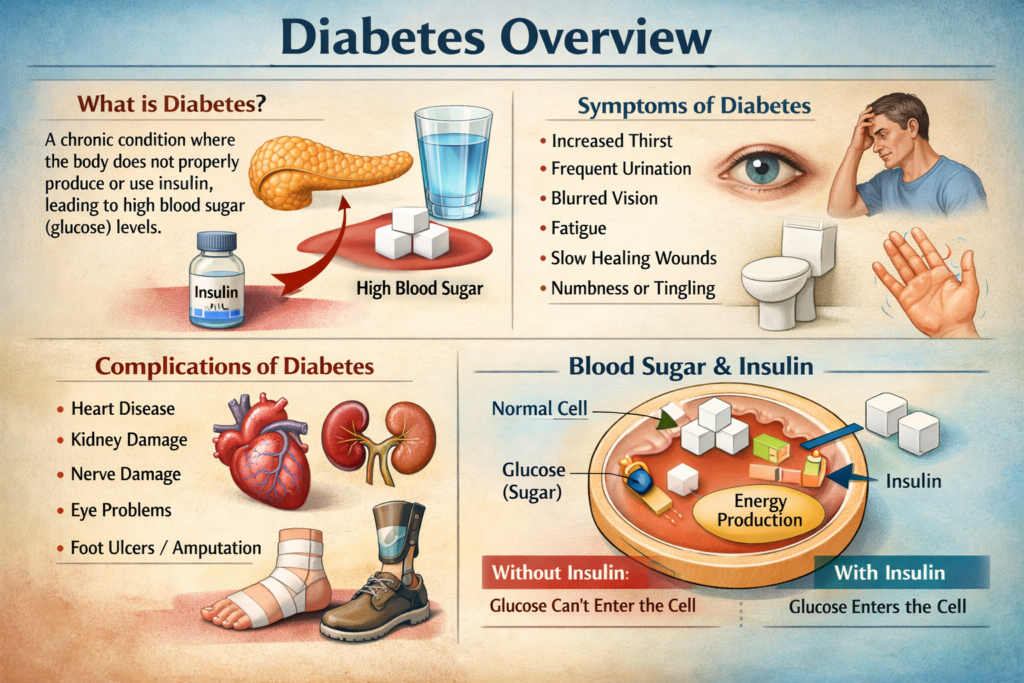
2. Low Blood Sugar
If you have not eaten for many hours, your body lacks fuel.
Your brain is especially sensitive to low glucose levels.
Symptoms often include:
- shakiness
- sweating
- weakness
- sudden hunger
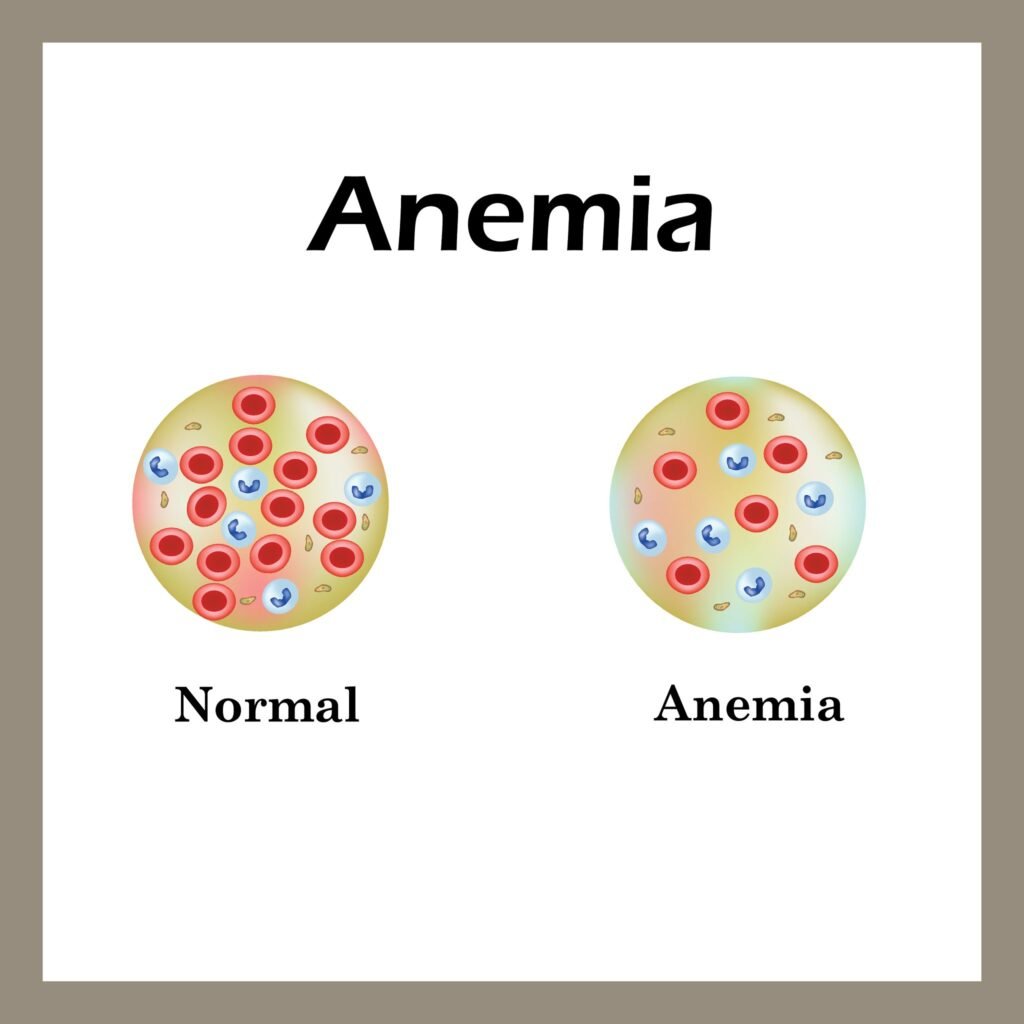
3. Anemia (Low Iron)
When your body lacks enough red blood cells, oxygen delivery to the brain decreases.
This can cause:
- frequent dizziness
- fatigue
- shortness of breath
- pale skin
4. Medications
Some medicines lower blood pressure, including:
- blood pressure drugs
- diuretics
- some antidepressants
5. Prolonged Bed Rest
After illness or inactivity, your body’s circulation reflex becomes weaker temporarily. Standing up then feels harder for your system to adjust.
When It Is Usually Harmless
Occasional dizziness when standing is usually not dangerous if:
- it lasts only a few seconds
- it improves quickly
- you never actually faint
- it happens only sometimes
Many teenagers and young adults experience this because their bodies are still adjusting blood pressure efficiently.
Warning Signs You Should Not Ignore
Seek medical care if dizziness:
- causes fainting
- happens very frequently
- occurs with chest pain
- happens with shortness of breath
- causes confusion
- occurs with severe headache
- happens after a head injury
These may indicate a heart, neurological, or circulation problem.
What You Can Do to Prevent It
Simple daily habits help significantly:
1. Stand up slowly
Move in stages: lying → sitting → standing.
2. Drink more water
Especially in hot weather.
3. Eat regularly
Avoid long fasting periods.
4. Avoid sudden position changes
Particularly in the morning.
5. Slightly tense your leg muscles before standing
This helps push blood back toward your brain.
When to See a Doctor
You should consider medical evaluation if:
- dizziness is worsening
- you fall or faint
- it interferes with daily activities
- you have other symptoms like palpitations or persistent fatigue
Doctors may check:
- blood pressure
- blood sugar
- hemoglobin level
- heart rhythm
Key Takeaways
- Dizziness when standing up occurs due to a temporary drop in blood flow to the brain, commonly known as orthostatic hypotension.
- Common causes include dehydration, low blood sugar, anemia, medications, and prolonged bed rest.
- Occasional dizziness is generally harmless if it lasts only a few seconds and improves quickly, but frequent episodes require medical attention.
- Seek help if dizziness is accompanied by fainting, chest pain, or confusion, as these may indicate serious issues.
- Prevent dizziness by standing up slowly, staying hydrated, eating regularly, and avoiding sudden position changes.
Final Thoughts
Feeling dizzy when standing up is very common and often related to temporary blood pressure adjustment. While it can feel frightening, it is usually manageable with hydration, regular meals, and slower movements. However, persistent or severe symptoms should always be evaluated to rule out underlying conditions.
Medical Disclaimer:
The information on this page is provided for educational and informational purposes only and is not intended as medical advice. It should not replace consultation with a qualified healthcare professional. For full details, please read our Disclaimer.