Have you ever noticed a strange sensation in your body and immediately felt worried? Many of us experience common body symptoms that can cause concern or curiosity.
Maybe your heart suddenly started beating fast.
Maybe you stood up and the room spun.
or Maybe you felt pressure in your chest or a strange tiredness you couldn’t explain.
Most people have experienced at least one of these moments. The body can sometimes send signals that feel frightening, especially when they appear without warning. However, not every symptom means something dangerous. In fact, many body sensations are very common and often linked to normal body responses, lifestyle habits, or temporary imbalances.
This guide explains some of the most frequent body symptoms people experience, what they often mean, and when they should not be ignored.
Why the Body Produces Symptoms
Your body constantly works to maintain balance. Doctors often call this internal balance homeostasis. Your brain, nerves, hormones, heart, and organs communicate every second.
When something changes, sleep, hydration, stress, blood sugar, posture, breathing, or infection , your body sends a signal.
That signal is what you feel as a symptom.
Symptoms are not always illness.
Sometimes they are simply warnings, adjustments, or reactions.
Having an understanding of this helps remove unnecessary fear and helps you recognize when a real problem may exist.
Fatigue and Unusual Tiredness
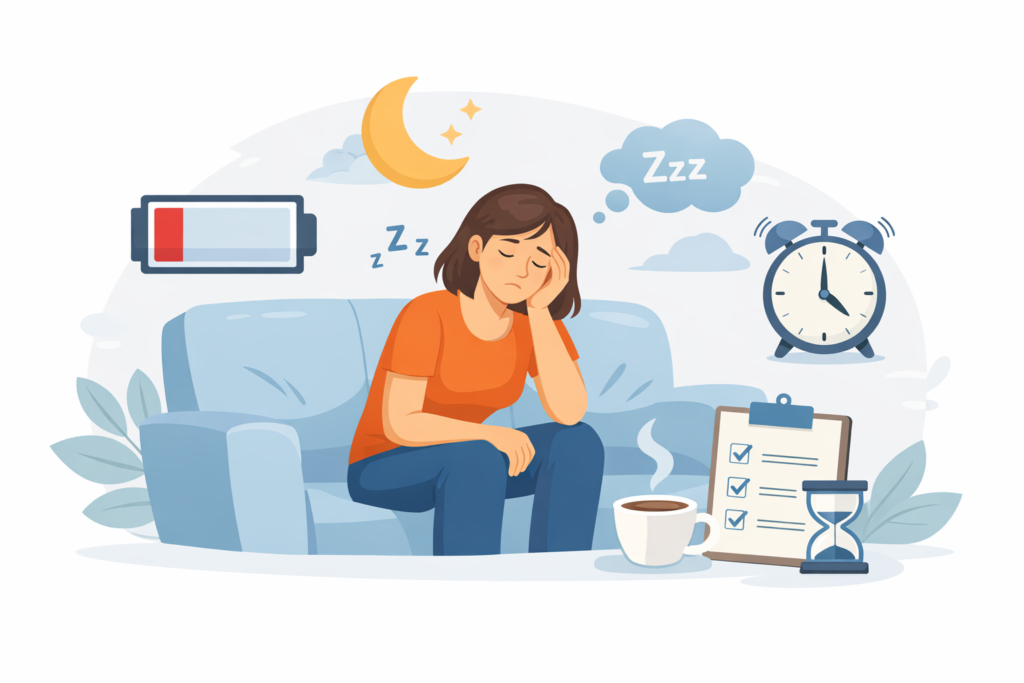
Feeling tired after a long day is normal. But sometimes fatigue appears even after rest.
Many people describe it as:
- heaviness in the body
- low energy
- mental fog
- lack of motivation
Common harmless causes include:
- poor sleep quality
- dehydration
- irregular eating
- emotional stress
- long screen time
- low physical activity
Another frequent cause is drops in blood sugar. When your body does not receive steady fuel, your brain reacts quickly. You may feel weak, shaky, or sleepy.
You can learn more about this in Low Blood Sugar.
When to seek medical advice
- fatigue lasting several weeks
- fatigue with weight loss
- fatigue with fever
- fatigue affecting daily life
Dizziness or Feeling Lightheaded
Dizziness is one of the most common symptoms reported worldwide. It may feel like:
- the room spinning
- floating sensation
- imbalance
- feeling close to fainting
Very often, dizziness is caused by simple things:
- standing up too fast
- dehydration
- anxiety
- low blood pressure
- hunger
Your brain depends heavily on oxygen and blood flow. Even a brief change in circulation can create dizziness.
For a full explanation, see Dizziness and Lightheadedness.
Seek help if dizziness comes with:
- fainting
- chest pain
- slurred speech
- severe headache
- weakness on one side of the body
Headaches
Almost everyone experiences headaches at some point. They can range from mild pressure to severe throbbing pain.
Typical causes:
- stress
- eye strain
- dehydration
- muscle tension
- poor posture
- skipped meals
Headaches are often linked to tension in the neck and scalp muscles. Sitting long hours, phone use, and lack of sleep can trigger them.
More details are explained in Headaches.
Urgent attention is needed if:
- sudden severe headache (“worst ever”)
- headache after injury
- headache with vomiting or confusion
- vision changes
Shortness of Breath
Breathing awareness can be frightening. Many people feel they cannot take a satisfying deep breath even when oxygen levels are normal.
Common non-dangerous causes:
- anxiety
- panic episodes
- poor posture
- nasal congestion
- lack of exercise
When anxious, your breathing pattern changes. The brain interprets it as danger even when the lungs are healthy.
Read more in Shortness of Breath.
Seek urgent care if:
- breathing difficulty at rest
- bluish lips
- chest pressure
- fainting
Chest Tightness or Burning Sensation
Chest sensations create immediate fear because people associate them with the heart. But many chest feelings are actually digestive or muscular.
Very common causes:
- acid reflux
- trapped gas
- muscle strain
- anxiety
Acid from the stomach can move upward and irritate the esophagus, creating a burning feeling often mistaken for heart problems.
See Heartburn and Acid Reflux for explanation.
Immediate help is needed if:
- chest pain spreads to arm or jaw
- sweating and nausea occur
- breathing difficulty accompanies pain
Numbness, Tingling, or “Pins and Needles”
People often notice tingling in hands, feet, or legs. It usually feels like tiny electric shocks or ants crawling on the skin.
Most cases happen because of temporary nerve pressure:
- sleeping on an arm
- sitting too long
- poor posture
- tight clothing
The nerve briefly loses proper blood flow and then recovers.
Medical attention needed if:
- numbness persists
- weakness appears
- speech or vision changes occur
Stomach Discomfort and Nausea
The digestive system reacts quickly to both food and emotions. Many people notice stomach upset during stress.
Common harmless triggers:
- overeating
- spicy or fatty foods
- anxiety
- irregular meals
- lack of sleep
Your brain and gut communicate closely. Emotional stress can slow digestion and cause nausea even without infection.
More explanation is in Digestive Problems.
Seek help if:
- persistent vomiting
- dehydration
- blood in stool
- severe abdominal pain
Palpitations (Feeling Your Heartbeat)
Some people suddenly feel their heartbeat strongly in their chest, neck, or throat. This often causes panic.
Frequent harmless causes:
- caffeine
- anxiety
- dehydration
- poor sleep
- hunger
The heart naturally speeds up during stress or excitement. Being aware of it makes it feel abnormal.
See a doctor if:
- fainting occurs
- heartbeat becomes irregular
- chest pain appears
When Symptoms Are Usually Harmless
Symptoms are commonly temporary when they:
- come and go
- improve with rest
- relate to hunger or stress
- improve after hydration
- happen during anxiety
The body often corrects itself once balance returns.
When Symptoms Should Not Be Ignored
Seek medical evaluation if symptoms:
- are persistent
- worsen over time
- interfere with daily life
- appear suddenly and severely
- occur with fever, confusion, fainting, or severe pain
Your body rarely stays silent during serious illness. Repeated warning signs deserve attention.
Simple Ways to Support Your Body Daily
Many everyday symptoms improve with basic habits:
- drink water regularly
- eat balanced meals
- sleep consistently
- reduce caffeine
- take movement breaks
- manage stress
- maintain posture
- avoid skipping meals
Small lifestyle patterns often affect the body more than people realize.
Keywords
Body sensations can feel alarming, but they are often messages rather than emergencies. Learning how to interpret them helps reduce fear and helps you know when to act.
Your body communicates constantly.
Listening calmly, instead of immediately assuming the worst allows you to respond wisely.
If something feels persistent, unusual, or severe, it is always appropriate to seek professional medical advice. Early attention brings reassurance and, when necessary, early treatment.