Energy is something people often wish they had more of, yet many don’t realize how closely it is tied to everyday eating habits. Nutrition and energy levels are deeply connected, and when energy dips, it’s easy to blame stress, lack of sleep, or a busy schedule. While these factors matter, nutrition quietly plays a central role in how energized or drained the body feels throughout the day.
Food is more than fuel in a simple sense. The type of foods eaten, how often meals are consumed, and how balanced those meals are all influence blood sugar stability, brain function, muscle performance, and overall stamina.
What It Is
Energy levels refer to how physically and mentally alert a person feels throughout the day. This includes the ability to concentrate, stay active, manage emotions, and complete daily tasks without excessive fatigue.
Nutrition influences energy by supplying the body with macronutrients, carbohydrates, proteins, and fats, which are converted into usable energy. It also provides micronutrients, such as vitamins and minerals, that support metabolic processes, oxygen delivery, and nervous system function.
When nutrition is balanced and consistent, energy tends to feel steadier. When nutrition is irregular or unbalanced, energy levels may rise and fall sharply, leading to fatigue, sluggishness, or sudden crashes.
Common Causes or Risk Factors for Low Energy Related to Nutrition
Low energy linked to nutrition often develops gradually and may not be immediately obvious. Common contributors may include:
- Skipping meals, leading to drops in available energy
- Irregular eating patterns, causing blood sugar fluctuations
- Low intake of nutrient-dense foods, reducing metabolic efficiency
- Over-reliance on refined or highly processed foods, which may provide quick energy followed by crashes
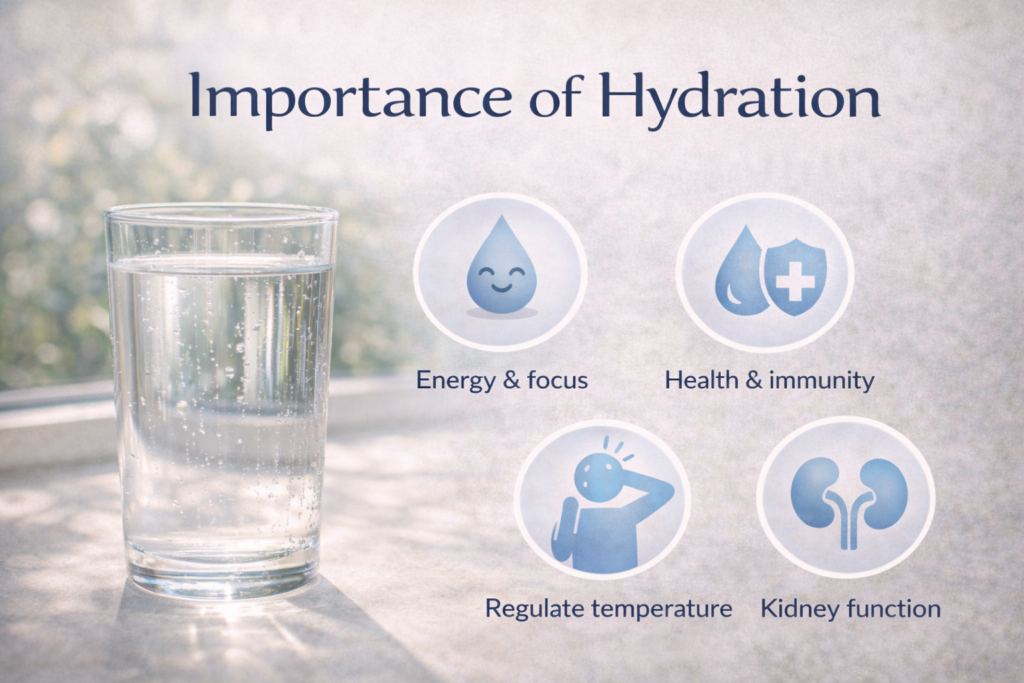
- Inadequate hydration, affecting circulation and cellular function
- Digestive difficulties, which may limit nutrient absorption
- Chronic stress, which can alter appetite and nutrient needs
Energy issues are rarely caused by one food or one meal; they usually reflect overall eating patterns over time.
Signs and Symptoms
When nutrition is not adequately supporting energy needs, the body may send repeated signals. Common signs and symptoms may include:
- Persistent fatigue, even after rest
- Midday energy crashes
- Difficulty concentrating or mental fog
- Irritability or low motivation
- Feeling weak or lightheaded between meals
- Strong cravings for sugary or caffeinated foods
- Reduced stamina during physical activity
These symptoms often improve when eating patterns become more balanced and consistent.
How Energy Balance Is Evaluated
Energy-related nutritional balance is typically evaluated by reviewing eating habits, meal timing, food variety, hydration, and lifestyle factors. Healthcare professionals may ask about daily routines, energy highs and lows, and how food choices affect alertness and mood.
Rather than focusing on calorie counts, evaluation often centers on patterns, such as long gaps between meals, limited food diversity, or frequent reliance on quick-energy foods.
General Management and Care
Supporting stable energy through nutrition focuses on consistency, balance, and quality. At a high level, this may include:
- Eating regular meals and snacks, to maintain steady energy availability
- Including complex carbohydrates, which provide longer-lasting fuel
- Pairing carbohydrates with protein and healthy fats, supporting sustained energy
- Ensuring adequate hydration, which supports nutrient transport
- Including a variety of whole foods, supplying essential vitamins and minerals
- Adjusting intake based on activity levels, stress, and daily demands
These approaches work best when integrated into everyday routines rather than treated as short-term solutions.
Prevention or Risk Reduction
While energy dips are sometimes unavoidable, certain habits may help reduce frequent fatigue. These may include:
- Avoiding long gaps between meals
- Planning balanced meals ahead of busy days
- Listening to hunger and fullness cues
- Supporting digestion through regular routines
- Balancing nutrition with adequate sleep
Prevention focuses on predictability and nourishment rather than restriction.
When to See a Healthcare Professional
It may be helpful to seek professional guidance if low energy persists despite adequate rest and consistent eating habits, or if fatigue interferes with daily activities, work, or physical movement.
Evaluation is also important if low energy is accompanied by unexplained weight changes, dizziness, digestive issues, or mood shifts.
Key Takeaways
- Nutrition significantly influences energy levels, affecting alertness, stamina, and overall well-being.
- Skipping meals, irregular eating, and reliance on processed foods can lead to low energy.
- Signs of inadequate nutrition include fatigue, midday crashes, and difficulty concentrating.
- To maintain energy, focus on balanced meals, hydration, and diverse whole foods.
- Consult a healthcare professional if fatigue persists despite proper nutrition and rest.
Medical Disclaimer:
The information on this page is provided for educational and informational purposes only and is not intended as medical advice. It should not replace consultation with a qualified healthcare professional. For full details, please read our Disclaimer.