Healthy living is often imagined as a big transformation, but in reality, it’s built on small, daily habits. The choices people make each day, how they move, eat, rest, and manage stress, quietly shape energy levels, mood, and long-term well-being.
Healthy habits don’t need to be perfect or rigid to be effective. When habits are realistic and repeatable, they become part of everyday life rather than something that feels forced.
What It Is
Healthy habits are regular behaviors that support physical, mental, and emotional well-being. These habits influence how the body functions, how stress is handled, and how energy is sustained throughout the day.
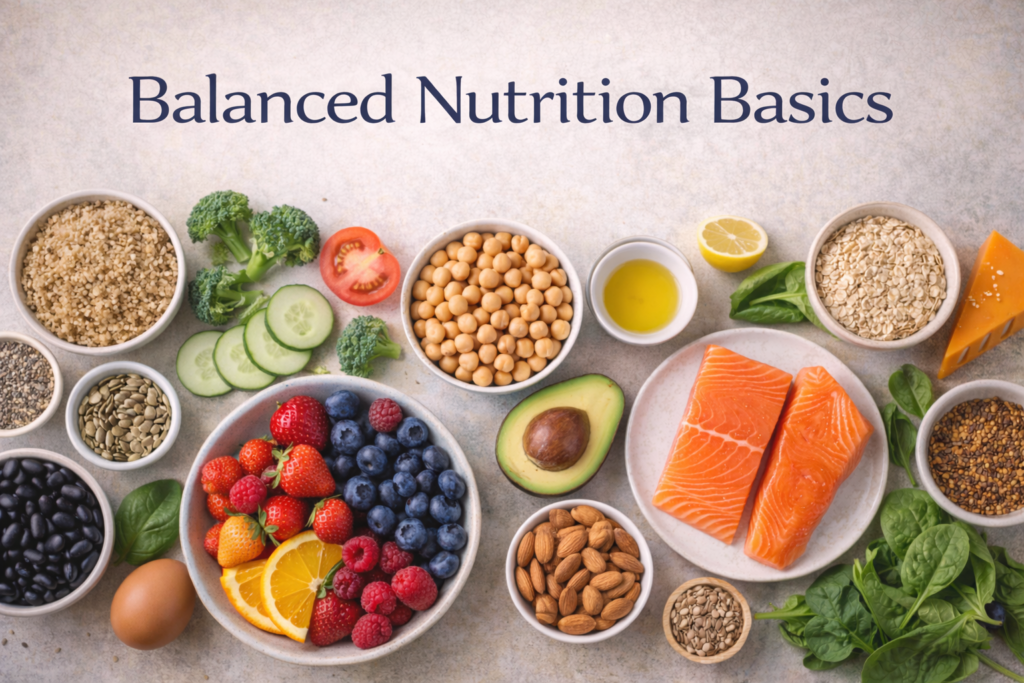
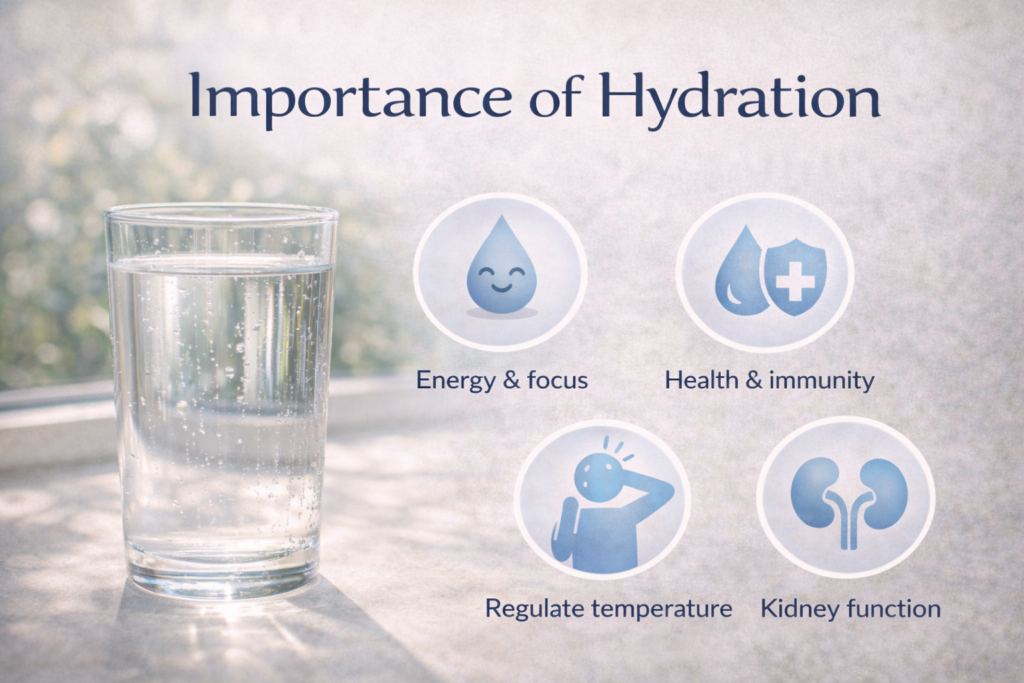
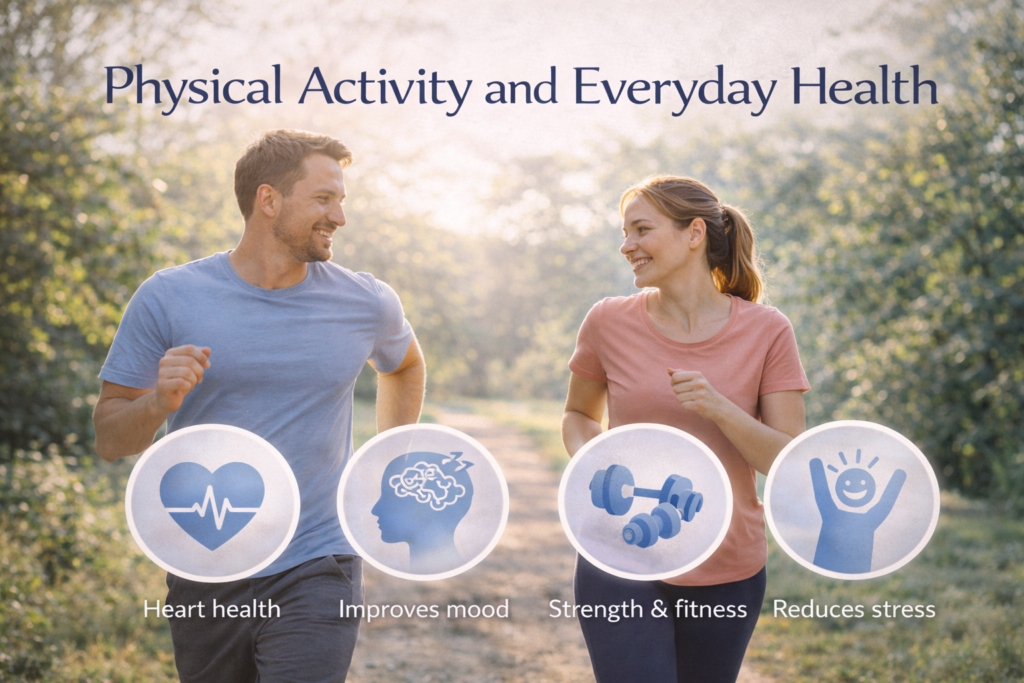
Daily habits can include simple actions such as eating regular meals, staying hydrated, moving the body, getting enough sleep, and taking breaks to rest or reset. Over time, these small actions add up and shape overall health.
Healthy habits are personal. What works well for one person may look different for another depending on lifestyle, responsibilities, and health needs.
Common Barriers to Healthy Habits
Many people struggle to maintain healthy habits, not because they lack motivation, but because of real-life challenges. Common barriers may include:
- Busy schedules, leaving little time for self-care
- Fatigue, making healthy choices feel harder
- Stress or emotional overload, affecting consistency
- All-or-nothing thinking, where missing one habit leads to giving up
- Lack of routine, making habits harder to maintain
- Physical discomfort or pain, limiting certain activities
Recognizing these barriers helps people adjust habits rather than abandon them.
Signs and Benefits of Healthy Daily Habits
When healthy habits are in place, benefits often appear gradually. Common positive signs may include:
- More stable energy levels
- Improved sleep quality
- Better digestion and appetite regulation
- Improved mood and emotional balance
- Reduced stress sensitivity
- Greater sense of control and routine
These benefits often build over time rather than appearing overnight.
How Daily Habits Are Evaluated
Daily habits are usually evaluated through reflection or discussion with a healthcare professional. This may include reviewing routines, sleep patterns, eating habits, activity levels, and stress management.
Evaluation focuses on consistency and sustainability rather than perfection. Small adjustments are often more effective than major overhauls.
General Management and Care
Building healthy daily habits works best when changes are gradual and flexible. At a high level, this may include:
- Creating simple routines, that fit into existing schedules
- Linking new habits to existing ones, making them easier to remember
- Balancing activity with rest, to avoid burnout
- Planning ahead, especially during busy periods
- Practicing self-compassion, when habits are missed
Healthy habits are most sustainable when they support daily life rather than compete with it.
Prevention or Risk Reduction
While life can disrupt routines, certain approaches may help habits stick over time. These may include:
- Keeping goals realistic and flexible
- Focusing on consistency rather than intensity
- Adjusting habits during stressful periods
- Paying attention to early signs of overload
- Revisiting habits regularly to see what still fits
Prevention focuses on adaptability and awareness rather than strict rules.
When to See a Healthcare Professional
It may be helpful to seek professional guidance if maintaining healthy habits feels consistently difficult due to fatigue, stress, pain, or health concerns. Evaluation can help identify underlying factors and tailor habits to individual needs.
Professional support can make healthy living feel more achievable and less overwhelming.
Key Takeaways
- Healthy habits are daily behaviors that enhance physical, mental, and emotional well-being.
- Common barriers to maintaining healthy habits include busy schedules, fatigue, and all-or-nothing thinking.
- Benefits of healthy daily habits include stable energy, improved mood, and better sleep quality.
- Evaluate daily habits by reflecting on routines and focusing on consistency instead of perfection.
- Seek professional guidance if maintaining healthy habits becomes consistently challenging.
Medical Disclaimer:
The information on this page is provided for educational and informational purposes only and is not intended as medical advice. It should not replace consultation with a qualified healthcare professional. For full details, please read our Disclaimer.